
Andes Virus Explained: Symptoms, Spread, and What You Need to Know in 2026
A clear, simple guide to understanding a trending health concern without panic

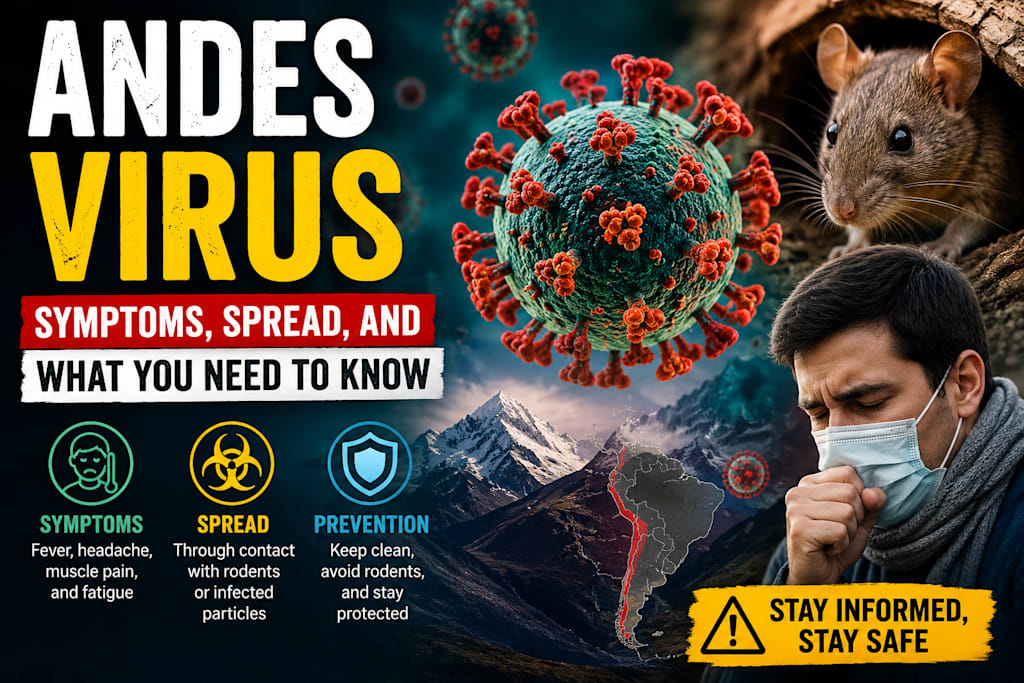
If you’ve recently seen the term “Andes Virus” trending online, you’re not alone. Searches for this topic have increased rapidly, leaving many people curious—and in some cases, worried. But what exactly is this virus, and should you be concerned? The Andes Virus is part of a group of viruses known as hantaviruses. These viruses are typically carried by rodents and can spread to humans under certain conditions. While the name may sound alarming, understanding how it works can help separate facts from unnecessary fear. 🦠 What Is Andes Virus? Andes Virus is primarily found in parts of South America, especially in countries like Chile and Argentina. It belongs to the hantavirus family, which is known to cause respiratory illnesses in humans. Unlike many viruses that spread easily through the air from person to person, Andes Virus is usually transmitted through contact with infected rodents. This can happen when someone breathes in dust particles contaminated with rodent urine, droppings, or saliva. In simple terms, the virus doesn’t just “float around” in the air randomly—it typically requires specific environmental exposure. ⚠️ Why Is Andes Virus Trending? There are a few reasons why this topic has suddenly gained attention: A spike in online searches and curiosity News reports or discussions highlighting rare cases Social media amplifying health-related concerns In today’s digital world, even a small number of cases can quickly turn into a trending topic. However, trending does not always mean widespread danger. 😷 Common Symptoms to Watch For The early symptoms of Andes Virus can look very similar to the flu, which sometimes makes it harder to recognize at first. These may include: Fever Headache Muscle aches Fatigue As the illness progresses in more serious cases, it can affect the lungs and lead to breathing difficulties. This severe stage is known as Hantavirus Pulmonary Syndrome (HPS). It’s important to note that not every case becomes severe, but when it does, medical attention is critical. 🔄 How Does It Spread? Most hantaviruses spread through rodents, and Andes Virus is no exception. The primary modes of transmission include: Inhaling contaminated dust particles Direct contact with rodent waste Touching surfaces contaminated by infected rodents One unique aspect of Andes Virus is that, in rare situations, it can spread from person to person. This is not common, but it is one reason the virus receives more attention compared to others in its category. 🌍 Is It a Global Threat? At this point, Andes Virus is not considered a global health threat. It remains limited to specific regions and does not spread easily across large populations. For most people living outside affected areas, the risk is extremely low. However, awareness is still valuable—especially for travelers or those living in regions where the virus has been reported. Understanding the difference between “awareness” and “panic” is important here. The goal is to stay informed, not alarmed. 🛡️ Simple Ways to Stay Safe Preventing exposure to Andes Virus mainly involves reducing contact with rodents and maintaining clean environments. Here are a few practical steps: Keep your surroundings clean and free from rodent infestations Avoid contact with wild rodents or their droppings Use protective gear (like masks) in dusty or enclosed spaces Store food properly to avoid attracting rodents These basic precautions can significantly reduce the risk of infection. 🧠 Reality vs Online Hype In the age of social media, information spreads quickly—but not always accurately. Health-related topics, especially those involving viruses, can easily become exaggerated. While Andes Virus is real and should be taken seriously in the right context, it is not something that poses an immediate threat to the global population. Most people will never encounter it in their daily lives. This is a good reminder to rely on trusted information and avoid jumping to conclusions based on viral posts or incomplete news. 📌 Final Thoughts The Andes Virus may sound concerning at first, especially when it appears in trending searches. However, when you look at the facts, it becomes clear that this is a region-specific virus with limited spread. Staying informed is always a smart choice, but fear without understanding can lead to unnecessary stress. In simple words: learn about it, take basic precautions, and focus on facts—not fear. Andes Virus, Andes Virus symptoms, what is Andes Virus, hantavirus explained, virus trends 2026, health awareness, new virus news
About the Creator
AngelFace
✨ “I share mysteries 🔍, stories 📖, and the wonders of the modern world 🌍 — all in a way that keeps you hooked!”
Enjoyed the story? Support the Creator.
Subscribe for free to receive all their stories in your feed.
Comments
There are no comments for this story
Be the first to respond and start the conversation.