
"An Overview of Pakistan's Ongoing Economic and Political Crisis"
"Exploring the Challenges faced and being faced by pakistan"

Pakistan is currently facing a significant economic crisis that has been building up over the past few years. The country's economy has been struggling with high inflation, low growth, a large trade deficit, and a rapidly depreciating currency.

One of the major drivers of the current economic crisis is the high level of external debt that Pakistan has accumulated over the years. As of March 2023, Pakistan's external debt is estimated to be around $123 billion, which is equivalent to around 36% of its GDP. This debt burden has been compounded by the country's large trade deficit, which stood at $31 billion in 2022.
In addition to these challenges, Pakistan's economy has also been struggling with high inflation, which has been eroding the purchasing power of consumers and putting a strain on businesses. In 2022, the inflation rate was around 10%, which was significantly higher than the government's target rate of 6% but as of march 2023 it is now around 40%.

Another factor contributing to the economic crisis is the country's energy crisis, which has been causing frequent power outages and affecting the productivity of businesses. Pakistan has been facing an energy shortfall of around 4,000 megawatts, which has been affecting industries such as textile manufacturing and agriculture.

The Pakistani rupee has also been facing significant depreciation in recent years, which has made imports more expensive and contributed to inflation. As of March 2023, the exchange rate is around 1 US dollar = 280+Pakistani rupees. This represents a significant decline from the exchange rate of around 105 Pakistani rupees to the US dollar in 2017.
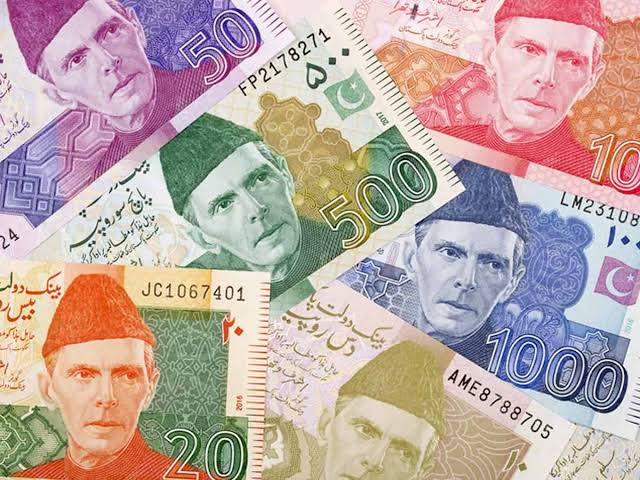
To address these challenges, the government of Pakistan has been implementing a range of economic reforms aimed at stabilizing the economy and reducing the country's debt burden. In 2022, the government reached an agreement with the International Monetary Fund (IMF) for a $6 billion bailout package, which is aimed at supporting the country's economic stabilization efforts.
The government has also been taking steps to increase revenue through tax reform and other measures. In 2022, the country's tax revenue increased by around 23%, reaching a record high of around $67 billion. The government has also been focusing on increasing exports and reducing the trade deficit, with a target to increase exports to $36 billion by 2025.
Despite these efforts, Pakistan's economy still faces several challenges. The country has a large informal economy that is difficult to tax, and corruption and tax evasion continue to be major issues. In addition, the energy crisis and infrastructure deficiencies remain significant obstacles to economic growth.
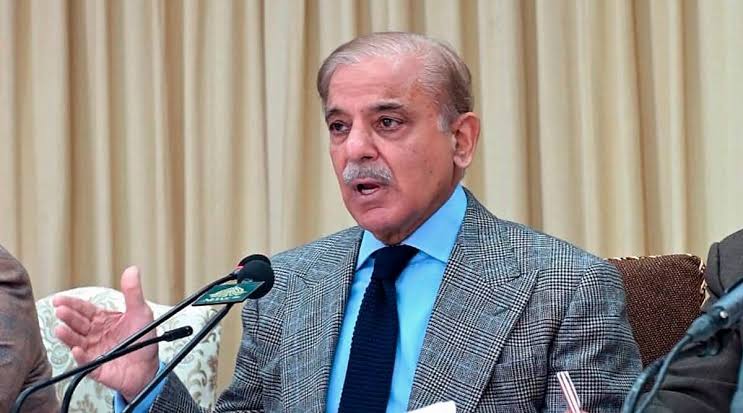
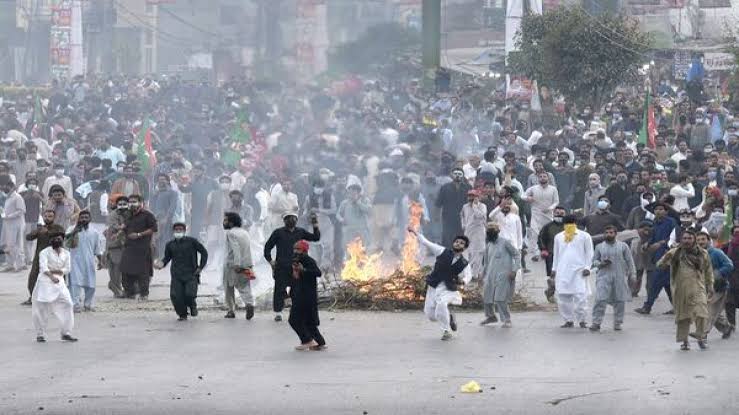
In addition to the economic challenges, Pakistan has also been facing a political crisis in recent years. The country has seen frequent changes in government, with several instances of military coups and instability in the democratic process.
The political instability has had a significant impact on the country's economy, with foreign investors often wary of investing in a country with such instability. The frequent changes in government have also contributed to a lack of continuity in economic policies, which has made it difficult for the country to implement effective long-term strategies to address its economic challenges.
Furthermore, the political crisis has also contributed to a lack of trust in government institutions and the judicial system, which has made it difficult for the government to implement necessary reforms to address the country's economic challenges. The lack of trust has also led to increased corruption, which has further eroded the country's finances.
To address the political crisis, the government has been taking steps to strengthen democratic institutions and reduce corruption. In 2022, the government launched a comprehensive anti-corruption campaign, which resulted in the arrest of several high-profile individuals, including politicians and bureaucrats.
In conclusion, Pakistan is facing a significant economic crisis that will require sustained efforts and reforms to address. The high levels of debt, trade deficit, inflation, and energy crisis are all contributing to the current economic challenges facing the country. However, with continued efforts to stabilize the economy and reduce the debt burden, Pakistan has the potential to emerge as a stronger and more resilient economy in the years to come.
About the Creator
Enjoyed the story? Support the Creator.
Subscribe for free to receive all their stories in your feed.
Comments
There are no comments for this story
Be the first to respond and start the conversation.