
Amphibians and Reptiles Care
A helpful guide on how to care for Reptiles and Amphibians
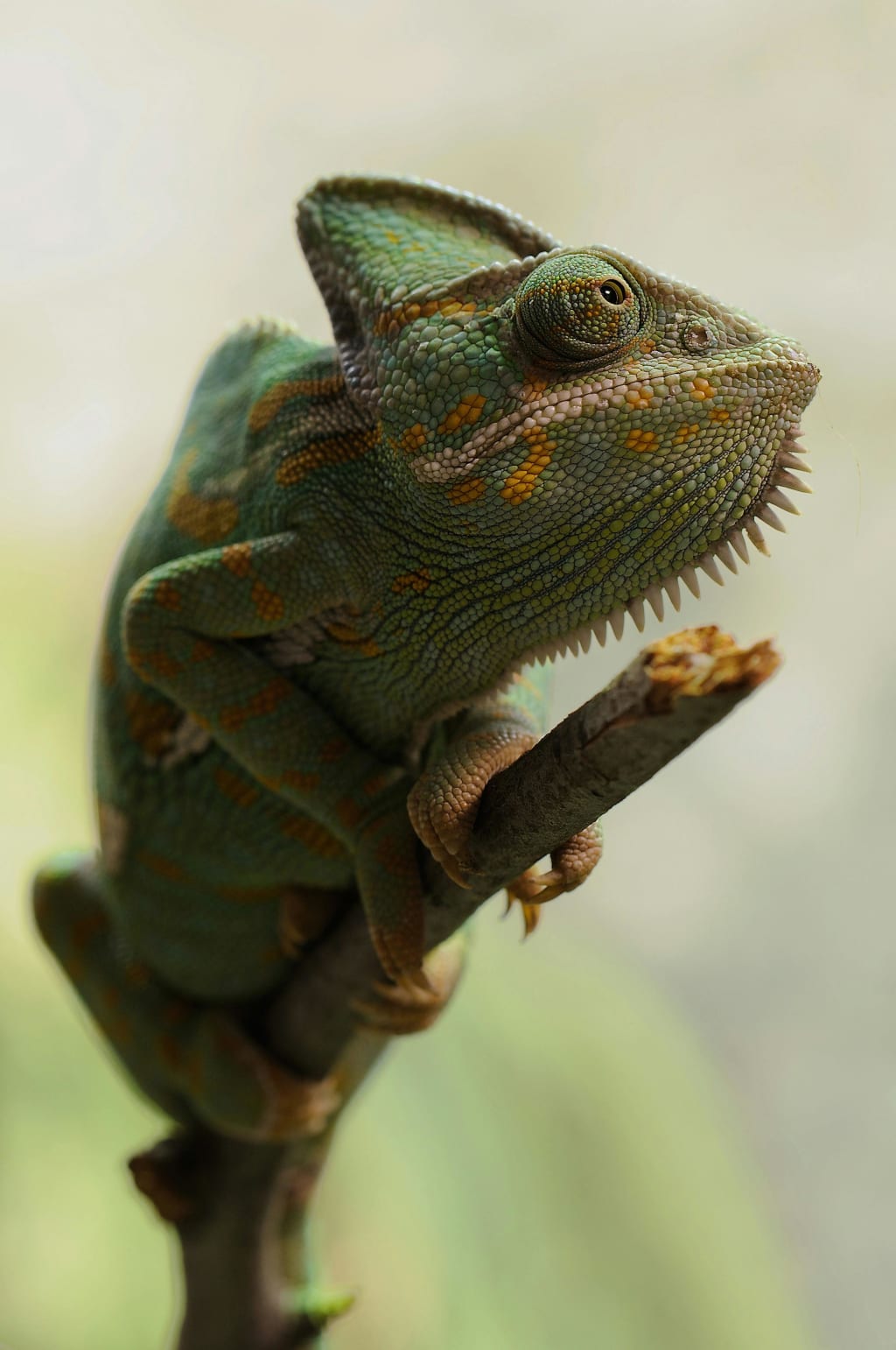
Amphibians and reptiles both are cold-blooded vertebrates. However, there are key differences between them. The root of the differences is that amphibians spend part of their lives in water, while reptiles evolved to live on dry land.
Reptiles and Amphibians are often considered to be low-maintenance pets. This is true in some respects—you’re not exactly taking your lizard for a walk or teaching your snake to sit, stay, and lie down. And you’re not getting up in the middle of the night to take your not-yet-potty-trained box turtle outside.
In reality, though, reptiles require different—not less—care.
It can be hard to learn about this specialized animal care in a kitty-and-puppy-obsessed world. But it’s important to educate yourself on all things herpetological (reptile-related) to provide your pet with the proper care and individualized husbandry they require.
Keep reading as we walk—or crawl, or slither—through the fundamentals of reptile care.
The Physical Environment
Housing conditions must provide appropriate temperature, moisture, and light regimes. In general, these include visible and ultraviolet light controlled on a daily and seasonal cycle, water for drinking or bathing, and high relative humidity. High rates of airflow are not usually required in animal rooms housing amphibians and reptiles. Limiting the number of air changes per hour greatly simplifies the task of maintaining high humidities.
Temperature.
The thermoregulatory requirements of amphibians and reptiles are different from those of birds and mammals and are more difficult to satisfy in captivity. As endotherms, birds and mammals have continuously high rates of metabolic heat production, and thermoregulation consists primarily of adjusting the insulating value of hair or feathers to equalize the rates of heat production and loss. Endotherms accomplish this regulation over a broad range of air temperatures. The radiative environments of the animal room and their cages normally have little significance.
Water.
A shallow container of water is appropriate for many amphibians and reptiles. However, some tropical species require daily spraying, and some desert reptiles never drink. Amphibians do not drink; terrestrial species absorb water through the skin and anurans have an area of skin in the pelvic region that is specialized for this function. Shallow water dishes, moist substrates, and spraying are appropriate for terrestrial amphibians. Chlorinated water should be avoided, especially for aquatic amphibians, and water bowls should be changed as often as practical because
Humidity and Air Flow.
Amphibians can often be kept in cages with lids to keep humidity high, but many reptiles require photothermal gradients. Putting a lid over a photothermal gradient quickly leads to lethal overheating of the animals inside. Instead, it is necessary to maintain high relative humidity in the entire animal room. To see what a reptile cage looks like, click here.
The Biological Environment
Most amphibians and reptiles are secretive. They live in close association with their structural microenvironments, and subtle cues--scent, texture, contact--are important aspects of their behaviour. Animals of this sort do not thrive in barren steel cages or plastic boxes filled with wood shavings; their husbandry requires housing that combines the animals' need for environmental cues with effective care and sanitation. Providing hiding places is of paramount importance for nearly all species.
The Physical Environment
Housing conditions must provide appropriate temperature, moisture, and light regimes. In general, these include visible and ultraviolet light controlled on a daily and seasonal cycle, water for drinking or bathing, and high relative humidity. High rates of airflow are not usually required in animal rooms housing amphibians and reptiles. Limiting the number of air changes per hour greatly simplifies the task of maintaining high humidities. In most cases, the key to successful care of amphibians and reptiles lies in providing a gradient of conditions within the cage that allows animals to select combinations of environmental factors needed.
Light.
Quality and quantity of light may both be important to amphibians and reptiles. An annual cycle of day length is usually critical, especially for breeding colonies. Windows or skylights that admit bright sunlight without overheating the room are ideal but are rarely included in animal rooms. Providing the proper amount and quality of ultraviolet light is probably the most difficult aspect of lighting. To see more, click here
Cage Furnishings.
Cage and aquarium props should complement the normal lifestyle of the animal. A varied cage environment may be necessary for normal behaviour It can be advantageous to be able to see an animal when it is in its retreat, and some situations may warrant the use of transparent shelters. Amphibians and reptiles often ingest bedding material with food, and cage substrates should be chosen with this possibility in mind. Several substrates commonly used for bird and mammal cages are harmful for amphibians and reptiles. Appropriate substrates keep the animal dry, such as newspaper, indoor-outdoor carpet, sand (only for species that normally live in sand), gravel (smooth particles that are fine enough to pass through the digestive tract), crushed oyster shells (especially good for tortoises, large lizards, and snakes), hardwood mulch and bark chips, and peat and sphagnum moss.
Food.
The type of food and the rate of feeding should, at a minimum, ensure normal growth or maintenance of weight. (The nutritional requirements of breeding animals may be different from those only being maintained.) The low metabolic rates and high conversion efficiencies of ectotherms mean that overfeeding of captive animals is more common than underfeeding. The food requirements of amphibians and reptiles vary widely; some species require nearly daily feeding, whereas others do best on three, two, or even one feeding per week.
Vitamins and Minerals.
The routine use of supplementary vitamins and calcium is often advised for amphibians and reptiles. Food items can be dusted with a vitamin-mineral mixture just before they are offered to the animals; uneaten items should be removed from the cage.
Live Food.
Many amphibians and reptiles respond to movement and will ignore even their favourite prey if it is motionless. Live food is required for these animals, and husbandry of amphibians and reptiles often requires maintaining colonies of insects as well.
Housing and Sanitation.
Housing conditions should inhibit the presence and spread of disease. However, sanitation protocols should not frequently disturb the animals. Thus, excessive cleaning or sterilization of cages can be deleterious to the well-being of the animals. The human nose is the most appropriate guide to cleanliness: No odour of waste products should be perceptible in the air of a room housing ectothermic animals. Application of this criterion is practical and effective because unsanitary conditions are readily detected when the number of changes of room air per hour is limited to maintain the high relative humidities amphibians and reptiles require.
About the Creator
Enjoyed the story? Support the Creator.
Subscribe for free to receive all their stories in your feed.
Comments
There are no comments for this story
Be the first to respond and start the conversation.