
AI vs. Human Jobs: The Impact of Technology on Our Future
Which Jobs will replace AI | which jobs have high risk
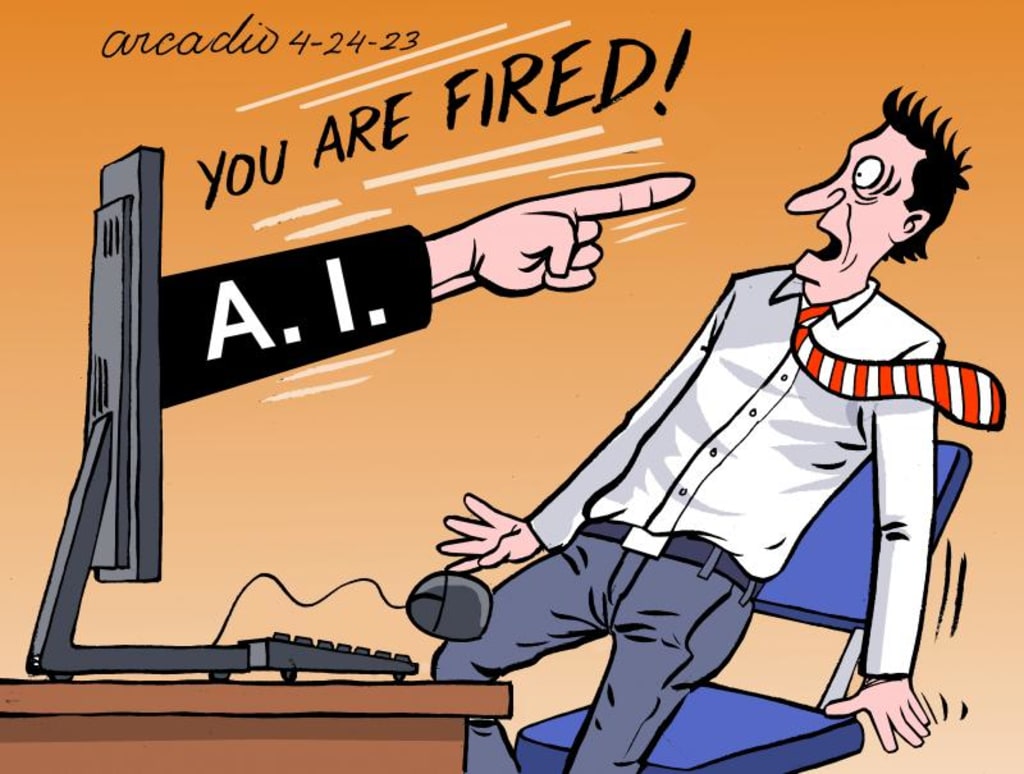
Technology has always been a driver of progress, shaping the way we live and work. From the industrial revolution to the digital age, each advancement has brought both opportunities and challenges. Now, artificial intelligence (AI) is at the forefront of this transformation, automating tasks, improving efficiency, and revolutionizing industries. However, this progress raises a critical question: **What does AI mean for human jobs?** While AI enhances productivity, it also threatens employment, creating a complex debate about its impact on the workforce.
The Negative Impact: AI’s Disruption of Jobs and Society
AI's rapid advancement is significantly altering the job market, particularly for roles that rely on repetitive tasks. Some of the major concerns include:
1. Job Displacement and Automation
A report by McKinsey Global Institute estimates that by 2030, AI could displace up to **30% of jobs globally**. Automation has already replaced jobs in **manufacturing, retail, and customer service**, leading to widespread unemployment in certain sectors. Self-checkout machines, AI-powered chatbots, and robotic process automation (RPA) are replacing roles that once required human workers.
2. Wage Suppression and Economic Inequality
As AI takes over low-skilled jobs, many workers are forced to accept lower wages in other sectors. According to a study by the **World Economic Forum**, industries heavily impacted by AI may experience wage stagnation, deepening economic inequality between skilled and unskilled workers.
3. The Loss of Human-Centered Professions
AI’s integration into healthcare, education, and creative industries is raising ethical concerns. While AI can analyze medical data faster than doctors, it lacks the **human empathy needed for patient care**. Similarly, AI-generated content is reshaping journalism and art, but it often lacks the depth and emotional intelligence of human-created works.
Which Jobs Are at Risk? AI’s Role in Workforce Displacement
AI is particularly disruptive in jobs that involve **predictable, rule-based, and repetitive tasks**. Some of the most vulnerable professions include:
High-Risk Jobs:
- Manufacturing & Factory Workers– Automated robots are increasingly replacing manual labor.
- Retail Cashiers & Sales Associates – Self-service kiosks and AI-driven shopping experiences reduce the need for human cashiers.
- Data Entry & Administrative Work – AI algorithms can process and analyze data more efficiently than humans.
- Basic Customer Support – Chatbots handle customer queries without human intervention.
- Truck & Delivery Drivers – Autonomous vehicles are being developed to replace human drivers.
Jobs That Human Skills (Less Likely to Be Replaced)
While some jobs are at risk, others remain relatively safe due to their reliance on creativity, emotional intelligence, and complex decision-making. These include:
- Healthcare Professionals – Doctors, nurses, and therapists rely on human interaction and empathy.
- Teachers & Educators – AI can assist in learning but cannot fully replace human teachers.
- Creative professions – Writers, artists, and musicians depend on original thought and emotional depth.
- Skilled Trades – Electricians, plumbers, and carpenters require hands-on expertise and adaptability.
The Positive Side: AI’s Contribution to Society and Innovation
Despite its challenges, AI offers numerous benefits that can lead to societal advancement and job creation:
1. Enhanced Productivity & Efficiency
AI reduces human error and speeds up processes, allowing businesses to become more efficient. For example, AI-driven analytics help companies make **data-backed decisions** in finance, marketing, and logistics.
2. Healthcare Advancements
AI-powered diagnostic tools can **detect diseases earlier** and suggest personalized treatment plans. **IBM’s Watson AI** has been used to identify cancerous cells faster than human doctors, improving patient outcomes.
3. New Job Opportunities
While AI replaces some jobs, it creates demand for new roles such as:
- AI ethics consultants
- Machine learning engineers
- Data scientists
- Cybersecurity specialists
These emerging careers require upskilling and adaptability, ensuring human workers remain relevant in an AI-driven world.
Final Thoughts: Preparing for an AI-Integrated Future
The rise of AI is inevitable, but its impact depends on how society adapts. Governments, businesses, and individuals must focus on **education, upskilling, and policies that ensure a fair job transition**. Investing in **STEM fields, critical thinking, and emotional intelligence** will help workers stay competitive in the evolving job market.
Rather than fearing AI, we should **embrace its potential while addressing its challenges**. By balancing innovation with ethical considerations, we can create a future where technology complements human abilities rather than replacing them.
The future of work is not about AI vs. humans—it’s about how we can work together to build a better world.
About the Creator
Enjoyed the story? Support the Creator.
Subscribe for free to receive all their stories in your feed.
Comments
There are no comments for this story
Be the first to respond and start the conversation.