
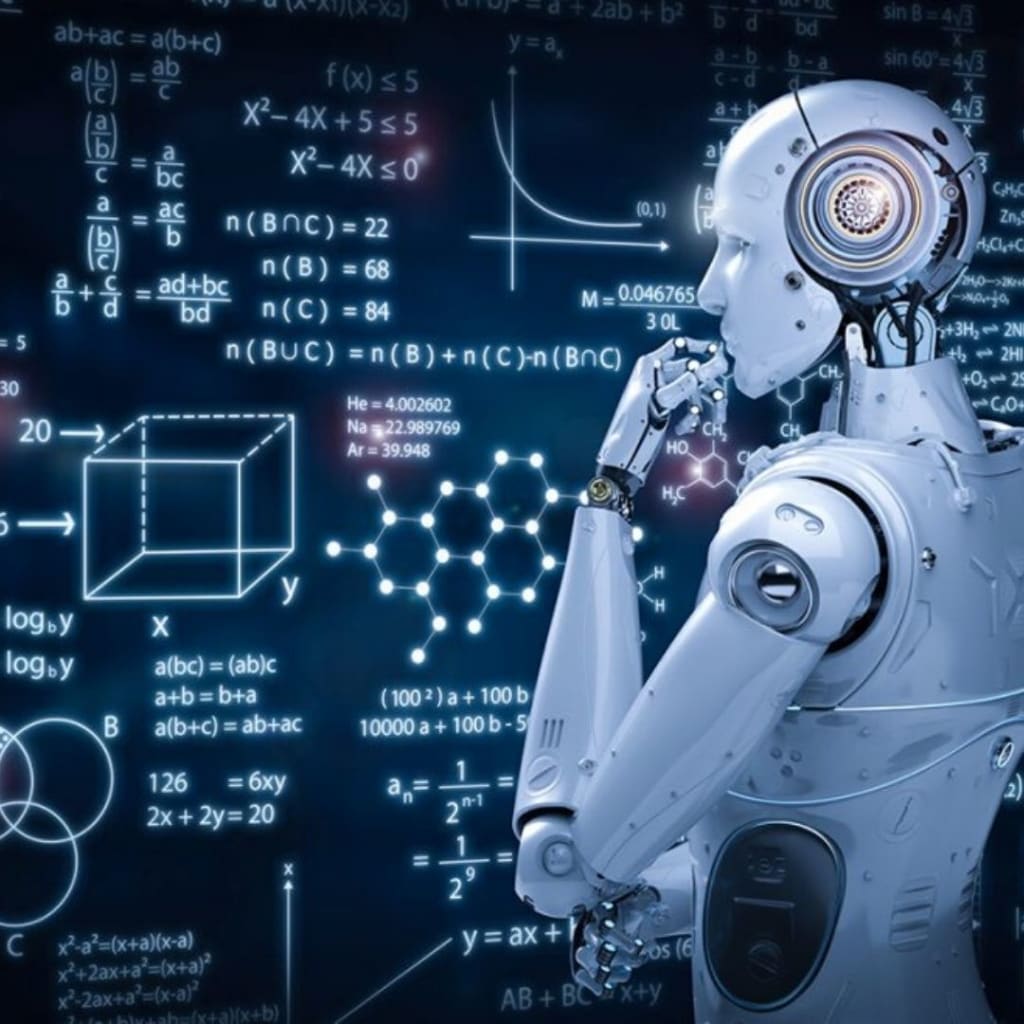
Field of artificial intelligence (AI) is a fascinating and rapidly expanding area of study. AI involves the creation of intelligent machines that are capable of learning and making decisions on their own. There are numerous subfields within AI that one can explore, including machine learning, robotics, natural language processing, computer vision, and cognitive computing. Machine learning is a subfield of AI that involves teaching machines to learn from data, without the need for explicit programming. This field is used in a wide range of applications, such as image recognition, speech recognition, and natural language processing. One of the key advantages of machine learning is that it can help machines learn from large datasets, allowing them to identify patterns and make predictions that would be difficult or impossible for humans to do manually. One of the most exciting areas of machine learning is deep learning, which involves creating artificial neural networks that can learn from large amounts of data. These networks are modeled after the structure of the human brain, and are capable of processing vast amounts of information in parallel. This has led to breakthroughs in a wide range of fields, from speech recognition to computer vision. Robotics is another subfield of AI that is focused on creating machines that can interact with the physical world. This includes everything from autonomous vehicles to industrial robots to humanoid robots. One of the key challenges in robotics is creating machines that are capable of operating in complex and dynamic environments, such as factories or construction sites. This requires not only advanced hardware, but also sophisticated software that can help the robot navigate and make decisions in real time. Natural language processing is a subfield of AI that is focused on teaching machines to understand and respond to human language. This is a particularly challenging area of AI, as human language is complex and often ambiguous. However, recent advances in natural language processing have led to the development of chatbots, virtual assistants, and other tools that can interact with humans in natural language. One of the key challenges in natural language processing is teaching machines to understand the nuances of human language, such as sarcasm and irony. Computer vision is another subfield of AI that is focused on teaching machines to interpret and understand visual data, such as images and videos. This is a particularly important area of AI, as visual data is becoming increasingly important in a wide range of fields, from medicine to self-driving cars. One of the key challenges in computer vision is teaching machines to recognize objects and patterns in images, even when they are partially obscured or distorted.
As AI technology continues to advance, it will undoubtedly change our relationships with knowledge, politics, and the societies in which we live. Here are some ways that AI could impact these areas:
1. Knowledge: AI has the potential to revolutionize the way we learn and access information. AI-powered virtual assistants and chatbots can provide personalized learning experiences, answering questions and providing feedback to help us learn more effectively. AI can also be used to analyze large amounts of data, making it easier to identify patterns and trends that might not be visible to the human eye. This could lead to new discoveries and breakthroughs in fields like medicine, science, and engineering.
2. Politics: AI could have a significant impact on politics, both in terms of how campaigns are run and how governments operate. AI-powered algorithms could be used to analyze voter data, helping campaigns to target their messages more effectively. AI could also be used to monitor social media and other online platforms for disinformation and propaganda, helping to prevent interference in elections. Additionally, AI could be used to analyze government data and identify areas where improvements could be made, leading to more efficient and effective governance.
3. Societies: AI could have a profound impact on the societies in which we live. On the positive side, AI could be used to address some of the world's most pressing problems, such as poverty, hunger, and climate change. For example, AI-powered sensors could be used to monitor crop growth and soil quality, helping farmers to produce more food with fewer resources. AI could also be used to analyze data from weather patterns and other environmental factors, helping to predict natural disasters and mitigate their impact.
However, there are also concerns about the negative impact that AI could have on society. For example, some experts worry that AI could lead to widespread job loss, as machines and algorithms replace human workers. Additionally, there are concerns about the potential for AI to be used for malicious purposes, such as cyber attacks or surveillance.
Overall, AI has the potential to be a powerful tool for positive change, but it will be important to carefully consider the potential risks and benefits as we continue to develop and implement this technology.
"Discover the fascinating world of artificial intelligence and the incredible ways it's changing our lives in this thought-provoking and insightful book."
1- The Age of AI: And Our Human Future.
https://amzn.to/43ocbd
2- Ai Superpowers: China, Silicon Valley, and the New World Order.
https://amzn.to/46JjkYX
About the Creator
Enjoyed the story? Support the Creator.
Subscribe for free to receive all their stories in your feed.
Comments
There are no comments for this story
Be the first to respond and start the conversation.