
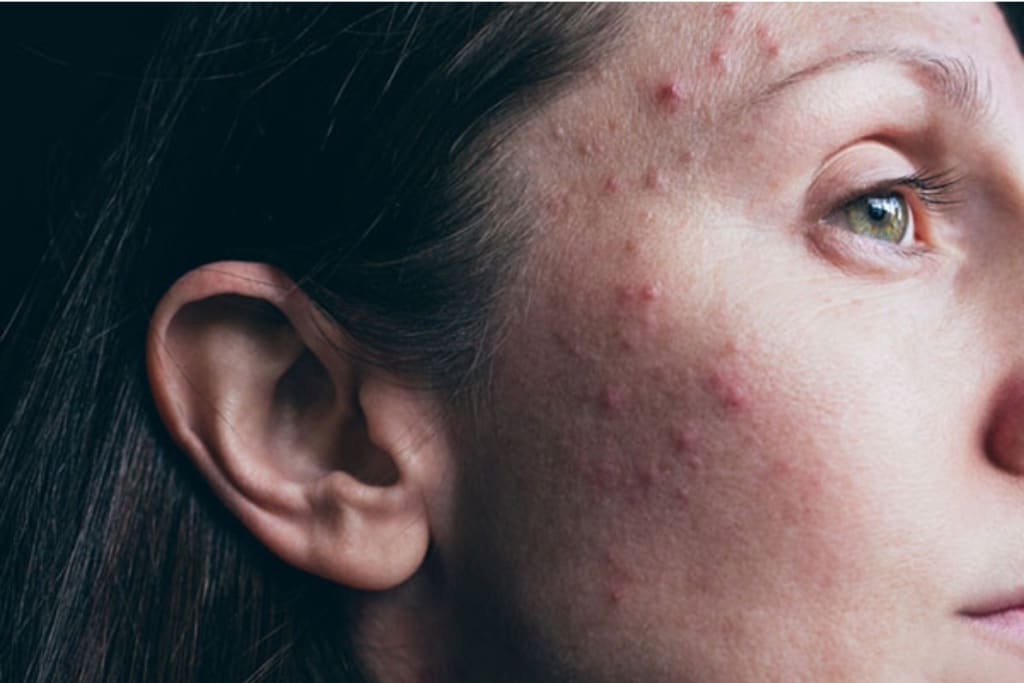
Acne
Acne is a very common skin condition that causes pimples. You’ll usually get pimples on your face. Clogged pores cause acne. Teenagers and young adults most often get acne, but it can also occur during adulthood for many people. Treatment is available to clear acne from your skin and prevent scarring.
- What is acne?
Acne is a common skin condition where the pores of your skin clog. Pore blockages produce blackheads, whiteheads and other types of pimples. Pimples are pus-filled, sometimes painful, bumps on your skin.
The medical term for acne is acne vulgaris.
- What are the types of acne?
There are several types of acne, including:
Fungal acne (pityrosporum folliculitis): Fungal acne occurs when yeast builds up in your hair follicles. These can be itchy and inflamed.
Cystic acne: Cystic acne causes deep, pus-filled pimples and nodules. These can cause scars.
Hormonal acne: Hormonal acne affects adults who have an overproduction of sebum that clogs their pores.
Nodular acne: Nodular acne is a severe form of acne that causes pimples on the surface of your skin, and tender, nodular lumps under your skin.
All of these forms of acne can affect your self-esteem, and both cystic and nodular acne can lead to permanent skin damage in the form of scarring. It’s best to seek help from a healthcare provider early so they can determine the best treatment option(s) for you.
- How common is acne?
If you have acne, know that you’re not alone. Acne is the most common skin condition that people experience. An estimated 80% of people ages 11 to 30 will have at least a mild form of acne.
- Who does acne affect?
Acne usually affects everyone at some point in their lifetime. It’s most common among teenagers and young adults undergoing hormonal changes, but acne can also occur during adulthood. Adult acne is more common among women and people assigned female at birth (AFAB). You may be more at risk of developing acne if you have a family history of acne (genetics).
- What are the symptoms of acne?
Symptoms of acne on your skin include:
Pimples (pustules): Pus-filled bumps (papules).
Papules: Small, discolored bumps, often red to purple or darker than your natural skin tone.
Blackheads: Plugged pores with a black top.
Whiteheads: Plugged pores with a white top.
Nodules: Large lumps under your skin that are painful.
Cysts: Painful fluid-filled (pus) lumps under your skin.
Acne can be mild and cause a few occasional pimples or it can be moderate and cause inflammatory papules. Severe acne causes nodules and cysts.
- What causes acne?
Clogged hair follicles or pores cause acne. Your hair follicles are small tubes that hold a strand of your hair. There are several glands that empty into your hair follicles. When too much material is inside your hair follicle, a clog occurs. Your pores can clog with:
Sebum: An oily substance that provides a protective barrier for your skin.
Bacteria: Small amounts of bacteria naturally live on your skin. If you have too much bacteria, it can clog your pores.
Dead skin cells: Your skin cells shed often to make room for more cells to grow. When your skin releases dead skin cells, they can get stuck in your hair follicles.
When your pores clog, substances plug up your hair follicle, creating a pimple. This triggers inflammation, which you feel as pain and swelling. You can also see inflammation through skin discoloration like redness around a pimple.
- Triggers of acne
Certain things in your environment contribute to acne or they can make an acne breakout worse, including:
Wearing tight-fitting clothing and headgear, like hats and sports helmets.
Air pollution and certain weather conditions, especially high humidity.
Using oily or greasy personal care products, like heavy lotions and creams, or working in an area where you routinely come in contact with grease, such as working at a restaurant with frying oil.
Stress, which increases the hormone cortisol.
A side effect of a medication.
Picking at your acne.
- Foods that cause acne
Some studies link particular foods and diets to acne, like:
- Skim milk.
- Whey protein.
- Diets high in sugar.
While high-sugar diets may lead to acne outbreaks, chocolate isn’t directly linked to acne.
To reduce your risk of acne, choose to eat a balanced, nutritious diet with plenty of fresh fruits and vegetables, especially those rich in vitamin C and beta-carotene, which helps reduce inflammation.
- How is acne diagnosed?
A healthcare provider can diagnose acne during a skin exam. During this exam, the provider will closely look at your skin to learn more about your symptoms. In addition, they may also ask about risk factors for acne, like:
Are you feeling stressed?
Do you have a family history of acne?
If a woman or person AFAB, do you notice breakouts during your menstrual cycle?
What medications do you currently take?
Your healthcare provider won’t need to run any diagnostic tests for acne, but they may offer tests to diagnose any underlying conditions if you have sudden, severe acne outbreaks, especially if you’re an adult.
- Who treats acne?
A general healthcare provider or a dermatologist can diagnose and treat acne. If you have stubborn acne that doesn’t improve with treatment, a dermatologist can help.
- How is acne treated?
There are several ways to treat acne. Each type of treatment varies based on your age, the type of acne you have and the severity. A healthcare provider might recommend taking oral medications, using topical medications or using medicated therapies to treat your skin. The goal of acne treatment is to stop new pimples from forming and to heal the existing blemishes on your skin.
Topical acne medications:
Your healthcare provider may recommend using a topical acne medication to treat your skin. You can rub these medications directly onto your skin as you would a lotion or a moisturizer. These could include products that contain one of the following ingredients:
Benzoyl peroxide: This is available as an over-the-counter product (such as Clearasil®, Stridex® and PanOxyl®) as a leave-on gel or wash. It targets surface bacteria, which often aggravates acne. Lower concentrations and wash formulations are less irritating to your skin.
Salicylic acid: This is available over the counter for acne as a cleanser or lotion. It helps remove the top layer of damaged skin. Salicylic acid dissolves dead skin cells to prevent your hair follicles from clogging.
Azelaic acid: This is a natural acid found in various grains such as barley, wheat and rye. It kills microorganisms on the skin and reduces swelling.
Retinoids (vitamin A derivatives): Retinol, such as Retin-A®, Tazorac® and Differin®, which is available without a prescription, breaks up blackheads and whiteheads and helps prevent clogged pores, the first signs of acne. Most people are candidates for retinoid therapy. These medications aren’t spot treatments and must be used on the entire area of skin affected by acne to prevent the formation of new pimples. You often need to use these for several months before noticing positive results.
Antibiotics: Topical antibiotics like clindamycin and erythromycin control surface bacteria that aggravate and cause acne. Antibiotics are more effective when combined with benzoyl peroxide.
Dapsone: Dapsone (Aczone®) is a topical gel, which also has antibacterial properties. It treats inflamed acne.
- How do antibiotics treat acne?
- Antibiotics are medications that target bacteria. Some used to treat acne also can decrease inflammation. Bacteria can clog your pores and cause acne. Antibiotics are responsible for:
Blocking bacteria from entering your body.
Destroying bacteria.
Preventing bacteria from multiplying.
A healthcare provider will recommend antibiotics if you have acne caused by bacteria or if you have an infection. Antibiotics get rid of an infection if bacteria gets into a popped pimple, which can swell and become painful. This medication isn’t a cure for acne and you shouldn’t take it long-term to treat acne.
- How can I make my acne go away at home?
If you have acne, you can start an at-home skin care routine to help your acne go away by:
Washing your skin at least once daily with warm (not hot) water and a gentle cleanser. Cleansers are over-the-counter skin care products that help clean your skin.
Washing your skin after you exercise or sweat.
Avoid using skin care products with alcohol, astringents, toners and exfoliants, which can irritate your skin.
Removing your makeup at the end of the day or before you go to bed.
Choosing an oil-free moisturizer to apply on your skin after cleansing.
Avoid popping, picking or squeezing your acne. Let your skin heal naturally to prevent scars from forming on your skin.
If your at-home skin care routine isn’t effective at treating acne, visit a healthcare provider.
- How long does it take for acne to go away?
On average, it can take between one to two weeks for acne pimples to clear up on their own. With medicated treatment and a good skin care routine, you can speed up your body’s healing time to make acne go away faster. For severe acne, it can take several weeks for your acne to go away, even with treatment.
Gratitude
I sincerely hope this reaches my readers taste and i am so grateful for you taking your time in reading this.
About the Creator
Enjoyed the story? Support the Creator.
Subscribe for free to receive all their stories in your feed.
Comments
There are no comments for this story
Be the first to respond and start the conversation.