
A New Era of Media: How Crypto is Transforming the News Landscape
Read the article to help change your life
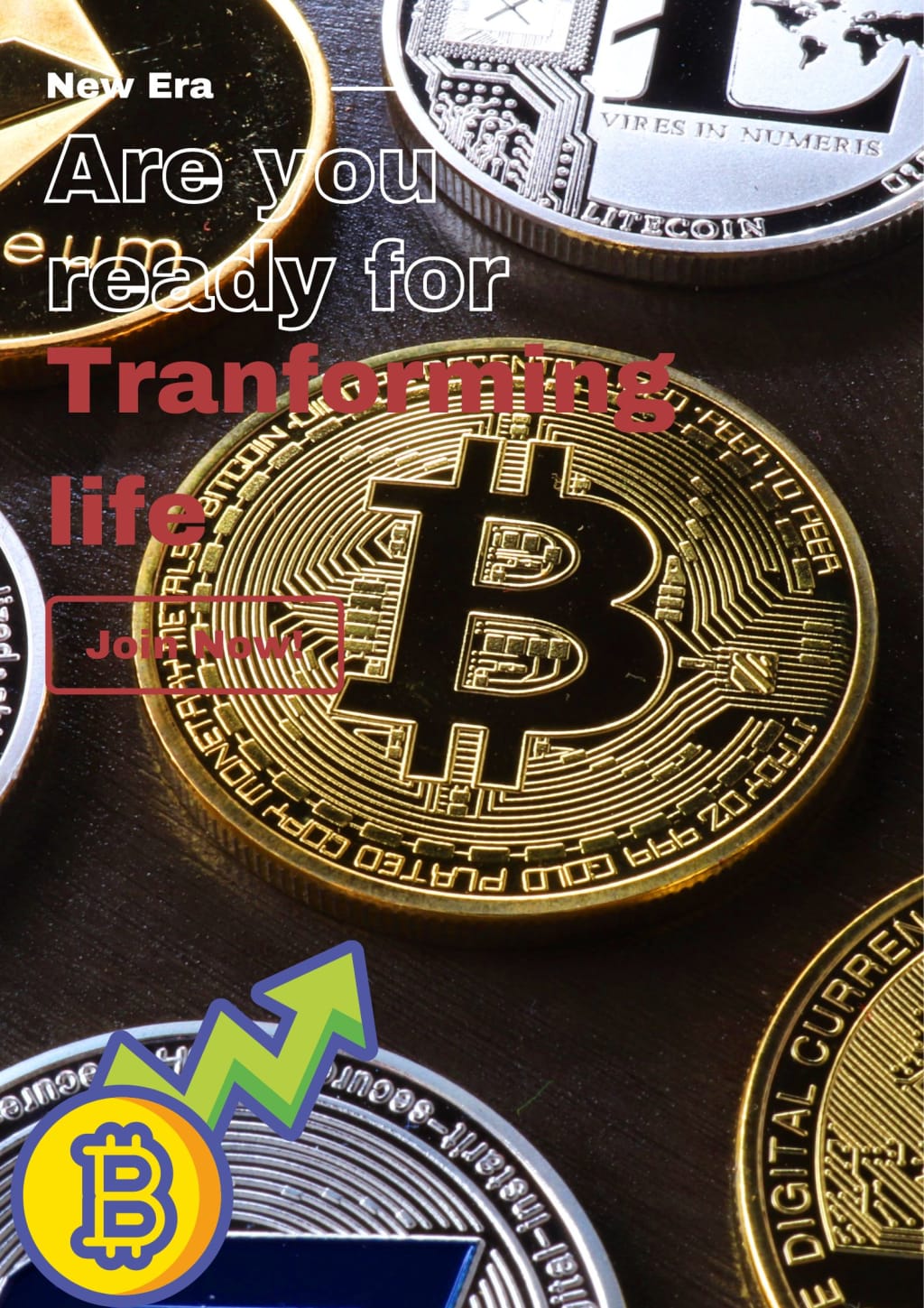
The traditional news landscape is undergoing a dramatic transformation. For years, the power to control the flow of information and influence public opinion has been held by a select few media conglomerates. However, with the emergence of cryptocurrency technology, a new era of media is on the horizon. Crypto Quantum Leap Digital Media is paving the way for a more democratic, decentralized, and transparent approach to news consumption. Through its innovative platform, users have unprecedented access to a wide array of news sources and perspectives. In this blog post, we will explore how Crypto is revolutionizing the news landscape and what the future holds.
to grasp the oppertunity click here
The Problem with Traditional Media
The traditional media landscape is broken. It’s becoming increasingly difficult for everyday people to trust the news they receive from traditional sources. The news is often biased and sensationalized in order to appeal to particular audiences and attract advertisers. This leads to a lack of objectivity and accuracy that puts people at a disadvantage.
Moreover, the traditional media model is highly centralized and lacks transparency. Most major outlets are owned by a few large conglomerates, which can lead to a homogenized news cycle. Without any competition, these companies can become powerful gatekeepers of information, making it even more difficult for citizens to make informed decisions.
In addition, traditional media organizations are often slow to adapt to emerging trends and technologies. Despite the rise of social media, they’ve been unable to keep up with the speed and agility of the platforms that their audiences are increasingly turning to for news.
It’s clear that the current media model is not sustainable. Fortunately, there is a solution: the power of blockchain and crypto-based solutions.
The Power of Blockchain
In recent years, blockchain technology has revolutionized the way people think about information. By providing a secure and reliable way to store data, blockchain has made it possible to create immutable records that can never be altered or deleted. This technology can provide an unprecedented level of security, trust and transparency in any kind of transaction, especially when it comes to digital media.
In the news industry, blockchain technology has the potential to completely disrupt the traditional model of reporting. By utilizing smart contracts, news organizations can create an immutable record of the facts and opinions they publish, preventing anyone from tampering with their content. Furthermore, blockchain-enabled digital currencies allow users to pay for content quickly and securely without having to deal with complex payment systems.
Moreover, blockchain technology has opened up new opportunities for monetizing digital media content. Through blockchain-based platforms such as Steemit and Brave, content creators can earn cryptocurrency rewards for creating quality articles and videos. These rewards can then be used to pay for other goods and services or even converted into cash.
Finally, the distributed nature of blockchain technology means that news organizations have more control over their content and data than ever before. This enables them to better protect their intellectual property rights and ensure that only authorized users can access their content.
Overall, the power of blockchain is transforming the media landscape in remarkable ways. From providing an immutable record of facts and opinions to offering new revenue streams for content creators, blockchain technology is ushering in a new era of digital media that is secure, transparent and highly lucrative.
The Promise of Crypto
Cryptocurrency and blockchain technology have the potential to revolutionize the media landscape. In many ways, crypto is the perfect tool for delivering news and information. It provides a platform for freedom of expression, allowing people to communicate openly without the fear of censorship or retribution. Moreover, the decentralized nature of crypto means that it is open to anyone and can be used by anyone. This means that people from all over the world can access and share news without relying on centralized institutions or governments.
Crypto also offers an unprecedented level of security and transparency when it comes to transactions and data storage. Cryptocurrency transactions are recorded on a distributed ledger, making them completely immutable and traceable. This allows for a high degree of trust between participants and ensures that no one is able to tamper with the records or manipulate the system. Similarly, data stored on a blockchain is highly secure due to its distributed nature, as it is impossible for any single entity to gain control over the system.
Lastly, crypto offers a new way to monetize content. With traditional media, readers had to pay for access to content either through subscription fees or advertising. But with crypto, creators can create tokenized content which is protected from manipulation and can be sold directly to readers or fans in exchange for cryptocurrency. This allows creators to gain more control over their work, and enables them to set their own prices for their content.
Cryptocurrency and blockchain technology have immense potential to revolutionize the media industry, providing people with access to reliable, secure and trusted news sources. With the increased usage of crypto, people are able to enjoy greater freedom of expression and access news from around the world. In addition, crypto also provides a new way for creators to monetize their work, allowing them to gain more control over their creations. Ultimately, crypto is transforming the media landscape, ushering in a new era of trust and openness.
The Future of Media
Crypto and blockchain technology is revolutionizing the media landscape and opening up a whole new world of opportunities. We are already beginning to see crypto-based media networks that are powered by decentralized, open-source protocols, which could bring about greater transparency and censorship resistance. This could mean a shift away from central authorities that control the news, and more direct interaction between creators and consumers.
At the same time, new applications of blockchain technology are being developed that could facilitate new forms of media sharing, advertising, and monetization. Platforms like Steemit, for example, are making it possible for users to get rewarded for their content. This could provide an alternative to traditional media networks, which often rely on user subscriptions or advertisement revenue to remain profitable.
The combination of blockchain-based technologies with artificial intelligence and machine learning is also poised to disrupt traditional media models. Automated news services are already being developed that utilize blockchain networks to curate and deliver personalized news stories based on user preferences. This could lead to more engaging news experiences and faster delivery times than ever before.
Overall, it is clear that the future of media is being transformed by the emergence of crypto-based networks. These networks are providing new opportunities for content creators and consumers alike, while also introducing new forms of monetization and transparency that are changing the game in the media industry. It’s an exciting time to be involved in the news landscape, and there’s no telling where these technologies will take us next.
Click here to grasp the golden oppertuinity to tarnsform the life
About the Creator
Enjoyed the story? Support the Creator.
Subscribe for free to receive all their stories in your feed.
Comments
There are no comments for this story
Be the first to respond and start the conversation.