
A New Era in Rehabilitation: The Power of Telerehab Services
Introduction
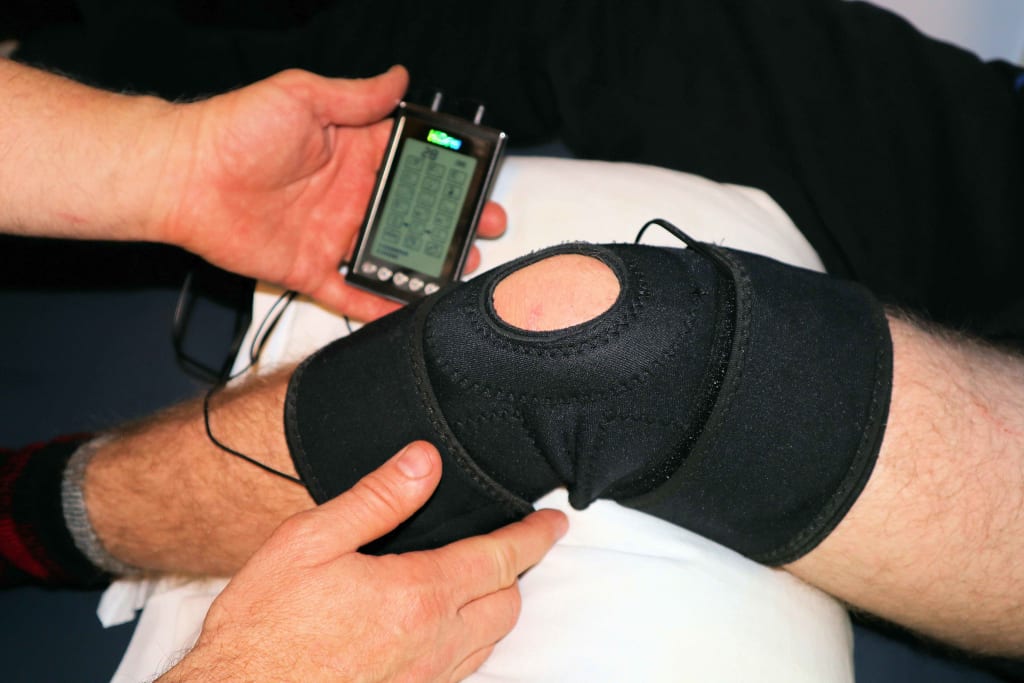
Welcome to a new era in rehabilitation! Say goodbye to the traditional brick-and-mortar clinics and hello to the future of healthcare: Telerehabilitation. In this digital age, technology has given us incredible opportunities to transform the way we receive medical care, and physical therapy is no exception. With Telerehab physical services, you can now access high-quality treatment right from the comfort of your own home or office. So sit back, relax, and prepare to discover the power of Telerehabilitation!
What is Telerehabilitation?
Telerehabilitation, also known as tele-rehab or virtual rehabilitation, is a cutting-edge approach to delivering rehabilitation services remotely. It harnesses the power of technology to connect patients and therapists in a virtual setting, eliminating the need for face-to-face visits.
Through telerehabilitation, individuals can receive therapy sessions from the comfort of their own homes or any location with an internet connection. This innovative method utilizes video conferencing tools, wearable devices, and digital platforms to facilitate communication between patients and therapists.
One of the key benefits of telerehabilitation is its convenience. It eliminates barriers such as travel time and distance that often hinder access to traditional in-person rehab services. Patients no longer have to worry about transportation issues or scheduling conflicts; they can simply log on at their scheduled appointment time and begin their session.
Moreover, telerehabilitation offers greater flexibility for both patients and therapists. Sessions can be tailored to fit into busy schedules without compromising on quality care. Patients have the freedom to choose when and where they want to engage in their rehabilitative exercises under professional guidance.
In addition to convenience, telerehabilitation has proven effective in improving patient outcomes. Research studies have shown positive results across various conditions including orthopedic injuries, neurological disorders like stroke or Parkinson's disease, cardiac rehabilitation post-heart attack, or surgery recovery.
Tele-rehab allows for real-time monitoring of progress through wearable devices that track movement patterns and vital data during exercise routines. Therapists can provide timely feedback based on this information which helps optimize treatment plans accordingly.
As healthcare continues to evolve alongside technological advancements it is clear that tele-rehab will play an increasingly critical role in shaping the future of rehabilitation services. The accessibility it provides coupled with its demonstrated efficacy make it a game-changer for individuals seeking physical therapy assistance.
The Benefits of Telerehabilitation
Telerehabilitation is revolutionizing the way we approach rehabilitation services, offering numerous benefits that make it an attractive option for both patients and providers. One of the key advantages of telerehabilitation is its convenience. Patients no longer need to travel long distances or rearrange their schedules to attend in-person therapy sessions. Instead, they can receive expert care from the comfort of their own homes.
Another major benefit is increased access to care. Telerehabilitation eliminates geographical barriers and allows individuals in remote areas or underserved communities to connect with highly skilled therapists who may not be available locally.
Furthermore, telerehabilitation promotes cost savings for both patients and healthcare systems. Without the need for transportation or facility fees, patients can save on expenses associated with traditional rehab visits. Additionally, healthcare systems can reduce costs by optimizing resources and maximizing therapist efficiency.
Moreover, telerehab provides a safe environment for vulnerable populations such as those with compromised immune systems or mobility limitations who may be at higher risk during in-person visits.
Telecommunication technology enables real-time monitoring and feedback from therapists during exercises, ensuring proper form and technique while reducing the risk of injury.
In conclusion,
telerehabilitation offers a multitude of benefits including convenience, increased access to care, cost savings, enhanced safety measures, and real-time feedback capabilities. As this innovative approach continues to evolve and expand,
it has the potential to transform rehabilitation services across various medical disciplines.
How Does Telerehabilitation Work?
Telerehabilitation is revolutionizing the way rehabilitation services are delivered, allowing patients to receive care from the comfort of their own homes. But how exactly does telerehabilitation work?
It relies on modern technology such as video conferencing platforms and specialized software. Through a secure online connection, patients can connect with their rehab provider in real time. This allows for face-to-face interactions and personalized treatment plans, just like an in-person visit.
During a telerehab session, the therapist guides the patient through exercises and provides instructions for proper form and technique. They may also use tools such as virtual reality or wearable devices to monitor progress remotely. The therapist can observe the patient's movements, assess their range of motion, and offer feedback accordingly.
One of the advantages of telerehabilitation is its flexibility. Patients have more control over scheduling sessions that fit into their busy lives. It eliminates travel time and costs associated with going to a physical therapy clinic.
Moreover, telerehabilitation enables therapists to reach individuals who may live in remote areas or have limited access to traditional rehab facilities due to disability or transportation challenges.
Telerehabilitation offers convenience without compromising the quality of care. It brings expert guidance right into your home while promoting independence in managing your rehabilitation journey.
What Conditions Can Telerehabilitation Treat?
Telerehabilitation is a powerful tool that can be used to treat a wide range of conditions, providing patients with access to quality care from the comfort of their own homes. This innovative approach to rehabilitation has revolutionized the way physical therapy is delivered, making it more convenient and accessible than ever before.
One of the key benefits of telerehabilitation is its ability to effectively treat musculoskeletal conditions. Whether you're recovering from surgery, dealing with chronic pain, or rehabilitating an injury, telerehab services can help guide you through targeted exercises and therapies to promote healing and improve function.
Additionally, telerehabilitation has proven effective in treating neurological conditions such as stroke or traumatic brain injury. Through teleconferencing platforms and specialized software, therapists can assess your movement patterns and provide tailored treatment plans to address specific deficits.
Even individuals with respiratory disorders like COPD or asthma can benefit from telerehab services. Therapists can guide patients through breathing exercises and techniques that improve lung function and reduce symptoms.
Furthermore, telerehabilitation has shown promise in treating mental health conditions such as anxiety and depression by incorporating cognitive behavioral therapy techniques into virtual sessions.
Thanks to advancements in technology and the dedication of healthcare professionals, there are virtually no limits on what conditions can be treated through telerehabilitation. From orthopedic injuries to neurological disorders to mental health concerns - the possibilities are endless!
So if you're seeking physical therapy for any condition mentioned above- whether it's post-surgical recovery or assistance managing a chronic illness - consider exploring the world of telerehabilitation. With its convenience, personalized care plans tailored specifically for your needs are right at your fingertips!
How to Find a Telerehab Provider?
When it comes to finding a telerehab provider, there are a few key factors to consider. First and foremost, you'll want to make sure that the provider is licensed and qualified in your specific area of need. This ensures that they have the necessary knowledge and expertise to provide effective rehabilitation services.
One way to find a reputable telerehab provider is by asking for recommendations from your primary care physician or other healthcare professionals. They may be able to refer you to providers who have proven track records in delivering high-quality telehealth services.
Additionally, conducting online research can also help you identify potential telerehab providers. Look for reviews and testimonials from previous clients to get an idea of their level of satisfaction with the service provided.
Another important consideration is whether the telerehab provider accepts your insurance coverage. Contacting your insurance company directly or visiting their website can give you information on which providers are in-network and covered under your plan.
Don't hesitate to reach out directly to potential telerehab providers. Many offer free consultations where you can ask questions about their experience, treatment methods, and availability.
Remember that finding the right telerehab provider may take some time and effort but do so will ensure that you receive quality care tailored specifically to your needs without leaving the comfort of your own home
Conclusion
Telerehabilitation has emerged as a game-changer in the field of rehabilitation services. It offers convenience, accessibility, and effective treatment options for individuals who may have limited mobility or live in remote areas. With the advancements in technology and the increasing demand for virtual healthcare solutions, telerehabilitation is poised to revolutionize the way we approach physical therapy.
By leveraging video conferencing tools, wearable devices, and online platforms, telerehabilitation allows patients to receive personalized care from the comfort of their own homes. This not only eliminates travel time and expenses but also provides flexibility in scheduling appointments. Whether it's a follow-up session after surgery or ongoing management of chronic conditions, telerehabilitation brings expert care directly to your doorstep.
The benefits of telerehabilitation extend beyond convenience. Studies have shown that patients who undergo teletherapy experience similar outcomes compared to those receiving traditional in-person therapy sessions. The ability to monitor progress remotely enables therapists to adjust treatment plans accordingly and provide timely interventions when needed.
Telerehabilitation can effectively treat various conditions such as musculoskeletal injuries, neurological disorders, post-stroke recovery, balance issues, and more. It empowers individuals with disabilities or limitations by offering customized exercises and therapies tailored to their specific needs.
Finding a reputable telerehab provider is crucial for ensuring high-quality care. Look for licensed physical therapists or rehabilitation specialists who have experience in delivering telehealth services. Check their credentials, reviews from previous clients, and ensure they comply with all necessary regulations.
About the Creator
Enjoyed the story? Support the Creator.
Subscribe for free to receive all their stories in your feed.
Comments
There are no comments for this story
Be the first to respond and start the conversation.