
A Guide to Find a React Developer with UI/UX Skills
Finding a React Developer with UI/UX Skills
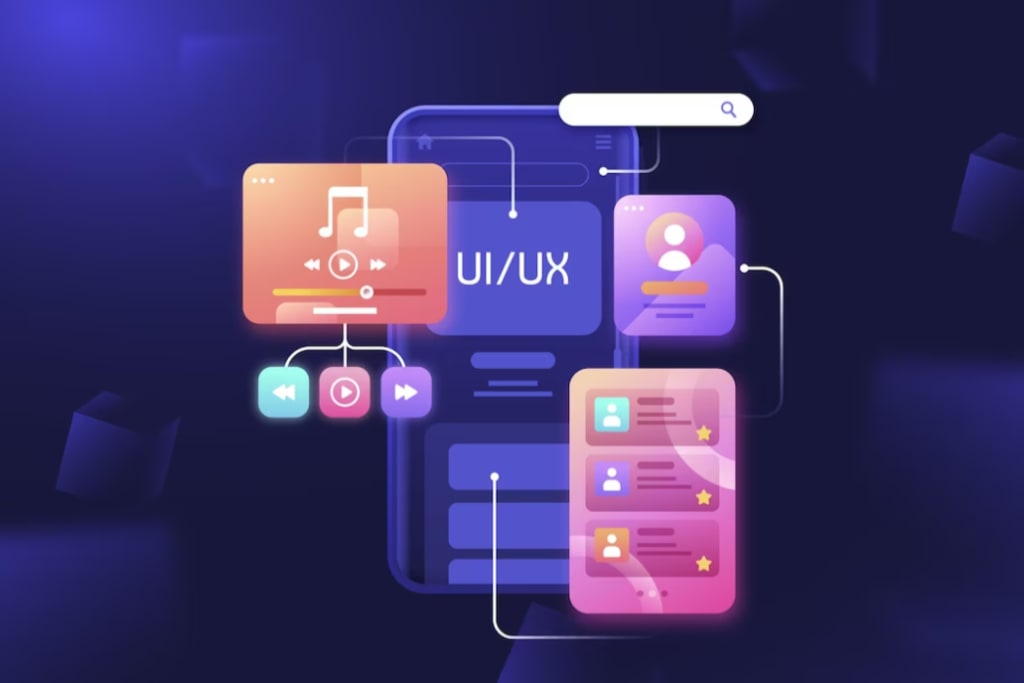
In the ever-evolving landscape of web development, React has emerged as a powerhouse for building dynamic and user-friendly interfaces. React's component-based architecture and efficient rendering mechanisms have attracted developers and businesses alike. However, in today's competitive digital world, a React developer with UI/UX skills is a valuable asset. This guide aims to explore the responsibilities of a React developer, the essential UI/UX skills they should possess, delve into React basics from a UI/UX perspective, and provide insights into how to effectively find a React developer with strong UI/UX skills.
Responsibilities of a React Developer
A React developer's primary responsibility is to create web applications using the React library, ensuring seamless user experiences and high performance. While the technical aspect of the role is paramount, a React developer with UI/UX skills brings an additional layer of value to the team. Here are some core responsibilities of a React developer:
Component Development: React applications are built around components. A skilled developer should have the ability to design, develop, and maintain these components effectively.
State Management: React offers various state management solutions like Redux and Context API. A developer should be adept at choosing and implementing the most suitable state management approach based on the project's requirements.
Integration: Collaborating with designers and backend developers to integrate UI elements and APIs seamlessly is crucial. A React developer must have good communication skills to ensure the alignment of different project components.
Performance Optimization: React's virtual DOM ensures efficient rendering, but a developer should still possess the expertise to optimize the application for speed and responsiveness.
Debugging and Testing: Identifying and rectifying issues in the application through debugging and implementing effective testing strategies is an essential part of the development process.
Code Maintenance: Keeping the codebase organized, readable, and maintainable is crucial for the long-term success of the project.
Continuous Learning: Given the rapid evolution of the web development landscape, hire React js developer that should have a willingness to learn and adapt to new technologies and best practices.
Essential UI/UX Skills for a React Developer
Combining React skills with UI/UX expertise creates a unique blend that results in user-centric and visually appealing applications. Here are some essential UI/UX skills that a React developer should possess:
User-Centered Design: Understanding user needs, behaviors, and preferences is vital. A developer with UI/UX skills should be able to create interfaces that prioritize the user experience.
Wireframing and Prototyping: Being able to translate concepts into wireframes and interactive prototypes helps in visualizing the application's layout and flow before implementation.
Visual Design: While not necessarily a graphic designer, a React developer should have a sense of visual aesthetics, including typography, color theory, and layout design.
Responsive Design: In today's multi-device world, the ability to create interfaces that adapt seamlessly to various screen sizes and orientations is crucial.
Usability Testing: Conducting usability tests to gather feedback and insights from users helps in refining the application's design and functionality.
Information Architecture: Structuring the application's content and navigation in a logical and user-friendly manner enhances the overall usability.
Interaction Design: Designing meaningful and intuitive interactions enhances user engagement. A React developer with UI/UX skills can implement animations, transitions, and micro-interactions effectively.
React Basics for UI/UX Design Skills
Understanding how React works from a UI/UX perspective is essential for creating harmonious user experiences. Here's a brief overview of key React concepts from a UI/UX standpoint:
Components: Components in React are akin to building blocks of the user interface. A UI/UX-focused React developer should be proficient in creating reusable components that align with the design guidelines.
Props and State: Props allow the passing of data to components, while state manages the component's internal data. A developer should understand how to use these mechanisms to represent dynamic UI elements accurately.
Conditional Rendering: React developers should grasp conditional rendering techniques to display different components or UI elements based on certain conditions, enhancing the user experience.
Lifecycle Methods: While React's functional components are prevalent, class components still offer lifecycle methods. These methods can be utilized for managing animations, transitions, and other UI-related behaviors.
Hooks: Hooks, introduced in React 16.8, offer a way to add state and side-effects to functional components. A UI/UX developer should be well-versed in using hooks to create dynamic and interactive interfaces.
Context API: For managing global state in an application, the Context API is essential. This becomes particularly useful when implementing themes, user preferences, or other design-related aspects.
How to Find a React Developer with UI/UX Skills?
Finding a React developer who also possesses strong UI/UX skills can be a rewarding yet challenging endeavor. Here are some strategies to locate and evaluate such a candidate effectively:
Job Portals and Platforms: Websites like LinkedIn, Indeed, and Glassdoor are popular platforms to post job listings and search for potential candidates. Use specific keywords like "React developer with UI/UX skills" to narrow down the search.
Portfolio Review: Review the candidate's portfolio to assess the quality of their previous work. Look for projects that showcase both React development and UI/UX design React elements.
Networking: Attend web development and design meetups, conferences, and workshops. Networking events can help you connect with developers who have a cross-disciplinary skillset.
Online Communities: Platforms like GitHub, Stack Overflow, and Behance allow developers to showcase their skills. Engage with the community and reach out to developers whose work aligns with your requirements.
Skill Assessment: Design a small coding challenge that incorporates React development and UI/UX principles. This practical test can provide insights into the candidate's problem-solving abilities.
Interview Questions: Prepare interview questions that delve into both React development and UI/UX design. Inquire about their experience in creating user-centered interfaces and managing state in React applications.
Collaborative Tasks: During the interview process, assign a collaborative task that requires the candidate to work with a designer or provide design inputs. This can showcase their ability to bridge the gap between development and design.
References and Recommendations: Reach out to their references or colleagues to gain insights into their work ethics, collaboration skills, and ability to contribute to UI/UX discussions.
Conclusion
The demand for React developers with UI/UX skills is steadily increasing as businesses recognize the value of creating seamless and visually appealing user experiences. These professionals bridge the gap between development and design, resulting in more holistic and successful web applications. By understanding the responsibilities, skills, and strategies for finding such talent, you can enhance your development team and deliver exceptional user-centric products.
About the Creator
Enjoyed the story? Support the Creator.
Subscribe for free to receive all their stories in your feed.
Comments
There are no comments for this story
Be the first to respond and start the conversation.