
8 Signs You Could Have HPV
8 Warning Bells: Recognize the Early Signs of HPV for Better Health!
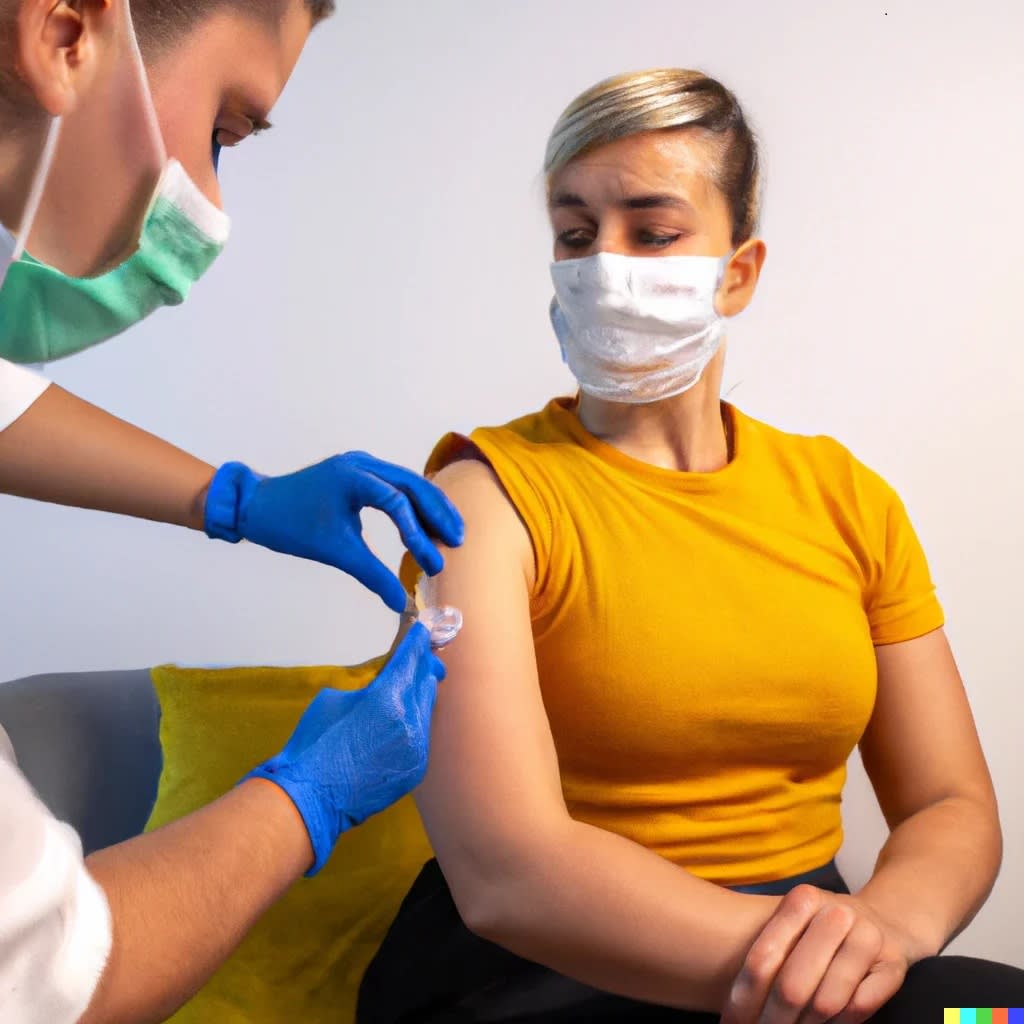
Human papillomavirus (HPV) is a sexually transmitted infection that affects millions of people worldwide. It can lead to serious health problems, including genital warts and cancer. In this article, we’ll provide an in-depth overview of Human papillomavirus, its symptoms, and how to protect yourself from the virus.
HPV is a virus that is spread through sexual contact, including vaginal, anal, and oral sex. There are over 100 different types of Human papillomavirus, and while most infections are harmless and go away on their own, some can cause health problems.
Symptoms of HPV:
In many cases, HPV does not cause any symptoms, making it difficult to know if you’ve been infected. However, some types of Human papillomavirus can cause genital warts, which are small, flesh-colored bumps that appear on or around the genitals or anus. Genital warts can be raised or flat, and they may be painful or itchy.
I’m pregnant. Will having HPV affect my pregnancy?
If you are pregnant and have HPV, it is important to discuss your condition with your healthcare provider. In most cases, HPV does not cause any problems during pregnancy, and the virus does not affect the health of the baby. However, in rare cases, certain strains of Human papillomavirus can cause complications, such as preterm labor or a low birth weight. Your doctor may recommend additional testing or monitoring to ensure a healthy pregnancy.
Prevention of HPV:
The best way to prevent HPV is to practice safe sex, including using condoms and getting vaccinated. The Human papillomavirusvaccine is recommended for both males and females, and it is most effective when given before becoming sexually active. By getting vaccinated, you can protect yourself from the most common high-risk strains of Human papillomavirus, which are responsible for most cases of cervical cancer.
How to protect yourself from HPV:
Limit your number of sexual partners: The more sexual partners you have, the greater your risk of getting HPV.
Use condoms consistently and correctly: Condoms can reduce your risk of getting Human papillomavirus, but they are not foolproof.
Get regular cervical cancer screenings (Pap tests): Pap tests can detect abnormal cells in the cervix before they turn into cancer.
Treatment of HPV:
In many cases, it does not require treatment, as the body’s immune system can clear the virus on its own. However, if you have symptoms of genital warts, your healthcare provider may recommend treatment to remove the warts. Treatment options may include topical medications, freezing or burning the warts off, or surgery to remove them.
In cases where it has caused changes to the cells in the cervix, your healthcare provider may recommend additional tests or procedures to monitor or treat the condition. This may include a colposcopy, in which the cervix is examined under magnification, or a biopsy, in which a small sample of tissue is taken from the cervix for testing.
What tests can be done to diagnose an Human papillomavirus infection:
If you are concerned that you may have been exposed to HPV, there are several tests that can be done to diagnose the infection. Pap tests, Human papillomavirus tests, and colposcopy are all used to detect abnormal cell changes in the cervix, which can be an early sign of cervical cancer. In some cases, a biopsy may be necessary to confirm a diagnosis.
How easily transmitted is Human papillomavirus:
Human papillomavirus is a highly contagious virus that is spread through sexual contact. You can contract the virus even if you don’t have any visible warts or other symptoms. The risk of transmission can be reduced by practicing safe sex, including using condoms and limiting your number of sexual partners.
Prevention of HPV:
The best way to prevent HPV is to practice safe sex, including using condoms and getting vaccinated. The Human papillomavirus vaccine is a highly effective way to prevent infection with the most common high-risk strains of the virus. It is recommended for both boys and girls between the ages of 11 and 12, but can be given to anyone up to the age of 45. It is also important to get regular cervical cancer screenings, as this can help detect abnormal cell changes in the cervix before they turn into cancer.
Treatment of HPV:
In many cases, Human papillomavirus does not require treatment, as the body’s immune system can clear the virus on its own. However, in some cases, treatment may be necessary to remove genital warts or prevent the development of cancer. Topical medications, cryotherapy, and surgery are all used to treat genital warts, while treatments for cervical cancer may include surgery, radiation therapy, or chemotherapy.
Genital warts:
Genital warts are a common symptom of Human papillomavirus. They can be uncomfortable, unsightly, and difficult to treat. There are several different treatments available for genital warts, including topical medications, cryotherapy, and surgery. In some cases, the warts may go away on their own without any treatment.
Case statistics:
HPV is a widespread virus that affects people of all ages, genders, and backgrounds. According to the Centers for Disease Control and Prevention (CDC), about 79 million Americans are currently infected with Human papillomavirus, and about 14 million people become newly infected each year.
Human papillomavirus (HPV) and diabetes:
About the Creator
Enjoyed the story? Support the Creator.
Subscribe for free to receive all their stories in your feed.
Comments
There are no comments for this story
Be the first to respond and start the conversation.