
7 Tips for Streamlining Payments and Improving Customer Experience
Streamline payments to boost trust, security, and customer satisfaction effortlessly.
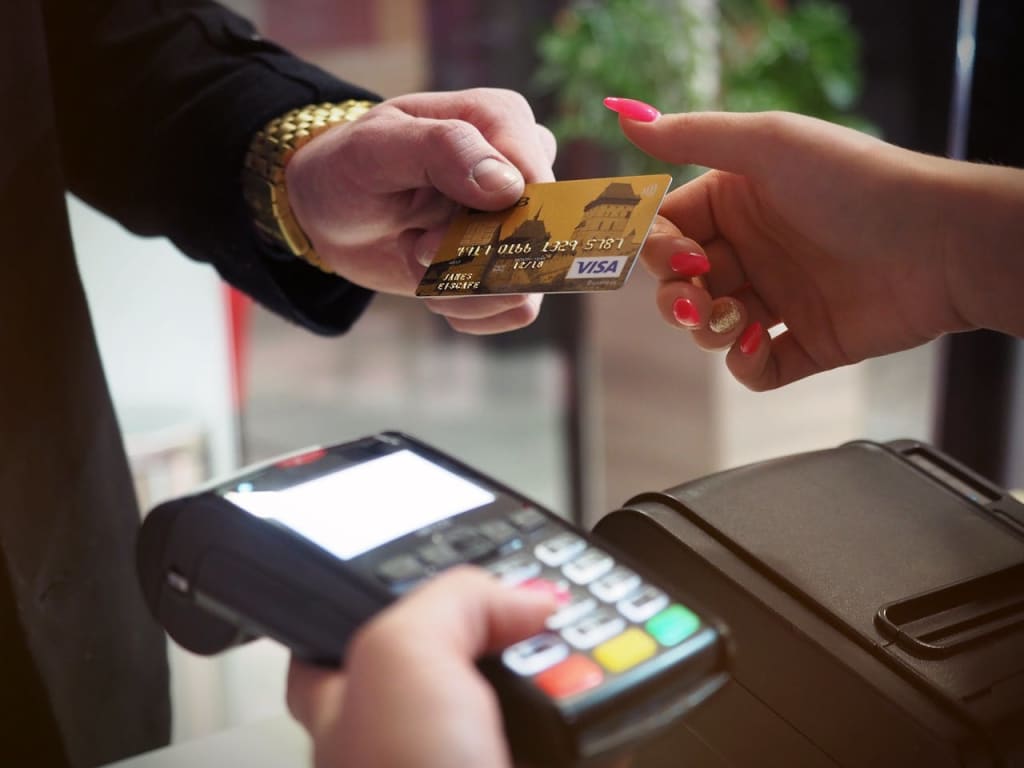
An uninterrupted payment process is crucial in today’s rapid digital economy. Seamless and secure payments not only guarantee operational effectiveness but also play a major role in enhancing customer satisfaction. By minimizing transaction mistakes and removing redundant processes, companies can build trust and loyalty with their customers. Presented below are seven practical suggestions aimed at simplifying payment processes and improving the overall shopping experience.
1. Broaden Payment Method Choices
Variety in payment options is crucial for meeting diverse customer expectations. Offering multiple methods, such as credit cards, debit cards, e-wallets, and digital bank transfers, caters to individual preferences. Customers appreciate having choices, and businesses that provide flexibility are more likely to retain them. Emerging payment methods, like cryptocurrency or contactless options, further enhance convenience. For example, mobile wallets such as Google Pay, Apple Pay, or PayPal are gaining immense popularity among tech-savvy users.
Integrating region-specific alternatives, like UPI in India or Klarna in Europe, enables companies to broaden their reach. Studies indicate that companies providing over three payment methods achieve greater conversion rates compared to those with fewer choices. Payment flexibility improves convenience and guarantees that transactions are carried out seamlessly. Additionally, addressing various needs showcases a customer-focused strategy that ultimately enhances loyalty.
2. Streamline the Checkout Process
A cumbersome checkout process can lead to frustration and abandoned carts. Simplifying this critical step reduces friction and encourages buyers to complete their purchases. Start by minimizing the number of form fields—only request essential details. Allowing guest checkout options prevents unnecessary hurdles for one-time users, while auto-fill capabilities expedite the process for returning customers.
Additionally, incorporating progress indicators helps buyers understand how close they are to completing their transaction. A clean, well-organized interface ensures that users can navigate easily without confusion. According to Baymard Institute, over 69% of online shoppers abandon their carts, often citing complicated checkout systems as the main reason. Reducing this rate by even a small percentage can lead to significant revenue growth. Providing a quick and intuitive checkout ensures users leave with a positive impression of the business.
3. Fortify Payment Security Measures
Trust remains a cornerstone of every successful payment transaction. Customers need assurance that their sensitive information is well-protected. Advanced encryption protocols, such as SSL certificates, prevent unauthorized access and maintain confidentiality. Secure payment gateways further protect personal and financial data from breaches.
Showing visible security features, like compliance badges or payment authentication symbols, enhances customer trust. AI-driven fraud detection systems examine transaction trends to identify suspicious behavior, providing proactive security. OTPs, biometric checks, and tokenization provide extra security measures.
These robust security measures not only protect sensitive information but also foster trust. A secure payment system reduces the likelihood of disputes and chargebacks, ultimately saving businesses both time and resources. Security is not just a necessity—it’s an investment in customer confidence.
4. Optimize Systems for Mobile Use
With mobile commerce driving a significant portion of global sales, it’s crucial for businesses to adapt their payment systems to smaller screens. Ensuring a responsive website design allows users to navigate smoothly across different devices. Payment portals optimized for smartphones simplify transactions, increasing convenience for customers on the go.
Mobile-compatible choices, like digital wallets or QR code payments, speed up the checkout process. Functions such as fingerprint or facial recognition authentication enhance security without increasing the number of steps. As per Statista, mobile commerce represented almost 73% of total e-commerce transactions in 2021. Disregarding mobile users results in losing a substantial portion of potential income.
Prioritizing mobile optimization ensures inclusivity for customers who prefer shopping on their phones. Streamlined interfaces and easy-to-navigate designs demonstrate a commitment to delivering excellent user experiences across all platforms.
5. Embrace Automation and Advanced Technologies
Technology offers countless ways to improve payment processes. Automation reduces the need for manual intervention, saving time and preventing errors. Recurring payments, invoicing, and payment reminders are areas where automation excels. Customers benefit from hassle-free processes, and businesses enjoy uninterrupted cash flow.
Tools powered by AI identify fraudulent transactions by examining real-time patterns, minimizing risks linked to online payments. Machine learning improves personalization by recommending payment methods suited to each person's preferences. For example, systems can anticipate favored payment methods by analyzing previous behavior, facilitating quicker transactions.
Implementing these advanced tools reduces costs while increasing efficiency. Automation also minimizes operational delays, ensuring payments are processed accurately and on time. By adopting modern technologies, businesses signal their commitment to innovation and user satisfaction.
6. Ensure Pricing Transparency
Surprise fees or undisclosed charges can annoy customers and diminish trust. Companies need to explicitly detail all expenses—product prices, taxes, shipping costs, and any extra fees—prior to customers reaching the checkout stage. Clear pricing methods remove uncertainty and build trust, making certain that buyers feel well-informed.
Providing detailed receipts immediately after transactions reassures customers. Itemized bills act as a reference point for any future inquiries or disputes. Prompt delivery of receipts enhances transparency and showcases professionalism.
Clear communication regarding pricing avoids misunderstandings, strengthens relationships, and reduces refund requests. Transparent practices demonstrate accountability, positioning businesses as trustworthy and customer-focused.
7. Prioritize Excellent Support Services
Even the most effective payment systems sometimes face problems. Swift and efficient customer assistance guarantees that these issues do not worsen. Offering various contact options, including live chat, phone, and email, enhances the availability of support. Chatbots powered by AI respond to simple questions immediately, whereas skilled agents tackle more intricate issues.
Timely resolution of payment-related issues improves overall satisfaction. Detailed FAQs, tutorial videos, and help articles empower users to troubleshoot independently. Accessible support services enhance trust and encourage repeat business. Knowing that help is readily available makes customers more comfortable using your payment system.
By addressing concerns swiftly and professionally, businesses reinforce their reputation for reliability. Excellent support services demonstrate a commitment to providing seamless, enjoyable payment experiences.
Conclusion
Effective payment systems are essential for companies looking to differentiate themselves in competitive markets. Simplifying payments minimizes mistakes, boosts security, and elevates customer satisfaction. Applying tactics like expanding payment methods, enhancing mobile user experiences, and guaranteeing clear pricing facilitates a smooth transaction process.
By adopting these seven tips, businesses can build trust, improve satisfaction, and ensure long-term success. A commitment to innovation, convenience, and customer service elevates the payment process from a routine task to a meaningful interaction. Start optimizing today to unlock the full potential of your payment system.
About the Creator
Enjoyed the story? Support the Creator.
Subscribe for free to receive all their stories in your feed.
Comments
There are no comments for this story
Be the first to respond and start the conversation.