
7 Steps to Find Web Design Clients on LinkedIn
Here's a step-by-step guide on finding web design clients on LinkedIn

If you’re a web designer looking to find new clients, LinkedIn might just be your new best friend. Think of it as the world’s biggest networking event, where everyone’s wearing name tags, and you don’t have to worry about the awkward small talk.
With over 1 billion users, LinkedIn is a goldmine for anyone serious about expanding their client base. Whether you’re freelancing from your kitchen table or running a small design studio, mastering LinkedIn networking can turn those virtual handshakes into real business opportunities.
Why is LinkedIn so important for web designers? Simply put, it’s where professionals hang out. It’s like the digital version of a coffee shop where your potential clients are already gathered, sipping on their virtual lattes. They’re there looking for talent just like yours.
By understanding how to find web design clients on LinkedIn, you can showcase your skills, connect with decision-makers, and position yourself as the go-to expert in your field. And the best part?
You don’t need to be a tech wizard or spend hours crafting the perfect profile. With some practical steps (and maybe a bit of humor), you’ll be well on your way to building meaningful connections and landing your next big project.
Ready to dive in and make LinkedIn work for you? Let’s explore the seven easy steps that will have you navigating this powerful platform like a pro.
Optimize Your LinkedIn Profile
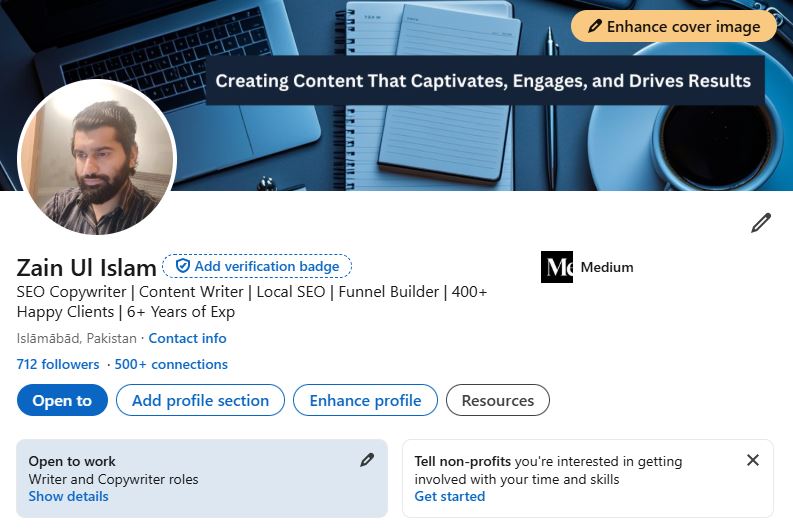
Your LinkedIn profile is like a digital business card, and it's often the first impression potential clients will have of you. To attract web design clients, start with a compelling headline. Instead of just "Web Designer," try something more descriptive like "Creative Web Designer Specializing in Sleek, User-Friendly Interfaces." Your summary should tell your story, highlighting your unique approach to web design and what sets you apart. Imagine you're chatting with someone at a networking event—be personable, yet professional. Let your passion for your craft shine through.
Next up, showcase your skills and portfolio. LinkedIn is a visual platform, so use it to your advantage. Include links to your best work or a portfolio website where you can display your projects. Don't just list your skills; weave them into the narrative of your experiences. For example, instead of saying "skilled in HTML and CSS," describe how you used these skills to solve a client's problem or enhance their web presence. This not only demonstrates your expertise but also provides potential clients with real-life examples of your work.
Finally, sprinkle relevant keywords throughout your profile to boost your visibility. Think about what terms potential clients might use when searching for web design professionals on LinkedIn. Keywords like "UX/UI design," "responsive web design," or "e-commerce website development" can help your profile pop up in search results. Remember, the goal is to make it as easy as possible for those seeking web design services to find you. By optimizing your LinkedIn profile with these strategies, you'll set yourself up for success in attracting new business opportunities.
Build a Strong Network

Building a strong network on LinkedIn is like planting seeds in a garden. Each connection can blossom into a potential opportunity. Start by reaching out to industry professionals and potential clients. Imagine LinkedIn as a vast digital conference where you can shake hands with everyone from fellow web designers to business owners looking for your expertise. Send personalized connection requests—mention shared interests or experiences to make your outreach feel genuine. Remember, quality trumps quantity; aim for meaningful connections that align with your professional goals.
Once you've established your network, don't just let it sit there. Engage actively! Comment on posts, share valuable insights, and send messages to keep the conversation going. Think of it as nurturing those seeds you've planted. For instance, if a connection shares an article about the latest web design trends, jump in with your thoughts or ask questions. This not only strengthens your digital presence but also keeps you top-of-mind when someone needs web design services.
Don't overlook the power of alumni networks and professional groups on LinkedIn. These are treasure troves of opportunities waiting to be tapped into. Reconnect with old classmates or colleagues through your alumni network; they might be in positions to hire or recommend you to others. Join professional groups related to web design and digital marketing, where you can contribute to discussions and showcase your expertise. It's like joining a club where everyone already speaks your language—just waiting for you to join the conversation!
Participate in LinkedIn Groups
Jumping into LinkedIn groups is like walking into a room full of people who speak your language. These groups are fantastic places to find web design clients on LinkedIn. They're buzzing with industry discussions, new trends, and opportunities to connect with like-minded professionals. Whether you’re into web design, digital marketing, or creative entrepreneurship, there’s a group waiting for you. Simply search for relevant groups, check out their vibe, and hit that "Join" button. Once you're in, be sure to introduce yourself and start mingling.
But joining is just the beginning. To truly benefit, you need to engage actively. Share your insights, ask questions, and participate in discussions. Think of it as a friendly chat over coffee rather than a formal meeting. For example, if someone posts about the latest web design tool, chime in with your experience or tips. This not only positions you as a knowledgeable peer but also helps you stay updated with what's hot in the industry. Plus, by actively participating, you'll naturally attract attention from potential clients who value your expertise.
Establishing yourself as an authority in your field takes time but pays off big. Consistently contributing valuable insights will make your name recognizable. Imagine a scenario where a potential client remembers your helpful advice from a group discussion and reaches out for a project. That’s the power of being seen as an expert! So, keep sharing those nuggets of wisdom and let your expertise shine. Remember, LinkedIn groups aren't just about client outreach—they're about building genuine relationships that could lead to exciting opportunities down the road.
Leverage LinkedIn’s Search Features

Think of LinkedIn as a treasure map, and its search features are your compass. They guide you straight to potential clients who are just waiting to discover your web design magic. The advanced search function is a goldmine for finding people who fit your ideal client profile. By simply entering specific criteria like job title, industry, or even the company size, you're cutting through the noise and connecting with those who matter most to your business. Imagine you're looking for clients in the tech industry in Austin, Texas. Use LinkedIn's filters to narrow down your search by location and industry, making your outreach efforts more targeted and efficient.
Once you've set up your search parameters, don't forget to save them for regular follow-ups. This nifty feature allows you to keep track of new potential clients without having to start from scratch each time. It's like having a personal assistant who keeps an eye on things while you focus on crafting amazing designs. Plus, regular follow-ups show potential clients that you're proactive and genuinely interested in working with them. Consistency is key in networking, and LinkedIn’s search features make it so much easier to stay on top of your game.
To make the most of these search capabilities, remember to keep refining your approach based on what works best. Maybe you notice that potential clients from small startups engage more with your outreach than larger corporations. Adjust your filters accordingly and watch as your connections grow. These networking tips are about being strategic and smart with your efforts. After all, a little bit of planning goes a long way in ensuring that the time you spend on LinkedIn yields fruitful results for your web design business.
Create and Share Engaging Content

If you want to learn how to find web design clients on LinkedIn, creating and sharing engaging content is your secret weapon. Start by publishing articles and posts that highlight your expertise. Think of these as mini showcases of your skills. You could write about the latest design trends or share tips on improving website functionality. The goal is to position yourself as an expert in web design, so when potential clients see your content, they think, "This person knows their stuff!" A well-written article can do wonders for your credibility and might just be the nudge someone needs to reach out to you.
Don't stop at articles—case studies and client testimonials are gold mines for building trust. Share stories about projects you've completed, highlighting the challenges you overcame and the results you achieved. For example, you might discuss how you revamped a small business's online portfolio, leading to increased traffic and sales. Including client testimonials adds a layer of authenticity that can’t be beat. These real-life endorsements act like a virtual pat on the back, showing potential clients that others have had great experiences working with you.
Once your content is out there, engage with your audience. Respond to comments on your posts, answer questions, and thank people for their feedback. This is where building relationships really takes off. If someone shares your post or leaves a comment, that's your cue to start a conversation. A simple "Thank you for sharing! What did you find most interesting?" can open the door to a meaningful dialogue. Remember, LinkedIn is not just a platform for broadcasting; it’s a community where interaction can lead to opportunities. By staying engaged, you show that you're approachable and ready to help, which can make all the difference in attracting new clients.
Utilize LinkedIn’s InMail Feature
Think of LinkedIn’s InMail feature as your personal golden ticket to connect directly with potential clients who might not be in your immediate network. But here's the catch: you have to make it count. Crafting personalized messages is key. Start with a genuine compliment or a shared interest to break the ice. For example, if you notice they recently posted about a web design trend you’re also passionate about, mention it. This shows you’re paying attention and not just sending a copy-paste message to everyone. Remember, people appreciate being seen as individuals, not just another number in your prospect list.
Following up can feel a bit tricky because you don't want to come across as pushy. Think of it like this: you’re not just following up; you’re continuing a conversation. If you haven’t heard back in a week or two, drop them a gentle reminder. A simple, “Hey, just wanted to circle back on my previous message and see if you had any thoughts,” works wonders. It keeps the tone light and friendly while nudging them to respond. And if they’re interested, they’ll appreciate the reminder.
Finally, keep an eye on how people are responding to your messages. Are they engaging positively, or are you hearing crickets? Use these insights to tweak your approach. Maybe your messages are too long, or perhaps they’re missing a clear call to action. It’s all about learning and adjusting. Just like in web design, where you test and iterate, your LinkedIn strategy should evolve based on what’s working and what’s not. Stay flexible and remember: each interaction is a chance to refine your technique and bring you closer to landing that next big client.
Analyze and Adjust Your Strategy
You’ve sent out those InMails and engaged in lively discussions, but now comes the detective work. Analyzing your LinkedIn analytics is like reading the tea leaves of your networking efforts. Dive into the data to see who’s viewing your profile, which posts are getting the most love, and how many people are clicking through to your portfolio. These metrics are your guiding stars, showing you what’s working and what needs a little tweak. Maybe you notice that posts with before-and-after shots of your web design projects get more attention. That’s a clue to create more visual content showcasing your skills.
Finding web design clients on LinkedIn isn’t just about throwing spaghetti at the wall to see what sticks. It’s about identifying which strategies bring home the bacon. Take a closer look at your interactions: are comments leading to meaningful conversations? Are certain groups more responsive to your insights? Suppose you’re getting more traction from participating in niche digital marketing groups than broad design forums. In that case, it might be time to shift your focus and invest more energy there.
Once you’ve gathered these golden nuggets of information, it’s time for some fine-tuning. Continuously refining your approach keeps you nimble and ready to adapt to changes in the digital landscape. Perhaps you find that personalized messages in InMail get better responses than generic ones. This insight could lead you to craft more tailored outreach, perhaps even testing different subject lines or opening lines to see what resonates best. Remember, the key to mastering LinkedIn and finding web design clients lies in being both proactive and flexible in your strategy. Keep experimenting, keep learning, and most importantly, keep connecting!
Wrapping Up Your LinkedIn Mastery
You've now got a roadmap for how to find web design clients on LinkedIn. From optimizing your profile to engaging with industry groups, each step is a building block to get you closer to your goal. Remember to craft a compelling headline, build a strong network, and keep your interactions authentic and meaningful. Don’t forget the power of creating engaging content and using InMail wisely. Regularly analyze your efforts to see what's working and tweak your strategy as needed.
Stay proactive and persistent! Networking is like gardening; it takes time and effort, but the results are worth it. Keep showing up, connecting with new people, and sharing your expertise. Whether you're landing that big client or gaining valuable insights, every interaction counts.
Disclaimer: The content is produced with the help of AI.
About the Creator
Enjoyed the story? Support the Creator.
Subscribe for free to receive all their stories in your feed.
Comments
There are no comments for this story
Be the first to respond and start the conversation.