
7 Best Vitamins for Teeth and Gums: Dentist-Approved List (2025)
Dentist-Approved List
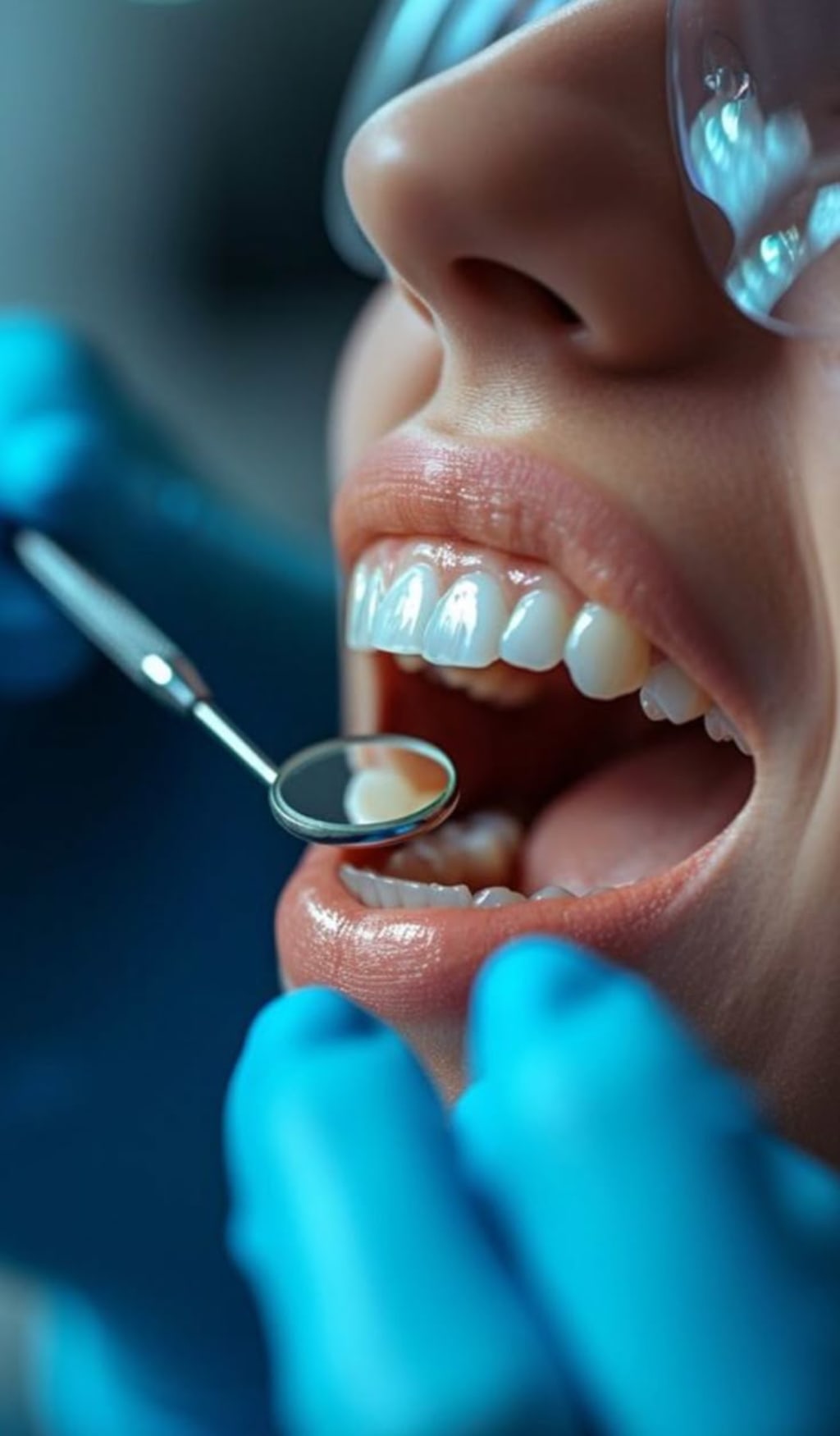
The best vitamins for teeth and gums remain overlooked by many people despite their crucial role in maintaining optimal oral health. Surprisingly, even those who brush and floss religiously might still experience dental problems due to nutritional gaps in their diet.
Dental health issues affect millions worldwide, with gum disease affecting nearly 50% of adults over 30. Unfortunately, many don't realize that proper nutrition significantly impacts everything from enamel strength to gum tissue integrity. Essentially, certain vitamins and minerals act as building blocks for healthy teeth and gums, helping prevent decay and inflammation.
This dentist-approved guide examines the seven most important nutrients for oral health in 2025. Beyond just listing these vital elements, we'll specifically cover their benefits, natural food sources, and supplement options for each. Whether you're dealing with existing dental issues or simply want to strengthen your oral health foundation, these recommendations will help you smile with confidence.
Your path to optimal dental health.
Calcium
Calcium serves as the foundation for dental health, playing a crucial role in maintaining strong teeth throughout your life. As the most abundant mineral in the human body, calcium forms the building blocks that keep your smile intact and functional for years to come.
Benefits of Calcium for teeth and gums
Approximately 99% of the body's calcium resides in bones and teeth, contributing directly to their strength and structure 1. This essential mineral works tirelessly to fortify tooth enamel—the hard outer protective layer that shields against decay and erosion. Research confirms that higher calcium intake has a beneficial effect on periodontal disease, likely by influencing bone mineral density 2.
Furthermore, calcium offers remarkable protection against tooth loss. A clinical study found that participants taking calcium supplements experienced significantly less tooth loss—only 13% of subjects taking supplements lost teeth compared to 27% taking placebo 3. Additionally, those consuming at least 1000 mg of calcium daily showed better tooth retention, with 40% losing teeth versus 59% among those with lower intake 3.
Calcium also helps regulate bacterial biofilm formation by reducing bacterial adhesion to enamel 4. This preventive effect works best when combined with adequate vitamin D, which aids calcium absorption.
Food sources of Calcium
Obtaining calcium through diet remains the most effective approach for dental health. Dairy products stand out as excellent sources—milk provides 300 mg per 250 ml cup 2, while cheese (especially parmesan, romano, and gruyere) offers even higher concentrations.
Beyond dairy, calcium-rich foods include:
• Seafood: Canned sardines (569 mg per cup) and salmon (241 mg per cup) when bones are consumed 5
• Plant sources: White beans (485 mg per cup), soybeans (515 mg per cup), and dark leafy greens like collard greens (357 mg per cup when frozen) 5
• Nuts and seeds: Almonds provide 246 mg per cup 5
• Fortified foods: Orange juice with added calcium can contain up to 1514 mg per cup 5
The recommended daily calcium intake for adults (19+) is 700 mg in the UK 1 and around 1000 mg according to most dental recommendations 2.
Supplement options for Calcium
When dietary intake falls short, supplements help bridge the gap. The two primary forms available are calcium carbonate and calcium citrate. Calcium carbonate tends to be less expensive but requires adequate stomach acid for proper absorption and should be taken with food to minimize digestive discomfort 1.
In contrast, calcium citrate may offer better absorption, particularly for older adults and those with reduced stomach acid. Consequently, it can be taken with or without food 1.
For optimal absorption, experts recommend splitting doses if taking more than 500 mg at once 1. Remember that excessive calcium intake (above 1,500-2,000 mg daily) could potentially cause side effects including stomach pain, digestive issues, and interference with other nutrient absorption 1.
Always coordinate calcium supplementation with vitamin D, as this partnership maximizes dental benefits and supports proper calcium utilization throughout the body 4.
Vitamin D
Vitamin D stands out as one of the best vitamins for teeth and gums, acting as the essential partner to calcium in maintaining oral health. Often called the "sunshine vitamin," this powerful nutrient plays a crucial role beyond just bone strength.
Benefits of Vitamin D for oral health
Vitamin D helps regulate the amount of calcium and phosphate in the body, nutrients needed to keep teeth, bones, and muscles healthy 6. Moreover, this vitamin serves as a catalyst for calcium absorption, which directly supports dental health and prevents bone loss.
Clinical research shows that vitamin D supplementation significantly improves periodontal health outcomes 7. Indeed, studies have found that people with higher vitamin D serum levels had fewer teeth with periodontal pockets and decreased risk of tooth loss 8. One notable study demonstrated that subjects receiving 700 μg vitamin D daily (combined with calcium) for three years experienced only 13% prevalence of tooth loss compared to 27% in the control group 8.
Additionally, vitamin D influences immunity at various stages, including antibacterial response and regulation of adaptive and innate immunity 8. This immune-modulating effect helps protect gum tissue from inflammation and infection.
Food sources of Vitamin D
Unlike many nutrients, vitamin D naturally occurs in relatively few foods. Primary dietary sources include:
• Oily fish such as salmon, sardines, herring, and mackerel
• Egg yolks (particularly from chickens raised outside)
• Red meat and liver
• UV-exposed mushrooms (containing vitamin D2)
• Fortified foods like breakfast cereals, fat spreads, and some plant milks
Sunlight remains our body's main natural source of vitamin D, with skin exposure to UVB rays triggering production. Nevertheless, from October to March in many northern locations, sunlight alone is insufficient for adequate vitamin D synthesis 9.
Supplement options for Vitamin D
For optimal oral health, experts recommend adults consume 10 micrograms (400 IU) of vitamin D daily 6. During autumn and winter months, supplements become particularly important as sunlight exposure decreases 10.
Vitamin D supplements come in two forms: D2 (ergocalciferol) and D3 (cholecalciferol). Vitamin D3 is generally considered more effective, although vitamin D2 provides a plant-based alternative suitable for vegetarians and vegans 10.
When selecting supplements, consider that excessive intake (above recommended levels) isn't beneficial and could potentially cause issues. As a result, following dosage guidelines remains important for safety and effectiveness.
Vitamin C
Vitamin C emerges as another critical nutrient among the best vitamins for teeth and gums, with remarkable capabilities for maintaining gum tissue integrity. This water-soluble vitamin plays several unique roles in oral health that complement the functions of calcium and vitamin D.
Benefits of Vitamin C for gum tissue
Vitamin C primarily supports gum health through collagen production—an essential protein that provides structure to your gums and holds teeth in place 2. Without adequate vitamin C, collagen weakens, potentially leading to loosened teeth and compromised oral tissues.
Research demonstrates a clear connection between vitamin C levels and gum health. Studies have found that individuals with low vitamin C levels face an increased risk of periodontal disease 11. Notably, a meta-analysis revealed that higher vitamin C intake was associated with a reduction in periodontal disease risk, with a pooled odds ratio of 1.52 12.
The protective effects extend further—vitamin C reduces inflammation in periodontal disease 2, helps neutralize cell transformation 2, and plays a defensive role against oral cancers 2. Clinical trials have confirmed that vitamin C supplementation decreases spontaneous bleeding and gum redness in patients with gingivitis 2, chronic periodontitis, and even those with type 2 diabetes 2.
Food sources of Vitamin C
Obtaining sufficient vitamin C through diet remains straightforward through various fruits and vegetables:
• Citrus fruits: Oranges, lemons, limes, grapefruits
• Berries: Strawberries, raspberries
• Tropical fruits: Pineapple, papaya, kiwi
• Vegetables: Broccoli, peppers (red and green), tomatoes, leafy greens, cauliflower, cabbage
• Others: Potatoes
The Recommended Dietary Allowance (RDA) of vitamin C is 90 mg/day for adult men and 75 mg/day for adult women 2, with an upper limit of 2,000 mg/day.
Supplement options for Vitamin C
For those unable to maintain adequate dietary intake, vitamin C supplements offer a practical alternative. Accordingly, research suggests that supplementation can effectively reduce gum bleeding in people with gingivitis and diabetes 11.
The NHS recommends increasing vitamin C intake by consuming more vitamin C-rich foods or taking a daily 100-200 mg vitamin C supplement if you experience gum bleeding 13. Experts suggest that while vitamin C deficiency doesn't cause periodontal disease directly, our bodies require extra vitamin C during illness and tissue repair 14.
Before starting supplementation, remember that severe vitamin C deficiency (scurvy) is rare today with balanced diets, though mild deficiencies remain relatively common worldwide 11.
Phosphorus
Working hand-in-hand with calcium, phosphorus ranks as a crucial mineral among the best vitamins for teeth and gums, serving as the second most abundant mineral in the human body. This essential element plays a pivotal role in dental health through its unique properties and synergistic relationship with other nutrients.
Benefits of Phosphorus for enamel
Phosphorus works closely with calcium to create hydroxyapatite, the main structural component of bones and tooth enamel 5. This mineral partnership forms the hard, protective outer layer of teeth that shields against decay and erosion. In fact, approximately 85% of phosphorus in the body resides in bones and teeth, highlighting its critical importance to dental structures 15.
Beyond merely building tooth enamel, phosphorus actively helps protect and rebuild this protective layer 16. This mineral aids in calcium absorption, thereby enhancing calcium's effectiveness in strengthening dental structures 3. Through this process, phosphorus contributes to the remineralization of tooth enamel that has been damaged by decay 17.
Food sources of Phosphorus
Fortunately, phosphorus is abundant in many foods, making deficiency relatively rare 18. Rich dietary sources include:
• Animal proteins: Seafood (scallops, sardines, cod, salmon), poultry, red meat, and organ meats like liver 5
• Dairy products: Milk, cheese, eggs, cottage cheese, and ice cream 19
• Plant sources: Legumes (navy beans, kidney beans, soybeans), nuts (almonds, cashews), seeds (pumpkin, sunflower), and whole grains 5
• Vegetables: Some vegetables like russet potatoes contain phosphorus 19
The absorption rate for phosphorus naturally contained in food ranges from 40% to 70%, with animal sources offering higher absorption rates than plant sources 1.
Supplement options for Phosphorus
For most people, phosphorus supplements aren't necessary since adequate amounts are typically obtained through diet 19. Phosphorus in supplements usually comes in the form of phosphate salts (like dipotassium phosphate) or phospholipids (such as phosphatidylcholine) 1.
When included in supplements, products typically provide 10% or less of the daily value for phosphorus, though some may deliver more than 100% 1. The bioavailability of phosphate salts is approximately 70% 1.
It's worth noting that phosphate additives are present in many processed foods and contribute significantly to overall phosphorus intake. These additives are used to preserve moisture, colour, and enhance frozen foods.
Your path to optimal dental health
Vitamin A
Beyond building strong structures, another of the best vitamins for teeth and gums plays a vital role in oral tissue health and healing. Vitamin A serves as a key nutrient for maintaining proper salivary function and supporting oral soft tissues.
Benefits of Vitamin A for saliva and healing
Vitamin A actively stimulates salivary gland function, ensuring adequate saliva production throughout the day 20. This remains crucial because saliva naturally washes away food particles and neutralizes harmful acids produced by bacteria in the mouth. A deficiency can lead to dry mouth (xerostomia), increasing susceptibility to tooth decay and gum disease 21.
Furthermore, vitamin A maintains healthy mucous membranes and soft tissues that serve as protective barriers against oral bacteria 3. Research shows it preserves mucosal membranes, salivary glands, and teeth structure 4, effectively forming the first line of defense against infections.
For those recovering from dental procedures, vitamin A speeds wound healing by promoting cell production and tissue regeneration 21. Studies have demonstrated modest protective effects against periodontal disease, with one meta-analysis reporting an odds ratio of 0.97 (95% CI: 0.94-1.00), suggesting vitamin A may provide slight protection against periodontal problems 22.
Food sources of Vitamin A
Vitamin A exists in two forms in our diet:
Preformed vitamin A (retinol) comes from animal sources:
• Hard-boiled eggs (approximately 8% of daily value per large egg) 20
• Bluefin tuna (about 25% of daily value per serving) 20
• Cheddar cheese (roughly 10% of daily value per serving) 20
• Other sources: liver, dairy products, and fortified cereals 23
Provitamin A (beta-carotene) comes from plant sources:
• Orange and yellow vegetables: carrots, sweet potatoes, bell peppers
• Dark leafy greens: spinach, kale
• Yellow fruits: mangoes, papayas, apricots 24
Supplement options for Vitamin A
Vitamin A supplements typically come as retinyl acetate, retinyl palmitate, provitamin A beta-carotene, or combinations 25. Most standalone supplements contain around 3,000 mcg RAE (333% of daily value), whereas multivitamins usually offer 750-1,050 mcg RAE (83-117% of daily value) 25.
Absorption rates vary considerably—preformed vitamin A from supplements is absorbed at 70-90%, yet beta-carotene absorption ranges from 8.7% to 65% 25. Importantly, daily intake should not exceed 1,500 µg (1.5 mg) over extended periods, particularly for older adults and women at risk of osteoporosis 24.
Potassium
Among the best vitamins for teeth and gums, potassium performs a critical behind-the-scenes role in preserving jawbone integrity and preventing tooth loss. This essential mineral works silently yet effectively to maintain the structural foundation that supports healthy teeth.
Benefits of Potassium for jawbone health
Potassium primarily benefits oral health by regulating acid-base balance in the bloodstream. When blood becomes too acidic, the body naturally leaches calcium from bones—including the jawbone—to neutralize this acidity 26. This mineral effectively prevents bone deterioration that could otherwise result in tooth loss 8.
Research confirms potassium's positive impact on dental structures. Studies show higher dietary potassium intake reduced osteoporosis risk at the lumbar spine by 32% in postmenopausal women 8. Additionally, potassium helps maintain bone mineral density (BMD), with women in higher potassium intake groups showing better BMD across all measurement sites 8.
Beyond preserving jawbone structure, potassium aids calcium retention. By reducing urinary calcium excretion, it creates a more positive calcium balance and inhibits bone resorption 8. Clinical evidence suggests potassium citrate supplementation has long-term positive effects on calcium balance through this mechanism 27.
Food sources of Potassium
Obtaining potassium through diet remains straightforward through these rich sources:
• Fruits: Bananas, avocados, citrus fruits, prunes 510
• Vegetables: Tomatoes, potatoes (including sweet potatoes), Swiss chard, leafy greens 510
• Legumes: Lima beans, soybeans, pulses 510
• Proteins: Fish, shellfish, beef, chicken, turkey 10
• Other sources: Coffee, nuts, seeds, milk 10
Supplement options for Potassium
Rather than standalone supplements, most multivitamins contain approximately 80 mg of potassium 9. Potassium-only supplements typically provide up to 99 mg—only about 2% of the daily value—primarily due to safety considerations with higher doses 9.
Potassium supplements come in various forms, including potassium citrate, which studies show can effectively reduce urine calcium and benefit skeletal health 27. Nonetheless, experts recommend obtaining potassium primarily through food rather than supplements unless prescribed by healthcare providers 28.
Ultimately, maintaining adequate potassium intake through diet effectively supports jawbone health, thereby protecting teeth and preventing deterioration that could lead to tooth loss.
Vitamin K
Rounding out our list of best vitamins for teeth and gums, Vitamin K functions as the body's calcium director, ensuring this crucial mineral reaches teeth and bones rather than accumulating in soft tissues where it doesn't belong. This often-overlooked nutrient plays a significant role in maintaining dental structures.
Benefits of Vitamin K for bone and gum health
Primarily, Vitamin K activates osteocalcin, a protein that binds calcium to bone and teeth structures 29. Through this mechanism, it supports the jawbone that anchors teeth firmly, potentially reducing tooth loss risk 7.
Even more importantly, Vitamin K contributes to blood clotting—essential for healing after dental procedures such as extractions or surgeries 7. After dental work, proper clotting reduces bleeding and supports the initial stages of wound healing.
For those concerned about gum health, Vitamin K offers impressive anti-inflammatory properties. It reduces inflammation throughout the body by lowering inflammatory markers and controlling immune cells responsible for inflammation 6. Recent research indicates that adequate Vitamin K intake coupled with moderate dietary fiber is beneficial to periodontal health 30. Interestingly, Vitamin K intake has been inversely associated with periodontal attachment loss progression among American adults 30.
Food sources of Vitamin K
Vitamin K comes in two main forms:
• Vitamin K1 (phylloquinone): Found primarily in green leafy vegetables like spinach, kale, broccoli, and vegetable oils 7
• Vitamin K2 (menaquinone): Available in fermented foods and animal products including natto (fermented soybeans), cheese, egg yolks, and grass-fed butter 29
Natto stands out as exceptionally rich in K2, containing 1103.4 micrograms per 3.5-ounce portion 31. Other notable sources include goose liver pate (369 micrograms) and hard cheeses (76.3 micrograms) 31.
Supplement options for Vitamin K
For supplementation, options include K1, MK-4, and MK-7 (a form of K2). Vitamin K2 as MK-7 offers superior bioavailability with longer-lasting blood levels 32. The European Food Safety Authority recommends approximately 70 μg/day for adults 33.
Vitamin K supplements are particularly valuable for individuals taking anticoagulant medications, those with fat malabsorption issues, or liver disease patients 33. However, most experts suggest aiming for 100–200 mcg of vitamin K2 (MK-7) daily through supplementation when dietary intake is insufficient 29.
Conclusion
After examining these seven essential nutrients, their critical role in dental health becomes undeniably clear. Calcium and phosphorus work together as fundamental building blocks for tooth enamel, while vitamin D ensures proper absorption of these minerals. Vitamin C maintains healthy gum tissue through collagen production, preventing bleeding and inflammation. Potassium preserves jawbone integrity by regulating acid-base balance, thus preventing calcium leaching. Vitamin A supports saliva production and tissue healing, creating the first line of defense against bacteria. Finally, vitamin K directs calcium specifically to bones and teeth rather than soft tissues, strengthening dental structures and supporting post-procedure healing.
Most dental health experts now recognize that brushing and flossing alone cannot guarantee optimal oral health without proper nutrition. Research consistently demonstrates lower rates of tooth loss, decreased periodontal disease, and stronger enamel among people who maintain adequate levels of these key nutrients. Though supplements offer convenient options when dietary intake falls short, obtaining these vitamins primarily through whole foods remains the preferred approach for most dental professionals.
Understanding these nutritional connections allows patients to take proactive steps beyond typical oral hygiene practices. Rather than waiting for dental problems to develop, smart nutritional choices can help strengthen teeth and gums from within. The evidence clearly shows that addressing these specific nutritional needs significantly reduces risk for common dental issues while supporting long-term oral health. This comprehensive approach combining proper dental care with targeted nutrition creates the strongest foundation for maintaining healthy teeth and gums throughout life.
Your path to optimal dental health
This article contains affiliate links if you decide to go ahead and purchase I may receive a small commission.
About the Creator
Enjoyed the story? Support the Creator.
Subscribe for free to receive all their stories in your feed.
Comments
There are no comments for this story
Be the first to respond and start the conversation.