
5 Warning Signs Your Timing Belt Is About to Fail
Explained

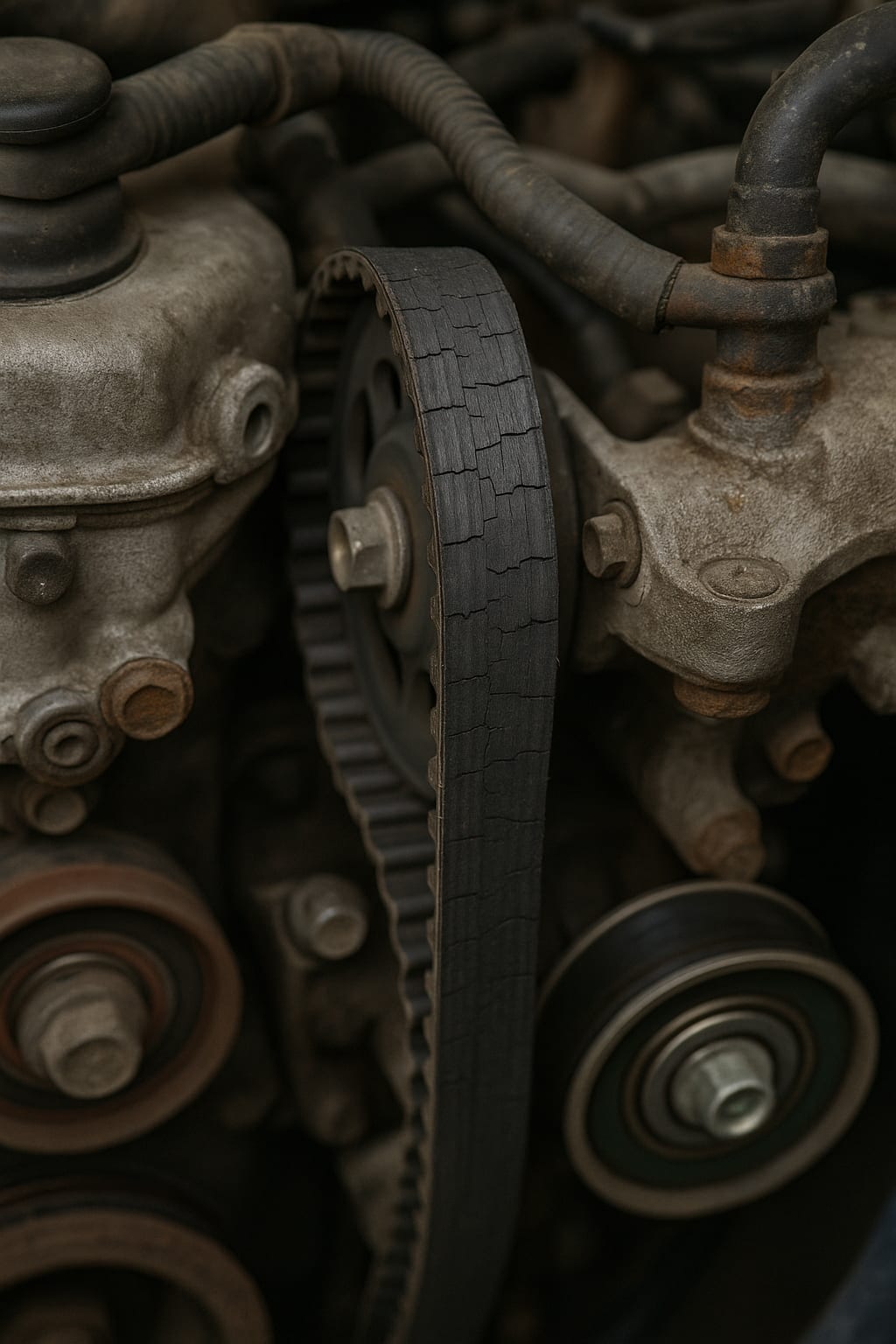
The timing belt may not be the most glamorous component under the hood, but it’s one of the most essential. Responsible for synchronizing the crankshaft and camshaft, the timing belt ensures that engine valves open and close at the proper times. If it fails, the consequences can be catastrophic, especially in interference engines where piston and valve contact is possible.
Thankfully, a failing timing belt often gives off early warning signs. Recognizing these symptoms early can help prevent engine damage and costly repairs.
Ticking or Clicking Noise from the Engine
A common early sign of timing belt trouble is a ticking noise coming from the engine. This sound is typically due to the belt becoming loose or worn, causing poor synchronization between moving parts. The noise may become more noticeable during idling or acceleration.
This ticking can also be mistaken for valvetrain issues or low oil pressure. However, if left unaddressed, it can escalate to belt failure and engine damage.
Study Insight: According to a 2020 AAA Engineering report, approximately 28% of engine noise complaints leading to breakdowns were linked to worn-out timing components, especially belts and tensioners.
Engine Misfires or Rough Idling
A timing belt that has stretched, worn teeth, or skipped a tooth on the camshaft pulley can cause the engine’s valves to open and close at the wrong time. This misalignment disrupts the combustion process, resulting in engine misfires, stalling, or rough idling.
These issues often become more pronounced during acceleration or when the engine is under load. Left untreated, they can lead to further mechanical wear and performance loss.
Study Reference: RepairPal reports that timing-related misfires account for 18% of diagnostic check engine light issues in vehicles with over 90,000 miles on the odometer.
Visible Cracks or Wear on the Timing Belt
Although the timing belt is typically housed behind protective covers, some parts of it may become visible during engine maintenance. If you or your mechanic notice cracks, fraying, or glazing on the belt, it’s a clear sign it needs to be replaced.
A deteriorating belt loses its grip on the pulleys, increasing the risk of slippage or breakage. This is one of the easiest warning signs to detect during scheduled inspections.
Oil Leaks Near the Engine Timing Cover
Oil leaking from the camshaft or crankshaft seals can make its way into the timing belt housing. This oil contamination softens the belt material, significantly reducing its lifespan and increasing the chances of slippage.
Oil leaks are often accompanied by burning smells or oil spots beneath the vehicle. If there’s visible oil near the timing belt cover, it’s critical to have the seals and belt inspected.
Engine Fails to Start or Suddenly Shuts Down
If the timing belt completely fails, the engine may not start at all. In the worst-case scenario, especially with interference engines, a broken belt can cause the pistons and valves to collide, leading to bent valves, damaged pistons, and in some cases, a ruined engine.
This type of failure is often sudden and without much warning, especially if previous signs were ignored. Once the belt snaps, the only option may be a costly engine repair or replacement.
Check Engine Light Turns On
A stretched or misaligned timing belt can trigger the check engine light. Engine control units (ECUs) detect that cylinder timing is off and respond by illuminating the dashboard light.
When the check engine light is paired with any of the other symptoms above, it's advisable to have a diagnostic check performed immediately. Delaying inspection could lead to increased damage.
Engine Vibrations or Power Loss
When engine components are not synchronized properly, it results in uneven engine operation. Drivers may feel strange vibrations while idling or notice a general loss in power, fuel efficiency, and throttle response.
These symptoms can also overlap with problems like a clogged fuel injector or failing spark plugs, so it's important to have a thorough inspection to rule out the timing belt.
Timing Belt vs. Timing Chain: Key Differences
Timing belts are made of reinforced rubber, while timing chains are constructed from metal. Chains generally last longer and require less frequent replacement, but they depend on proper oil lubrication. Low oil levels can cause them to stretch or fail.
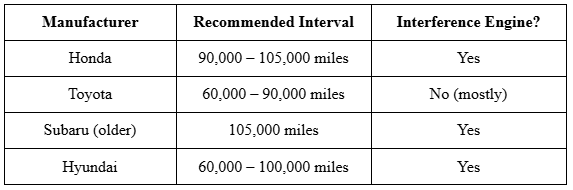
Belts are quieter and lighter, often requiring replacement every 60,000–100,000 miles, depending on the manufacturer. Always refer to the vehicle’s maintenance schedule for accurate timing.
Visual Table: Timing Belt Replacement Recommendations
FAQs
Q: How often should I replace a timing belt?
A: Most manufacturers recommend replacing it between 60,000 and 100,000 miles, but always check your owner's manual for vehicle-specific intervals.
Q: What happens if a timing belt breaks while driving?
A: In an interference engine, a broken belt can cause pistons to crash into valves, leading to major engine damage. In a non-interference engine, the engine will stop running, but internal damage is unlikely.
Q: Can a timing belt be inspected visually?
A: In some cases, yes—especially during major services. Mechanics can remove timing covers and check for cracks, frays, or signs of wear.
Q: Is it necessary to replace the water pump with the timing belt?
A: Often, yes. Since the water pump is located behind the same covers, replacing both together saves labor and ensures reliability.
Q: Are timing belt replacements expensive?
A: It depends on the vehicle, but while the replacement cost might seem high, it is significantly cheaper than repairing engine damage caused by belt failure.
Conclusion
The timing belt is a critical engine component that ensures the harmony of internal parts. When it fails, it can lead to serious engine damage and costly repairs. By paying attention to symptoms like ticking noises, misfires, oil leaks, or difficulty starting, you can act early and avoid breakdowns.
Staying on top of maintenance and understanding your car's timing belt replacement interval is the best protection. Routine inspections and proactive replacement can keep your vehicle running smoothly and help you avoid sudden, expensive repairs down the road.
About the Creator
Enjoyed the story? Support the Creator.
Subscribe for free to receive all their stories in your feed.
Comments
There are no comments for this story
Be the first to respond and start the conversation.