
5 Tips for Maintaining Mental Health in a Stressful Workplace
"Tips and Strategies for Nurturing Your Mind and Emotions"

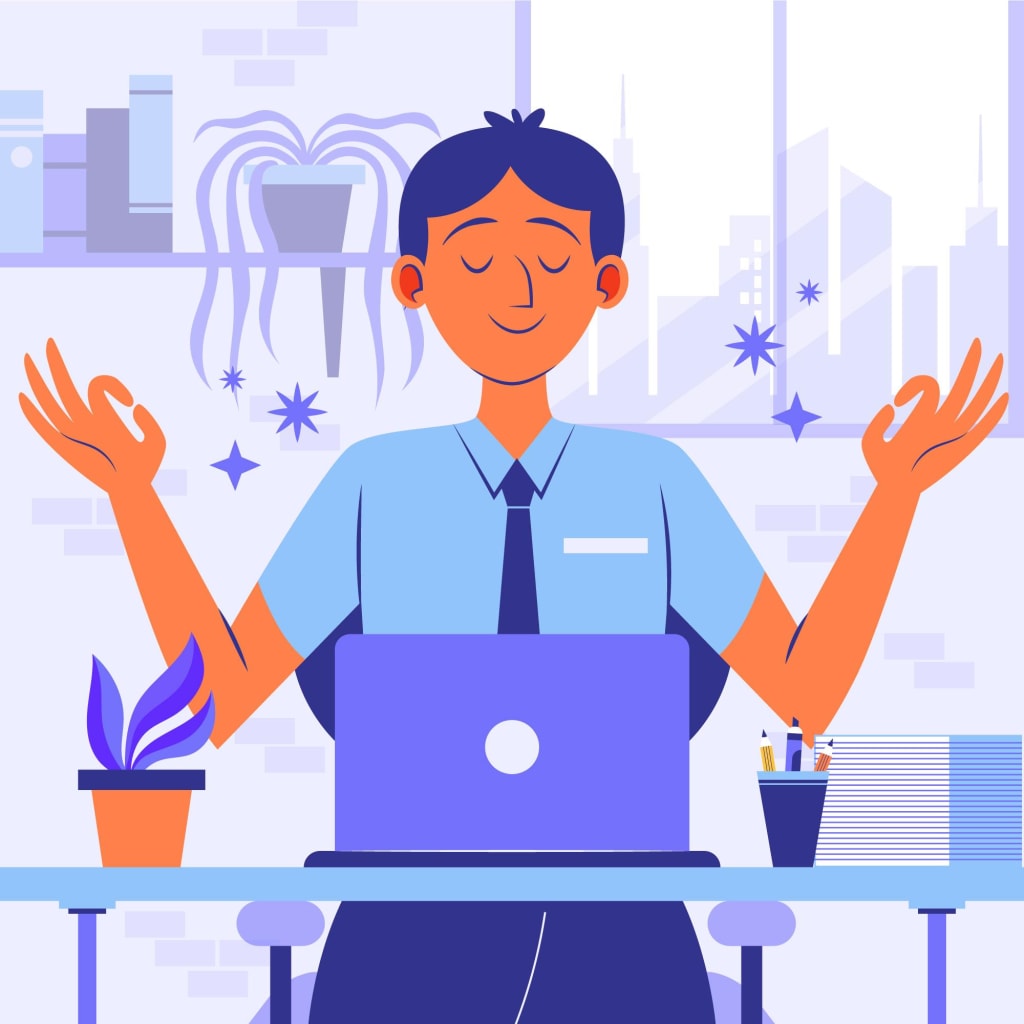
Take Regular Breaks:
One of the best ways to maintain mental health in a stressful workplace is to take regular breaks. This could mean stepping away from your desk for a few minutes to stretch your legs or taking a longer lunch break to go for a walk outside. Regular breaks can help to clear your mind and reduce feelings of stress and anxiety.

Practice Mindfulness:
Mindfulness is a technique that involves focusing on the present moment without judgement. It can be a great way to reduce stress and improve mental health in a stressful workplace. You could try practicing mindfulness during your breaks, or even during work tasks such as writing emails or attending meetings. Joyful living is the art of experiencing happiness and contentment in every moment of life. It involves living in the present, cherishing the small things, and finding joy in every aspect of life. When we choose to live joyfully, we create a positive and fulfilling life for ourselves and those around us.

Exercise Regularly:
Daily exercise is an important part of a healthy lifestyle. Regular physical activity can help improve cardiovascular health, boost the immune system, reduce stress and anxiety, and improve overall well-being. Exercise doesn't have to be strenuous or time-consuming to be effective. Even short, 20-30 minute workouts can provide benefits. Finding activities that are enjoyable and sustainable, such as walking, jogging, swimming, or yoga, can make it easier to stick to a daily exercise routine. Prioritizing exercise in daily life can lead to increased energy, improved mood, and a stronger, healthier body. Regular exercise is not only good for physical health, but it can also have a positive impact on mental health. Exercise can help to reduce feelings of stress and anxiety, and improve mood and overall wellbeing. Even a short walk or some gentle stretching during your break can be beneficial.

Connect with Others:
Feeling connected to others can be a great way to boost mental health in a stressful workplace. You could try organising a social event with colleagues, or simply taking the time to chat with your coworkers during breaks. Feeling part of a supportive community can help to reduce feelings of stress and isolation.

Seek Support:
If you are struggling with your mental health in a stressful workplace, it is important to seek support. This could mean speaking to a colleague, HR representative or seeking professional help from a therapist or counsellor. Remember that it is okay to ask for help and support when you need it.
The truth is, seeking help for mental health issues is a sign of strength and courage. It shows that you are taking responsibility for your well-being and taking proactive steps towards improving your mental health. There is no shame in needing help, and there are many resources available to support individuals struggling with mental health issues.One of the most effective ways to seek help is by talking to a mental health professional. This could be a therapist, counselor, or psychologist who can provide a safe, non-judgmental space to discuss your feelings and concerns. Mental health professionals are trained to help individuals identify and manage mental health issues, and they can offer strategies and tools to help improve mental well-being.
In addition to seeking help from a mental health professional, individuals can also reach out to friends and family for support. Talking to a trusted friend or family member can be a great way to get emotional support and guidance. They can offer a listening ear, provide reassurance, and offer practical advice.

Another way to manage stress is to exercise regularly. Physical activity has been shown to reduce the symptoms of stress by releasing endorphins, improving mood, and promoting relaxation. It is also important to get enough rest and sleep, as fatigue can exacerbate stress and make it more difficult to cope with challenges.
In addition, maintaining a healthy lifestyle by eating a balanced diet, avoiding excessive alcohol consumption, and reducing caffeine intake can also help manage stress. It is important to identify the sources of stress in your life and take steps to address them, such as setting boundaries, practicing time management, or seeking support from loved ones or a mental health professional.
Overall, managing stress is essential for maintaining good mental and physical health. By incorporating relaxation techniques, exercise, healthy lifestyle habits, and effective stress management strategies into your daily routine, you can reduce the impact of stress and live a more balanced and fulfilling life.
About the Creator
Vishal Marali
My interest involves searching, evaluating, and synthesizing information from various online sources.
Enjoyed the story? Support the Creator.
Subscribe for free to receive all their stories in your feed.
Comments
There are no comments for this story
Be the first to respond and start the conversation.