
5 Signs Your Partner Is Lying to You and How to Handle It
How to Spot Lies in Your Relationship and Deal with Them
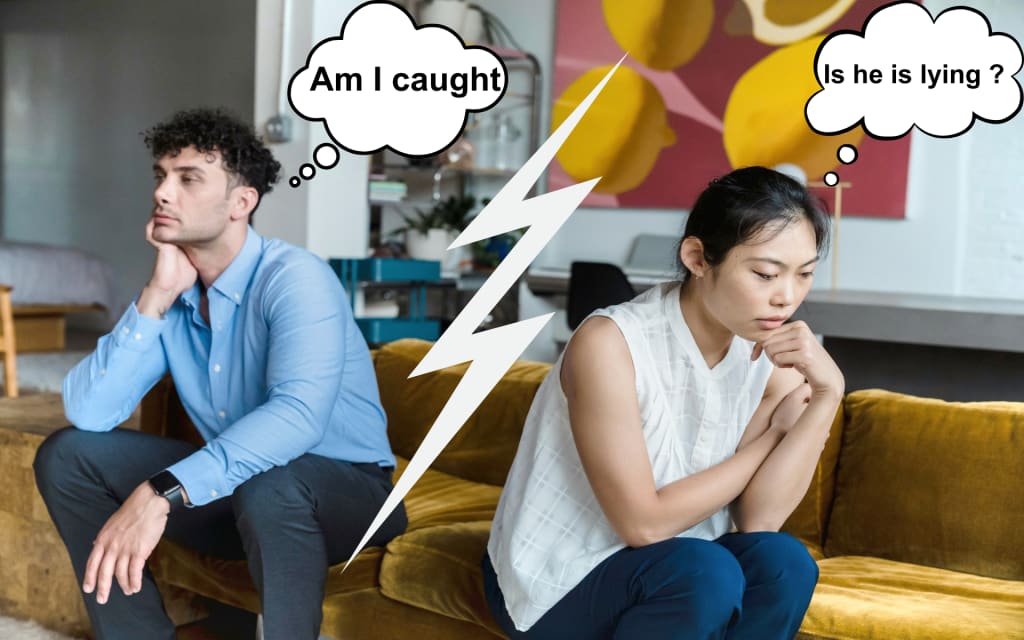
Trust is the very premise any healthy relationship rests upon. So what do you do when you get a feeling your partner isn't truthful? Saying something can be done to break the trust is lying, be it for such small things or the major issues. But before jumping to conclusions, one needs to understand signs of dishonesty and how to face the situation rationally. In this article, we’ll discuss five common signs your partner might be lying and offer practical ways to deal with it. 1. They avoid eye contact or make too much of it. Even a person's body language can oftentimes expose them to being a liar. For example, they avoid eye contact due to feelings of guilt or nervousness. In contrast, some attempt to overdo it by continually maintaining eye contact to appear sincere. How to Handle It: Observe their behaviour for other conversations before accusing them. Do they only avoid eye contact when talking about a particular topic? Calmly ask open-ended questions to give them a chance to talk themselves out without being defensive. 2. They give confusing or inconsistent stories. Liars often struggle to keep their stories straight. If your partner's explanations do not add up or keep changing details, it may well be a sign that they have something to hide. For example, they mention that they were with a friend at one time but later mention being at another place. How to Handle It: Ask for clarification in a non-confrontational way. For example, say, "I'm a bit confused about what you said earlier. Can you explain it again?" Sometimes, a mix-up might be a genuine mistake, so give them the benefit of the doubt at first. 3. They get defensive or angry quickly. A person who feels trapped would lash at you through anger or defensiveness, especially if they were lying. Instead of remaining calm when addressing your questions, they may tell you that you are too suspicious or even turn the accusation around to you. How to Handle It: Remain calm and do not yell at them. Tell them that you are not pointing fingers but want to understand the issue better. Then, for instance, say, "I am not trying to upset you; I just want us to be honest with each other." 4. They avoid certain topics or change the subject. When a person lies, he may be directing the conversation away from that specific subject to avoid being caught. If your partner swiftly changes the subject or declines to answer certain questions, it may be a sign that he is lying. How to Handle It: Guide the conversation back to the topic gently without making them feel coerced. For instance, you can say, "I noticed you didn't answer my question earlier. Can we talk about it now?" This suggests that you are paying attention and appreciate open communication. 5. Their body language doesn't match their words. Generally, non-verbal communication, including fidgeting, sweating, or avoiding touch, indicates that a person is uncomfortable or lying. For example, they may express happiness but have a stiff expression and arms crossed. How to deal with it: Pay attention to these signs, but don't solely rely on body language to accuse them. Combine what you notice with their words and actions. Approach them kindly and say, "You seem a little tense. Is everything all right?" This allows them to open up without feeling judged. What to Do If You Catch Them Lying If you’re confident that your partner is lying, it’s important to address it constructively. Here are some steps to take: 1. Stay Calm: Reacting with anger or frustration can escalate the situation. Take a deep breath and approach the conversation with a calm mindset. 2. Pick the Right Time: You should discuss your issue when you're relaxed and can actually concentrate on talking to each other. Never bring up this topic when you both are arguing or while you are feeling stressed. 3. Express your feelings honestly: Use "I" statements to tell them what you feel. For example, say, "I feel hurt when I think you're not being honest with me." It focuses on your feelings rather than accusing them. 4. Hear Them Out: Let them talk. Sometimes, people lie out of fear, insecurity, or misunderstanding rather than bad intent. 5. Decide What Comes Next: After talking, you can choose to rebuild the bridges of trust that lie broken or whether the lie did in fact cause irreparable damage to the relationship. How to Rebuild the Relationship and Regain Trust If both of you want to work on this relationship, rebuilding trust is not impossible. Here's how: Open Communication: Encouraging honest conversations without fear of judgment. Set Boundaries: Agree on what honesty looks like in your relationship and holding each other accountable. Be Patient: Rebuilding trust is not something that can be rushed, so go with the flow. Show consistency and effort. Of course, everyone commits mistakes, but lying can deteriorate even the strongest relationship. That's why it's really important to identify the signs and address those signs with care so that trust and respect aren't lost. If handled calmly and with understanding, you may find that your relationship becomes stronger even after the tough times. Remember, honesty is a two-way street. If you want honesty from your partner, then be ready to offer the same in return. A strong relationship is built on mutual respect, understanding, and trust.
About the Creator
Enjoyed the story? Support the Creator.
Subscribe for free to receive all their stories in your feed.
Comments
There are no comments for this story
Be the first to respond and start the conversation.