
5 Beginner tips for Keto meal success
Read this article to learn more...
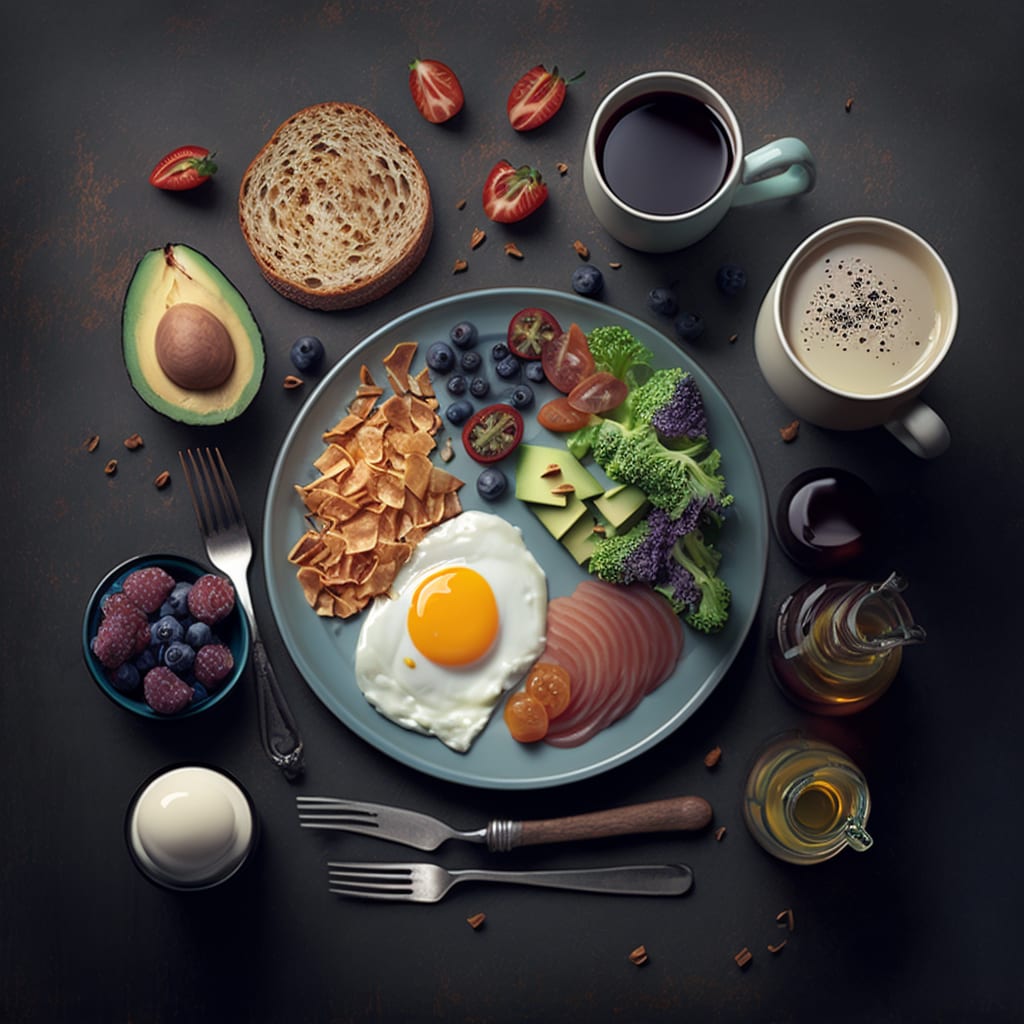
Are you looking for 5 beginner tips for keto meal success? If so, you’ve come to the right place! Following the keto diet can be intimidating and challenging for newbies, but it doesn’t have to be. With the right advice and strategy, you can succeed with this high-fat, low-carb diet and reach your health and fitness goals. In this blog post, we’ll provide 5 beginner tips for keto meal success that will set you up for long-term success. Read on to learn more!
1) Start with breakfast
When it comes to starting a keto diet, breakfast is a great place to begin. Not only does eating breakfast help kickstart your metabolism for the day, but it can also help you stay on track with your keto goals. When planning a keto-friendly breakfast, focus on incorporating healthy fats and protein. Some ideas to get you started include bacon and eggs, a smoothie with almond butter and coconut oil, or an avocado toast. Aim for about 20-30 grams of protein per meal and be mindful of carbs in your food choices. Avoid processed foods, as they tend to be higher in carbs and lower in nutrients. Try to stick to whole foods that are nutrient-dense, like grass-fed meats, organic eggs, and fresh veggies. With a little planning and preparation, you can easily create delicious and nutritious breakfast options that will help keep you on track with your keto diet.
2) Incorporate healthy fats
When it comes to the keto diet, fats are your friends! Healthy fats are an important part of a balanced keto diet, providing your body with energy and helping you feel satiated. Aim to get about 60-80% of your daily calories from healthy fats. Some of the best sources of healthy fats for keto include avocado, olive oil, coconut oil, nuts and seeds.
When choosing fats, opt for minimally processed options. If you’re buying packaged foods, check the nutrition label to make sure they are low in added sugars, trans fats, and sodium. Try to avoid highly processed options like fried food and margarine.
Getting enough healthy fats is also essential for getting enough essential fatty acids. These are important for optimal brain health and should be included in your diet. Make sure to get a variety of healthy fats from plant-based sources like flaxseed, walnuts, chia seeds, pumpkin seeds and hemp seeds.
Including healthy fats into your meals and snacks can help keep you feeling full for longer and add flavor to your meals. Try adding chopped nuts or seeds to salads or breakfast bowls, use olive oil in dressings or sauces, spread nut butter on toast, or top oatmeal with chia seeds and coconut milk.
3) Get enough protein
Protein is an important part of a keto diet, and it can help you maintain your muscle mass while losing weight. To get enough protein, focus on eating lean proteins such as chicken, fish, lean beef, eggs, and nuts. Avoid processed meats such as hot dogs and sausages, as they are high in fat and sodium. If you’re vegetarian or vegan, consider incorporating plant-based proteins such as lentils, tofu, tempeh, and edamame. To make sure you’re getting enough protein in your diet, try to eat at least one source of lean protein with every meal.
4) Vary your veggies
Vegetables are an essential part of the keto diet, providing important vitamins and minerals while also keeping you full. However, it's easy to fall into a vegetable rut, eating the same greens and cruciferous veggies day after day. To make sure you're getting a variety of beneficial plant-based nutrients, try to vary your veggies as much as possible. Experiment with new vegetables such as okra, celeriac, artichoke hearts, and kohlrabi, and incorporate plenty of leafy greens like spinach, kale, and Swiss chard. Roast, sauté, steam, or stir-fry your vegetables for an even bigger boost in flavor. Don't forget about low-carb fruits like tomatoes, cucumbers, peppers, and avocados as well! Eating a diverse selection of veggies will help you stay on track with your keto meal plan.
5) Keep it simple
The ketogenic diet can be overwhelming for beginners and figuring out the right meals to eat can be a challenge. The best way to start is to keep your meals simple. Start with 3-4 basic ingredients that you like, such as eggs, spinach, and avocado. Once you get used to the basics of the diet, you can start to experiment with more complex recipes.
Remember, the focus of the ketogenic diet is on high-fat and low-carb foods, so make sure you get enough healthy fats in each meal. You can do this by adding butter, ghee, olive oil, coconut oil, or avocado oil to your meals. Avoid processed foods as much as possible and opt for fresh, whole foods.
Don't stress too much about measuring out exact amounts of each ingredient - it's not necessary. Instead, try to focus on eating real, unprocessed foods and getting enough healthy fats in each meal. With time and practice, you'll get the hang of eating keto-friendly meals and snacks.
If you want to learn #1 way to master your diet,Click here Now.
About the Creator
Enjoyed the story? Support the Creator.
Subscribe for free to receive all their stories in your feed.
Comments
There are no comments for this story
Be the first to respond and start the conversation.