
3PL Warehouse Management System: Components, Pros, & Best Practices
Streamlining Logistics for Efficiency and Success

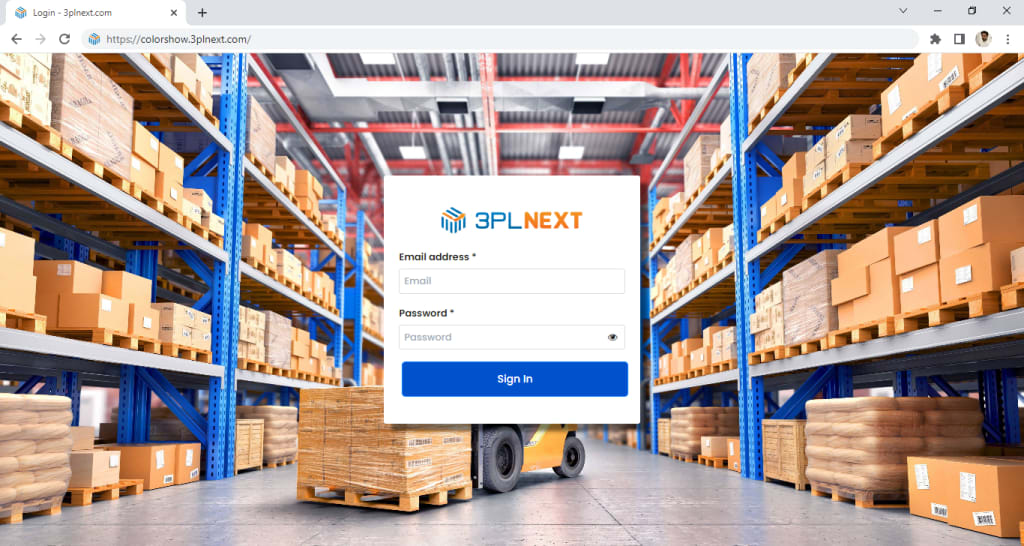
In the ever-evolving world of logistics, effective management of warehouses plays a pivotal role in maintaining a seamless supply chain. To meet the growing demands of global commerce, businesses often turn to third-party logistics (3PL) providers, who offer specialized expertise and infrastructure for efficient warehousing and distribution. A key tool in their arsenal is the 3PL Warehouse Management System (WMS).
In this article, we will explore the concept, features, benefits, and implementation of a 3PL WMS, highlighting its crucial role in optimizing logistics operations.
1.1 What is 3PL Warehouse Management System?
The 3PL Warehouse Management System (also known as third party logistics software) refers to a software solution designed to support the management and control of warehouse activities for third-party logistics providers. It encompasses various functionalities, including inventory management, order fulfillment, picking and packing, transportation management, and real-time tracking.
1.2 Key Components
Inventory Management: The 3PL WMS enables accurate tracking of inventory levels, locations, and movements, allowing for efficient stock management and replenishment.
Order Management: It streamlines the order fulfillment process, from order entry to dispatch, by automating tasks such as order allocation, wave picking, and packing.
Labor Management: The system optimizes labor resources by providing insights into workforce productivity, workload balancing, and performance monitoring.
Reporting and Analytics: 3PL WMS offers comprehensive reporting capabilities, generating insights on key performance indicators (KPIs) to identify areas for improvement and make data-driven decisions.
II. Benefits of Implementing a 3PL WMS
2.1 Enhanced Operational Efficiency
By automating and optimizing warehouse processes, a 3PL WMS significantly improves operational efficiency. Real-time visibility into inventory levels, location tracking, and order statuses eliminates manual errors, reduces paperwork, and enhances accuracy.
2.2 Inventory Optimization
The advanced inventory management features of a 3PL WMS enable precise tracking of stock levels, reducing the risk of overstocking or stockouts. Optimized inventory levels lead to improved order fulfillment rates, minimized holding costs, and better utilization of warehouse space.
2.3 Streamlined Order Fulfillment
With its order management capabilities, a 3PL WMS simplifies the order fulfillment process. It facilitates efficient order picking, packing, and shipping, ensuring timely and accurate deliveries. The system also allows for better coordination with transporters and carriers, leading to improved customer satisfaction.
2.4 Improved Visibility and Traceability
Real-time tracking and reporting functionalities of a 3PL WMS provide stakeholders with comprehensive visibility and traceability throughout the supply chain. This transparency enables proactive decision-making, effective demand planning, and better collaboration with suppliers, customers, and partners.
2.5 Scalability and Flexibility
As businesses expand or experience seasonal fluctuations, a 3PL WMS offers the flexibility to adapt to changing requirements. The system can handle increased order volumes, accommodate new product lines, and integrate with other enterprise systems, ensuring scalability and seamless growth.
III. Implementing a 3PL WMS: Key Considerations
3.1 Assessing Business Requirements
Before implementing a 3PL WMS, it is crucial to assess specific business needs and align them with the capabilities of the chosen system. Key considerations include warehouse size, volume of orders, inventory complexity, integration requirements, and scalability.
3.2 Selecting the Right System
Choosing the appropriate 3PL WMS involves evaluating various vendors and software options. Factors to consider include system functionality, ease of integration, customization capabilities, user-friendliness, vendor support, and cost-effectiveness.
3.3 Integration with Existing Systems
When implementing a 3PL WMS, it is essential to consider the compatibility and integration with existing systems within the organization. The WMS should seamlessly integrate with other enterprise systems, such as enterprise resource planning (ERP) software, transportation management systems (TMS), and customer relationship management (CRM) platforms. This integration ensures smooth data flow and eliminates data silos, enabling efficient communication and collaboration between different departments.
3.4 Training and Change Management
A successful implementation of a 3PL WMS requires proper training and change management processes. Training sessions should be conducted to familiarize warehouse staff and stakeholders with the new system's features and functionalities. Clear communication about the benefits of the system and its impact on workflows is crucial to gain employee buy-in and ensure a smooth transition.
3.5 Testing and Piloting
Before fully deploying the 3PL WMS across the organization, it is recommended to conduct thorough testing and piloting. This allows for identifying and addressing any potential issues or bugs, fine-tuning the system configuration, and ensuring its seamless integration with existing processes. Piloting the system in a controlled environment can help validate its effectiveness and gather feedback for further enhancements.
IV. Best Practices for Maximizing the Benefits of a 3PL WMS
4.1 Regular System Maintenance and Updates
To ensure the optimal performance of a 3PL WMS, regular system maintenance, updates, and patches are essential. Keeping the system up to date with the latest software versions and security patches helps mitigate vulnerabilities and ensures compatibility with evolving technologies.
4.2 Continuous Process Improvement
Implementing a 3PL WMS is an opportunity to evaluate and improve existing warehouse processes. Regularly analyze KPIs and metrics provided by the system to identify areas for improvement, such as reducing order processing time, minimizing errors, or optimizing labor utilization. Continuous process improvement ensures ongoing efficiency gains and operational excellence.
4.3 Collaboration and Communication
A 3PL WMS facilitates collaboration and communication between stakeholders involved in the supply chain. It is crucial to establish clear communication channels and foster collaboration between the 3PL provider, suppliers, customers, and carriers. Regular communication, sharing of data and insights, and collaboration on demand forecasting and order management contribute to a smoother and more efficient supply chain.
4.4 Data Security and Compliance
As a repository of sensitive operational and customer data, a 3PL WMS must adhere to stringent data security measures. Implement robust security protocols, data encryption, access controls, and disaster recovery plans to safeguard the system and ensure compliance with industry regulations, such as the General Data Protection Regulation (GDPR) or the Health Insurance Portability and Accountability Act (HIPAA).
Conclusion:
In the dynamic world of logistics, a 3PL Warehouse Management System (3PL WMS) plays a vital role in streamlining warehouse operations and optimizing supply chain management. By leveraging its comprehensive functionalities, businesses and third-party logistics providers can enhance operational efficiency, achieve inventory optimization, streamline order fulfillment processes, improve visibility and traceability, and achieve scalability and flexibility.
However, successful implementation requires careful consideration of business requirements, selecting the right system, integration with existing systems, training, and change management. By following best practices and continually refining processes, organizations can maximize the benefits of a 3PL WMS, ensuring a competitive edge in the fast-paced logistics landscape.
About the Creator
3PLNext
Optimize your warehouse and streamline your supply chain with 3PL Next's powerful 3PL software and Cloud WMS integration. Boost efficiency and maximize productivity today!
Enjoyed the story? Support the Creator.
Subscribe for free to receive all their stories in your feed.
Comments
There are no comments for this story
Be the first to respond and start the conversation.