
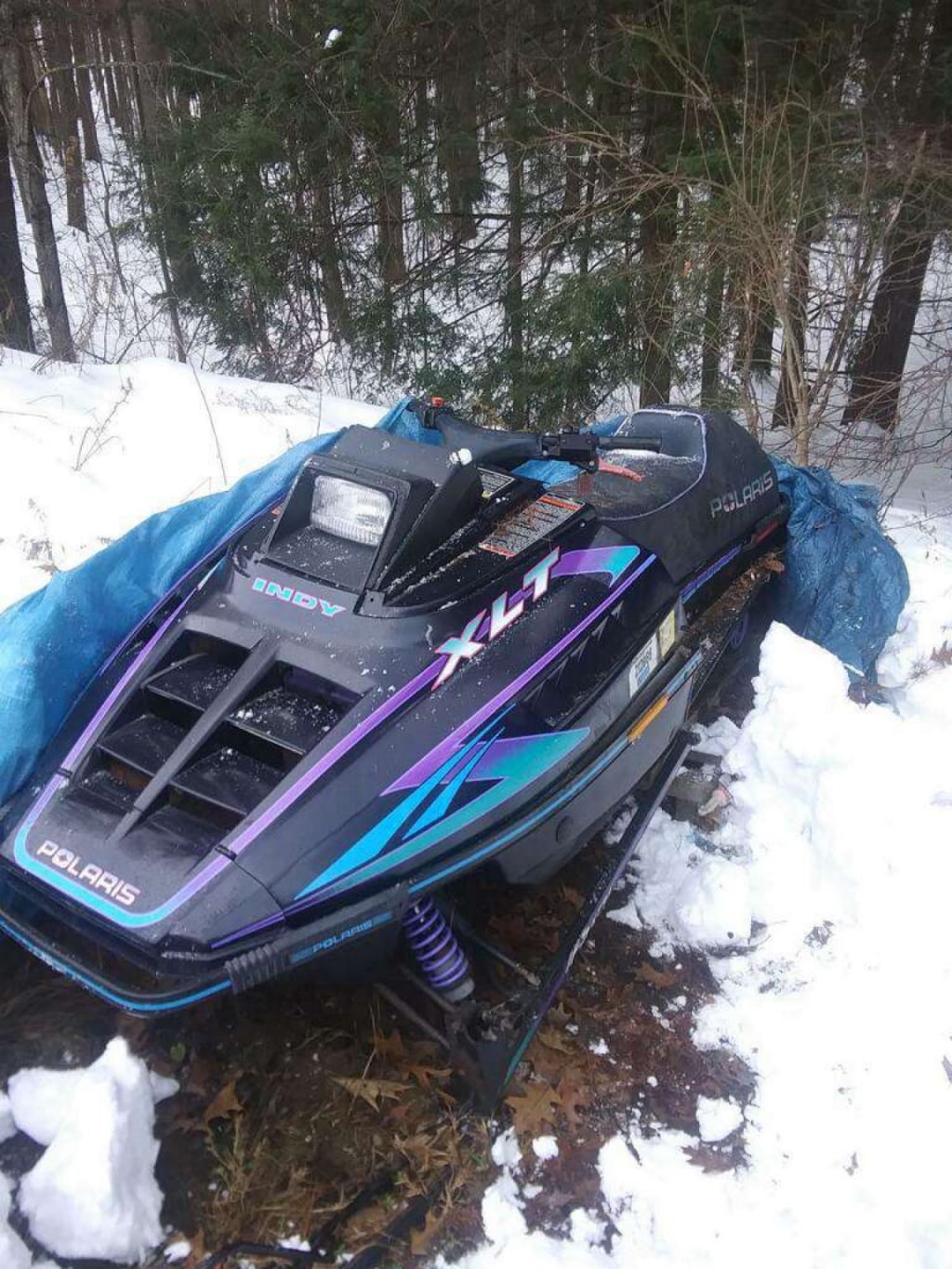
The 1999 Polaris XLT was available in several variations, including the XLT Classic, XLT Touring, and XLT SP. Here are some general specifications for the 1999 Polaris XLT Classic:
Engine: 599cc liquid-cooled, triple-cylinder engine with variable exhaust
Horsepower: approximately 100 hp
Fuel system: Triple 40mm VM Mikuni carburetors
Ignition: Digital CDI with throttle position sensor
Suspension: Front: Polaris XTRA-10 suspension with Ryde FX shocks; Rear: Polaris XTRA-10 suspension with Ryde FX shocks
Track: 15" x 133" x 0.91" Camoplast
Dimensions: 108" x 48" x 46"
Dry weight: approximately 530 pounds
Fuel capacity: 12 gallons
Brake system: Hydraulic disc brake on the front and hydraulic brake on the rear
Electrical system: 12-volt DC
Note that the specifications may vary depending on the specific model and variation of the 1999 Polaris XLT.
The Polaris XLT was a snowmobile model produced by Polaris Industries from 1993 to 1999. The 1999 Polaris XLT was one of the last models in the XLT line, and it was a popular choice among snowmobilers due to its reliable engine and versatile performance. In this blog post, we will take a closer look at the 1999 Polaris XLT and explore its key features, performance, and overall impact on the snowmobiling industry.
Design and Features
The 1999 Polaris XLT was designed to provide an optimal balance between speed, power, and maneuverability. It was equipped with a liquid-cooled, triple-cylinder engine that could produce up to 600cc of power. The engine was mounted on a lightweight chassis that was made of aluminum, which helped to reduce the overall weight of the snowmobile and improve its handling.
One of the key features of the 1999 Polaris XLT was its advanced suspension system. It was equipped with the Polaris XTRA-10 suspension, which had a longer travel range and better shock absorption compared to previous models. This allowed riders to handle rough terrain with ease and provided a smoother ride overall.
The 1999 Polaris XLT also came with several other features that were designed to enhance the rider's experience. It had a comfortable seat with a backrest, a windshield to protect the rider from wind and snow, and hand warmers to keep the rider's hands warm in cold weather. The snowmobile also had a large fuel tank, which provided a longer riding range and reduced the need for frequent refueling.
Performance
The 1999 Polaris XLT was known for its impressive performance on the snow. It had a top speed of around 90 mph, which made it one of the fastest snowmobiles on the market at the time. The snowmobile's engine was capable of producing up to 110 horsepower, which provided plenty of power for riders to navigate through deep snow and steep hills.
The snowmobile's suspension system also contributed to its impressive performance. The Polaris XTRA-10 suspension provided better shock absorption and improved handling, allowing riders to tackle rough terrain with ease. The snowmobile's lightweight chassis and agile steering also made it easy to maneuver in tight spaces and at high speeds.
Overall Impact
The 1999 Polaris XLT was a significant model for Polaris Industries and the snowmobiling industry as a whole. It represented a significant improvement over previous models, with advanced features and better performance capabilities. The snowmobile's design and features set a new standard for the industry, and it became a popular choice among snowmobilers.
The 1999 Polaris XLT was also significant because it marked the end of the XLT line. Polaris Industries decided to discontinue the XLT line in favor of newer models with more advanced features and technology. While the XLT line may be gone, it remains a beloved part of snowmobiling history and continues to be remembered fondly by enthusiasts.
Conclusion
The 1999 Polaris XLT was a significant snowmobile model that offered impressive performance and advanced features for its time. Its lightweight chassis, powerful engine, and advanced suspension system made it a popular choice among snowmobilers, and its impact on the snowmobiling industry cannot be overstated. Although the XLT line may no longer be in production, its legacy lives on through the memories and experiences of those who rode and loved it.
About the Creator
Enjoyed the story? Support the Creator.
Subscribe for free to receive all their stories in your feed.
Comments