
10 Ways to Manage Anxiety Naturally in Your Daily Life
Anxiety
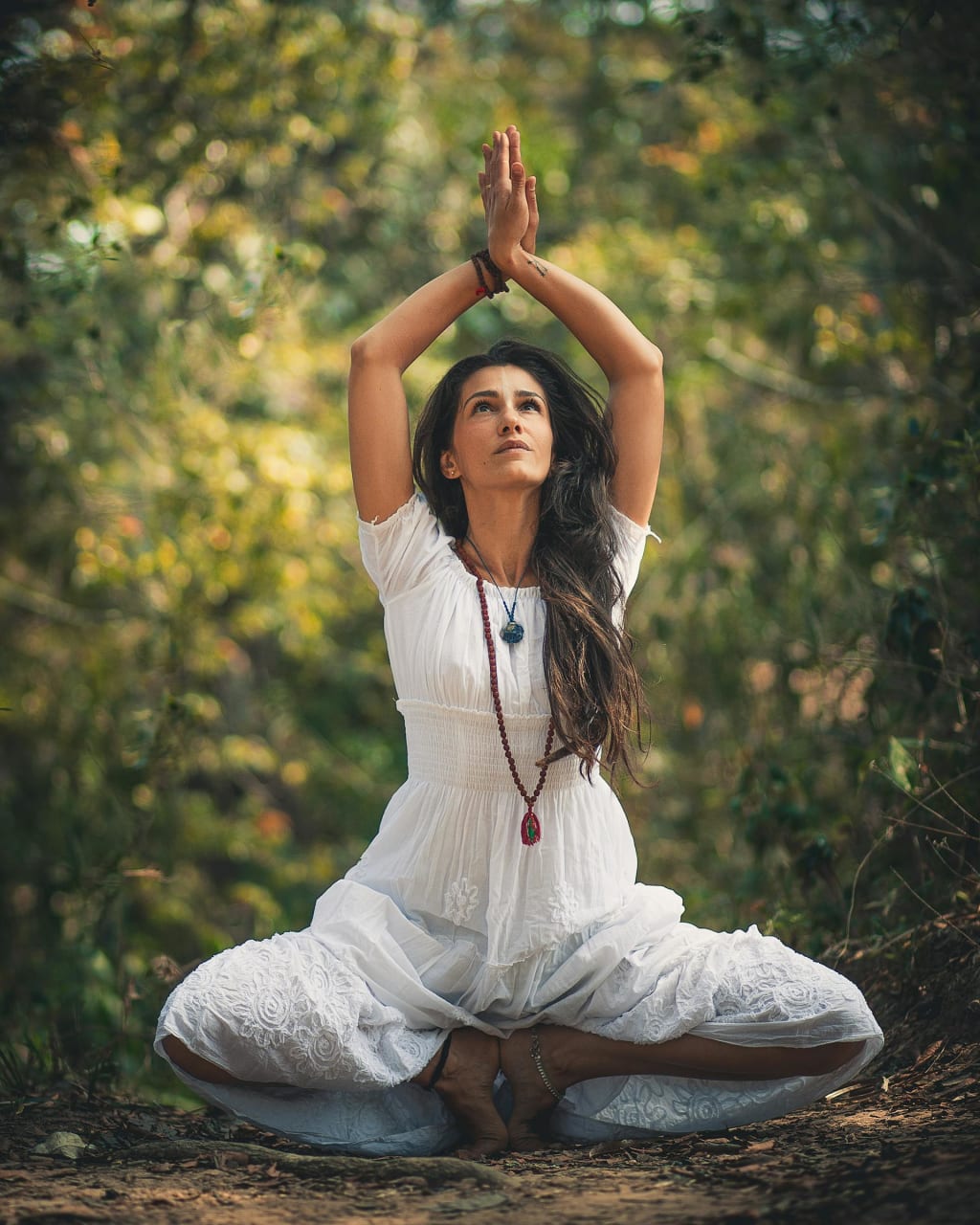
Anxiety is something we all experience from time to time. Whether it's work-related stress, financial worries, or personal life challenges, anxiety can affect your mental and physical well-being. While there are many ways to manage anxiety, natural methods are often preferred due to their holistic benefits and minimal side effects. Here are ten practical, natural strategies that can help you manage anxiety and reduce stress on a daily basis.
1. Practice Deep Breathing Techniques
Deep breathing is one of the simplest yet most effective ways to calm anxiety instantly. When anxious, our breathing tends to become shallow, which can increase feelings of stress. Practicing deep breathing exercises, such as the 4-7-8 technique (inhale for 4 seconds, hold for 7, exhale for 8), helps slow down the heart rate and promotes a sense of calm. Start with five minutes a day and gradually increase as it becomes part of your routine.
2. Incorporate Mindfulness Meditation into Your Day
Mindfulness meditation is a powerful tool for managing anxiety. By focusing on the present moment and observing your thoughts without judgment, you can help reduce stress and manage anxious feelings. There are many guided meditation apps available, such as Headspace and Calm, that can guide you through this practice. Even just 10 minutes a day can make a big difference in how you respond to anxiety triggers.
3. Stay Active with Regular Exercise
Exercise is known to release endorphins, which are natural mood lifters. Regular physical activity, whether it's a brisk walk, yoga, or dancing, can help reduce anxiety levels and improve your mental health. Aim for at least 30 minutes of physical activity daily to experience its anxiety-reducing effects. Remember, even small bursts of movement throughout the day can help.
4. Prioritize Sleep for Better Mental Health
Lack of sleep can worsen anxiety, creating a cycle of fatigue and stress. Aiming for 7-9 hours of quality sleep each night can make a big impact on your anxiety levels. Establishing a bedtime routine, such as avoiding screens an hour before bed, dimming the lights, and reading or meditating, can promote better sleep. Prioritizing sleep is essential for both mental clarity and emotional resilience.
5. Limit Caffeine and Sugar Intake
Caffeine and sugar can exacerbate anxiety symptoms due to their stimulating effects on the nervous system. While a cup of coffee in the morning is fine for most, excessive caffeine can make you feel jittery and increase your heart rate, mimicking symptoms of anxiety. Try switching to herbal teas like chamomile or peppermint, known for their calming effects.
6. Create a Journaling Habit to Process Emotions
Journaling can be a powerful outlet for anxious thoughts. By writing down your feelings, you can release pent-up emotions, reflect on the day, and identify anxiety triggers. Many people find that a daily gratitude journal helps shift their focus from stress to positive aspects of their lives. Try setting aside 10 minutes in the morning or evening to journal and watch how it transforms your mindset over time.
7. Connect with Nature to Recharge
Spending time in nature has been proven to reduce stress and anxiety. Being outdoors, whether it's a walk in the park, hiking, or gardening, can help soothe your mind. Nature therapy, often called "ecotherapy," has shown to improve mood and boost mental health. If possible, dedicate some time each week to outdoor activities to recharge and reset.
8. Practice Yoga for Physical and Mental Balance
Yoga combines physical movement with mindfulness, making it an ideal practice for those managing anxiety. Practicing yoga encourages you to stay present, focusing on your breath and movements, which can help reduce anxious thoughts. Styles such as Hatha and Restorative Yoga are particularly beneficial for anxiety relief as they emphasize relaxation and gentle stretching.
9. Use Aromatherapy to Soothe Your Senses
Aromatherapy is a natural way to manage anxiety by using essential oils with calming properties. Scents like lavender, chamomile, and bergamot are known to relieve stress and promote relaxation. You can use an essential oil diffuser, apply a few drops on your wrists, or add them to a bath for a soothing experience. Try experimenting with different scents to find what works best for you.
10. Engage in Social Connections for Emotional Support
Connecting with friends and loved ones can be a powerful way to reduce anxiety. Social support offers comfort and reassurance during stressful times. Talking to someone about your feelings can help you process them and feel less isolated. If you’re feeling anxious, consider reaching out to a friend or family member for a quick chat or even planning regular get-togethers to build a support system.
Final Thoughts
Managing anxiety naturally is not only possible but can be incredibly empowering. Each of these techniques—whether it's deep breathing, exercising, or simply spending time with friends—helps you take control of your mental health. Remember, consistency is key. The more you integrate these practices into your daily life, the more effective they will be in helping you manage anxiety and foster a calmer, more balanced mindset.
If you're looking for natural ways to reduce anxiety and improve mental wellness, these ten tips offer a comprehensive guide to start implementing today. By choosing methods that suit your lifestyle and committing to them regularly, you’ll likely see a significant improvement in your ability to manage anxiety.
About the Creator
Njoku Nnenna
Passionate about both healing and storytelling, I am a dedicated healthcare professional with a unique perspective on wellness that blends clinical expertise with the art of communication.
Enjoyed the story? Support the Creator.
Subscribe for free to receive all their stories in your feed.
Comments
There are no comments for this story
Be the first to respond and start the conversation.