Sustainability
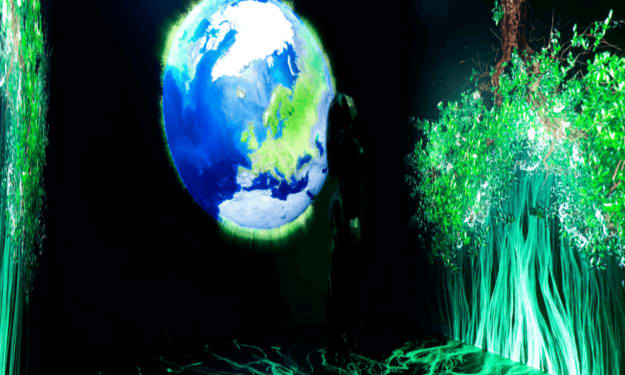
The Silent Countdown: Why Earth’s Last Breath Won’t Be from Climate or Comets” . AI-Generated.
In a world obsessed with end-of-the-world movies and sudden doomsday plots—climate catastrophe, AI takeovers, nuclear war, asteroid collisions—few have considered the possibility that the end would not arrive with a bang, but in a stifled gasp. A new study by Toho University in Japan, supported by NASA data, has placed a chilling new spin on Earth's distant future. It won't be fire or flood that will snuff out life as we know it, but the gradual and irreversible draining of oxygen.
By MD NAZIM UDDIN about a year ago in Earth
Building Resilience
Climate change is no longer a distant threat—it is here, affecting communities worldwide through extreme weather events, rising sea levels, and shifting ecosystems. While reducing greenhouse gas emissions remains crucial, we must also adapt to the changes that are already happening.
By Futoshi Tachinoabout a year ago in Earth
A Heartfelt Plea: Nurturing Voiceless Creatures in the Summer Heat
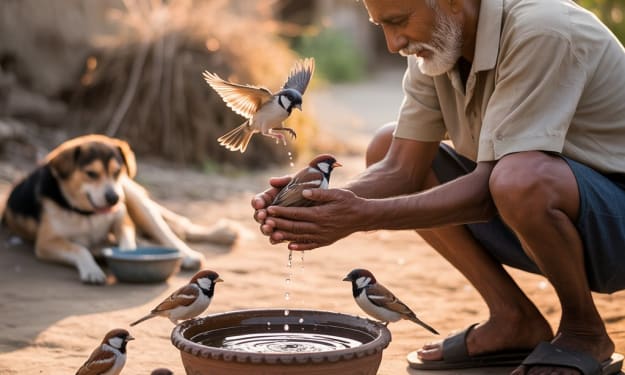
**A Compassionate Call to Care for Voiceless Creatures: Supporting Birds and Animals in the Scorching Heat** The image before us paints a heartwarming scene that speaks volumes about compassion, empathy, and humanity. An elderly man, dressed in traditional attire, kneels beside a water tap, gently holding a small metal container as water flows into it. Around him, small sparrows gather—some perched on his shoulder, others drinking from the container, and a few splashing in the tiny puddle formed on the ground. The setting is simple, rustic, with a mud wall and a bucket nearby, yet the message it conveys is profound and universal. In the sweltering heat of summer, when the sun blazes mercilessly, this image serves as a reminder of our duty to care for the voiceless creatures around us—birds and animals who suffer silently and depend on us for their survival. As the current date marks May 06, 2025, we find ourselves in the peak of summer in many parts of the world. The rising temperatures, often exceeding bearable limits, pose a severe challenge not only to humans but also to the countless birds and animals who lack the means to express their suffering. This 2000-word article aims to evoke emotions of compassion and inspire action, urging us to extend a helping hand to these innocent beings by ensuring their access to water, food, and other essential needs during this harsh season. ### The Plight of Birds and Animals in Summer Summer, with its unrelenting heat, transforms the environment into a hostile place for wildlife. Natural water sources such as ponds, rivers, and puddles dry up under the scorching sun, leaving birds and small animals struggling to find even a drop to quench their thirst. The lack of water leads to dehydration, which can be fatal, especially for smaller creatures like sparrows, squirrels, and stray dogs or cats. Birds, in particular, face immense challenges as they fly long distances in search of water, often exhausting themselves in the process. Many succumb to heatstroke or starvation, as the energy they expend in their search leaves them too weak to hunt for food. The image of the elderly man providing water to sparrows is a poignant reminder of the struggles these creatures face. Sparrows, once a common sight in urban and rural areas alike, are now dwindling in numbers due to habitat loss, pollution, and climate change. The heat exacerbates their plight, making survival a daily battle. Similarly, stray animals like dogs and cats, often overlooked in bustling cities, roam the streets in search of water and food, their tongues hanging out as they pant in desperation. The sight of a parched animal or a bird collapsing from exhaustion is heart-wrenching, and yet, it is a reality that unfolds around us every summer. ### The Emotional Connection: Why Compassion Matters Compassion is a fundamental human emotion that connects us to all living beings. When we see the elderly man in the image tenderly offering water to the sparrows, we are reminded of the innate kindness that resides within us. His actions are not driven by obligation but by a deep sense of empathy—a recognition that these small creatures, though voiceless, feel thirst, hunger, and pain just as we do. The sparrows, with their tiny beaks dipping into the water, symbolize trust. They have placed their faith in this man, and in doing so, they remind us of the sacred bond between humans and nature. Caring for birds and animals in the summer is not just an act of kindness; it is an expression of our humanity. When we provide water to a thirsty bird or food to a hungry stray, we experience a profound sense of fulfillment. The joy of watching a sparrow splash in a puddle or a dog wag its tail after a meal is unparalleled. These small acts of compassion ripple outward, fostering a sense of community and shared responsibility. They teach us to be mindful of the world around us, to listen to the silent cries of those who cannot speak, and to act with love and care. ### Providing Water: A Lifeline for Survival The most immediate and critical need for birds and animals in summer is access to clean, fresh water. The elderly man in the image sets a perfect example by using a simple metal container to collect water from a tap and offer it to the sparrows. This small gesture can be replicated by each one of us, regardless of where we live or how busy our lives may be. To provide water for birds, place shallow containers or bowls filled with water in your garden, balcony, or terrace. Ensure that the containers are not too deep, as smaller birds like sparrows can drown in deep water. Adding a few pebbles or stones to the container can give birds a place to perch while they drink or bathe. For animals like stray dogs and cats, place water bowls in shaded areas near your home or in public spaces where they are likely to pass by. It’s essential to check and refill these containers daily, as water evaporates quickly in the heat, and stagnant water can become a breeding ground for mosquitoes or bacteria. In rural areas, where natural water sources are scarce, you can take inspiration from the image and use a tap or a bucket to create a small watering station. In urban settings, where concrete jungles dominate, placing water bowls on rooftops or near trees can attract birds and provide them with a much-needed respite. The key is to make water accessible and safe, ensuring that these creatures can hydrate without risking their lives. ### Ensuring Food: Nourishing the Hungry While water is a priority, food is equally essential for the survival of birds and animals during summer. The heat often disrupts their natural feeding patterns, as insects and seeds become harder to find. Birds, especially, struggle to find enough food to sustain themselves and their young ones. Stray animals, too, face scarcity, as garbage piles—their primary food source in cities—may not provide enough sustenance. For birds, you can create simple feeding stations alongside your water containers. Scatter grains like rice, millet, or seeds in a flat tray or on the ground in a safe area. Avoid feeding them processed or salty foods, as these can harm their delicate systems. Bread, for instance, may seem like a good option, but it lacks the nutrients birds need and can cause health issues. Instead, opt for natural foods that align with their diet. If you’re unsure, observe the birds in your area—sparrows, for example, love small grains and seeds, as depicted in the image where they gather around the elderly man. For stray animals, providing food can be as simple as leaving out leftovers like cooked rice, vegetables, or meat (without spices or salt). Many communities have started initiatives to feed strays, and you can join or start such efforts in your neighborhood. If you encounter an injured or malnourished animal, consider reaching out to local animal welfare organizations for support. Feeding strays not only helps them survive the heat but also builds a bond of trust, as they begin to recognize you as a source of care. ### Shelter and Safety: Protecting the Vulnerable Beyond water and food, birds and animals need shelter to escape the harsh sun. The heat can be particularly brutal for small creatures, causing heatstroke or exhaustion. Providing shade and safe spaces can make a significant difference in their survival. For birds, you can create makeshift shelters by placing wooden boxes or nesting materials in shaded areas. Planting trees or shrubs in your garden not only provides shade but also attracts birds by offering a natural habitat. In the image, the mud wall and the tap provide a shaded spot for the sparrows, illustrating how even the simplest structures can offer relief. For stray animals, ensure that they have access to shaded areas where they can rest. If you notice a dog or cat lying in the open sun, gently guide them to a cooler spot if possible. Avoid tying up animals in the heat, as this restricts their ability to seek shade. If you have the means, consider building a small shelter using cardboard or wood, placing it in a quiet corner where strays can feel secure. Safety is another critical aspect. When providing water and food, ensure that the area is free from predators or hazards. For example, keep water bowls away from busy roads to prevent accidents. Similarly, if you’re feeding birds, make sure the feeding area is not easily accessible to cats or other predators. The goal is to create a sanctuary where these creatures can eat, drink, and rest without fear. ### The Ripple Effect of Compassion The act of caring for birds and animals in summer goes beyond meeting their immediate needs—it creates a ripple effect that touches lives in unexpected ways. When you place a bowl of water on your balcony and see a sparrow drinking from it, you feel a sense of connection to nature. When you feed a stray dog and watch its tail wag in gratitude, you experience the joy of giving. These moments of compassion inspire others to follow suit, fostering a culture of kindness and empathy. In many cultures, feeding birds and animals is considered a noble act, often associated with spiritual growth and good karma. The elderly man in the image embodies this tradition, his weathered hands and gentle demeanor reflecting a life of wisdom and care. His actions remind us that compassion is timeless—it transcends age, culture, and circumstance. By following his example, we not only help the voiceless but also nurture our own souls. Moreover, involving children in these acts of kindness can instill values of empathy and responsibility from a young age. Encourage kids to help you fill water bowls or scatter grains for birds, teaching them the importance of caring for all living beings. These small lessons can shape their worldview, making them more compassionate and aware individuals. ### Community Efforts and Awareness While individual efforts are impactful, collective action can amplify the effect. Communities can come together to create larger initiatives for supporting birds and animals during summer. Organize awareness campaigns in your neighborhood, encouraging residents to set up water and feeding stations. Share tips on social media platforms, inspiring others to join the cause. In schools, teachers can educate students about the importance of helping wildlife, perhaps even organizing field activities where children can set up bird feeders or water stations. Local governments and organizations can also play a role by installing public water stations for strays in parks or busy areas. In some cities, volunteers have created “community fridges” for strays, where people can leave food and water for animals in need. Supporting such initiatives, whether through participation or donations, can make a significant difference. ### A Call to Action: Be the Change The image of the elderly man and the sparrows is more than just a picture—it’s a call to action. It urges us to step out of our comfort zones and extend a helping hand to the voiceless creatures around us. The summer of 2025 is here, and with it comes the responsibility to ensure that birds and animals do not suffer in silence. By providing water, food, shelter, and safety, we can give them a fighting chance to survive the heat. Let’s take inspiration from the man in the image and make compassion a part of our daily lives. Place a bowl of water on your balcony. Scatter some grains for the birds. Feed a stray dog in your street. Create a shaded spot for a tired animal to rest. These small acts of kindness can save lives and bring a smile to your face. More importantly, they remind us of our shared humanity and the interconnectedness of all life on this planet. As the sun blazes above, let’s be the shade for those who need it. Let’s be the water that quenches their thirst, the food that fills their bellies, and the shelter that keeps them safe. In doing so, we not only help the voiceless but also enrich our own lives with the beauty of compassion. The sparrows in the image are counting on us—let’s not let them down.
By Umair Ali Shah about a year ago in Earth
What Are Euro Pallets and Why They Matter in European Logistics
What Are Euro Pallets and Why Are They Standardized Across Europe? If you’ve ever worked in a warehouse, factory, or shipping yard — or even just seen the back of a delivery truck — you’ve probably come across a Euro pallet. They might look like ordinary wooden platforms, but there’s a reason these pallets are everywhere in Europe’s supply chains.
By braskinis sudasabout a year ago in Earth
Palestine-Israel latest war situation
The Current Situation in the Israel-Palestine Conflict (May 2025) The conflict between Israel and Palestine continues to be one of the most tragic and deeply rooted geopolitical crises of the modern era. The situation continues to rapidly evolve as of May 2025, particularly in the wake of the war that broke out in October 2023. While international diplomacy has been active, peace remains elusive, and the humanitarian toll continues to rise.
By Dr Sazidul about a year ago in Earth
A Telescope's Powerful New Tool May Offer a Better Way to Forecast Solar Storms
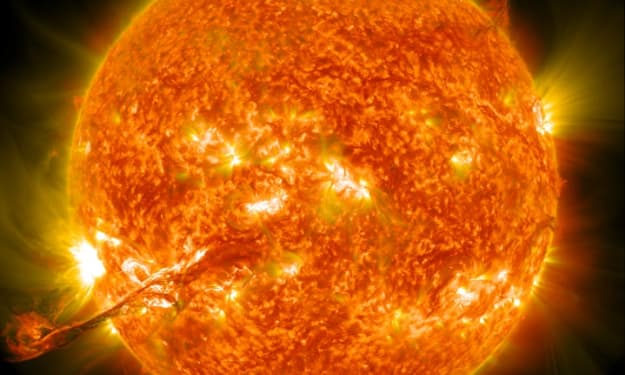
A Telescope's Powerful New Tool May Offer a Better Way to Forecast Solar Storms Solar storms, which are large eruptions of charged particles from the Sun, can have catastrophic consequences for Earth's power networks, satellites, and communication systems. Scientists have long struggled to make more accurate predictions about severe storms. However, a breakthrough in telescope technology could soon change this. A new technique linked into modern solar telescopes is revealing unprecedented insights into the Sun's magnetic activity, with the potential to revolutionize how we forecast solar storms.
By Sazid Rahman about a year ago in Earth
Clearly Water is Life
Clearly Water is Life Water is the essence of all life. From the smallest microorganism to the largest mammal, every living being relies on water to survive. It is not just a natural resource—it is the foundation of existence. The phrase “Clearly Water is Life” is more than a slogan; it is a truth that underpins the survival of the planet, the health of individuals, and the progress of civilization. In its clearest and purest form, water sustains ecosystems, drives agriculture, supports industries, and nurtures human health. At a biological level, water makes up about 60% of the human body. It is involved in every vital function—from regulating body temperature to aiding digestion, circulating nutrients, and eliminating toxins. Without access to clean, safe water, communities suffer from disease, dehydration, and death. Across the globe, millions of people still struggle to access safe drinking water, which underlines just how vital and yet often underappreciated this resource is. Where water is clean and abundant, societies flourish. Where it is scarce or contaminated, hardship and illness are common. Environmental sustainability also hinges on water. Forests, rivers, wetlands, and oceans depend on consistent water flow and clean sources. Aquatic life thrives in balanced ecosystems with fresh, unpolluted water. When industrial pollution, climate change, and irresponsible usage threaten water sources, entire ecosystems can collapse. Fish, amphibians, and birds lose their habitats; plants wither; and biodiversity diminishes. Clearly, the health of water is directly tied to the health of the planet. Water is equally crucial to agriculture. Crops and livestock depend on water, and irrigation systems enable food production even in arid areas. A shortage of water results in lower crop yields, food insecurity, and increased prices, all of which disproportionately affect poorer communities. Farmers around the world are becoming increasingly dependent on efficient water management to sustain food supplies, showing that water security is directly linked to food security. On a broader economic level, water fuels industries and energy production. It is used in manufacturing, mining, cooling systems in power plants, and even in the development of renewable energy sources such as hydropower. In regions where water resources are efficiently managed, economic growth tends to be more stable. Conversely, water crises can lead to conflict, migration, and economic decline. The availability of clean water can determine a country's development trajectory just as surely as its access to oil or minerals. The phrase “Clearly Water is Life” also highlights the importance of clean, transparent, and safe water—not just any water. In recent years, brands like Clearly Canadian have helped bring attention to the importance of purity in water. While a commercial product, Clearly Canadian’s emphasis on naturally sourced, clear spring water taps into a growing global awareness: that the clarity of water is symbolic of its safety, its sustainability, and its role in health. Bottled spring water, though often criticized for environmental reasons, also reflects a public demand for trustworthy, contaminant-free water. Yet, in many parts of the world, access to such water is still a luxury. Over 2 billion people lack access to safely managed drinking water, according to the World Health Organization. In sub-Saharan Africa, women and children often walk for miles each day just to fetch water—often from unsafe sources. This crisis is not only a public health emergency, but also a human rights issue. Clearly, where water is denied, so is opportunity, education, and life itself. In addressing this crisis, global cooperation is essential. Governments, non-profits, and businesses must invest in infrastructure, sanitation, and conservation. Innovations in water filtration, rainwater harvesting, and efficient irrigation are already transforming lives. But the first step must be a shift in mindset: to see water not as an unlimited commodity, but as a sacred necessity. To conclude, “Clearly Water is Life” captures both a literal and a symbolic truth. Life cannot exist without water, and the clearer and purer that water is, the better our health, environment, and future will be. As climate change and global inequality threaten our water sources, it is more important than ever to value, protect, and preserve this essential resource. Clean water is not a privilege—it is a human right, and it is the key to a thriving planet.
By Shah saab ITabout a year ago in Earth
First Image from the World’s Largest Solar Telescope Captures the Sun in Unheard-of Detail
First Image from the World’s Largest Solar Telescope Captures the Sun in Unheard-of Detail The Daniel K. Wilson Solar Telescope, the largest solar telescope in the world, marked a significant moment in astronomy and solar science. The Visible Tunable Filter (VTF), a potent new instrument, has resulted in the publication of the Inouye Solar Telescope's (DKIST) first image of the Sun with high resolution. Sunspots and swirling plasma structures can now be seen with unprecedented clarity on the surface of our nearest star, providing an unprecedented look at its surface.
By Sudipto Halderabout a year ago in Earth