Sustainability
North Korea’s Space Ambitions: A Quest for Cosmic Prestige. AI-Generated.
North Korea’s space program, though often overshadowed by its political isolation, is a bold testament to the nation’s pursuit of technological prowess and global recognition. Rooted in the Juche philosophy of self-reliance, the Democratic People’s Republic of Korea (DPRK) has invested heavily in space exploration to assert its sovereignty and scientific capability. Despite international sanctions and skepticism, North Korea’s space efforts, from satellite launches to ambitious rhetoric, reveal a complex interplay of science, propaganda, and national pride. This post examines five key aspects of North Korea’s space program, shedding light on its achievements, challenges, and aspirations. Journey into the DPRK’s cosmic endeavors, where science meets ideology in a quest for the stars.
By Arjun. S. Gaikwadabout a year ago in Earth
North Korea’s Hidden Treasures: Unveiling the Country’s Natural and Cultural Gems. AI-Generated.
North Korea, often shrouded in mystery, harbors a wealth of natural and cultural treasures that reflect its deep historical roots and unique identity. Despite its isolation, the Democratic People’s Republic of Korea (DPRK) boasts stunning landscapes, ancient relics, and revered sites that captivate the imagination. These treasures, preserved amidst strict state control, offer a glimpse into the nation’s heritage and its reverence for both nature and history. This post explores five remarkable aspects of North Korea’s hidden gems, showcasing their beauty, significance, and the stories they tell. Journey into the DPRK’s lesser-known wonders, where tradition and mystique create a powerful narrative.
By Arjun. S. Gaikwadabout a year ago in Earth
North Korea’s Propaganda Machine: The Art of Control and Cultural Narrative. AI-Generated.
North Korea’s propaganda is a meticulously crafted system, weaving myth, ideology, and spectacle to maintain state control and shape national identity. Rooted in the Juche philosophy of self-reliance, it glorifies the Kim dynasty while fostering unity and loyalty in a tightly controlled society. From towering statues to state-orchestrated media, North Korea’s propaganda is a powerful tool that blends art, politics, and psychology. This post explores five facets of North Korea’s propaganda machine, revealing how it captivates citizens, projects strength, and navigates global perceptions. Dive into the enigmatic world of the DPRK’s ideological narrative, where every image and word serves a purpose.
By Arjun. S. Gaikwadabout a year ago in Earth
Understanding AI Data Center Energy Use. AI-Generated.
As Artificial Intelligence (AI) continues to evolve, it has revolutionized the modern tech landscape, making it indispensable for search engines, social media, autonomous driving, and advanced medical analysis. The rapid development of AI-driven systems has triggered a massive increase in energy consumption, particularly from data centers that store and process vast amount of data. This rising consumption is contributing to environmental concerns and sparking debates about the long-term sustainability of AI operations.
By Zero Viewsabout a year ago in Earth
Upgraded Enclosed Combustion Systems: Revolutionizing Biochar Pyrolysis
In the realm of biochar production, the evolution of pyrolysis equipment has been driven by the pursuit of higher efficiency, stricter environmental compliance, and enhanced operational safety. Among the key advancements, the integration of enclosed combustion systems stands out as a game-changer. These systems are meticulously engineered to ensure the thorough combustion of combustible gases generated during the pyrolysis process, and their impact extends far beyond mere gas combustion. Let's delve deeper into how this technology is transforming the biochar industry.
By Bestonpyrolysisabout a year ago in Earth
Shaking the Edge of the World
At 9:17 a.m. local time, the people of Petropavlovsk‑Kamchatsky felt the world twist beneath their feet. It started as a deep, rumbling growl — the kind that makes coffee cups tremble on tables and birds explode into the sky. Then, within seconds, the ground heaved violently. Windows rattled, shelves collapsed, and terrified families scrambled for doorways and open streets.
By saqib rehmanabout a year ago in Earth
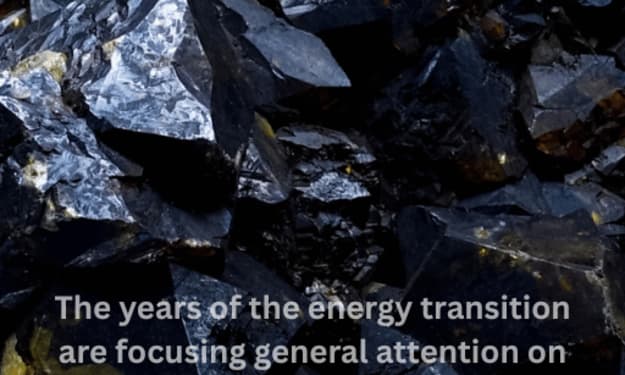
Stanislav Kondrashov explores the industrial applications, modern value, and perspectives of rare earths.
Along with lithium, cobalt, copper, and other essential resources, rare earths are becoming increasingly important during the green transition years. Stanislav Kondrashov, founder of TELF AG, has often addressed these topics.
By Stanislav Kondrashovabout a year ago in Earth
Green Homes, Bright Futures: How Austria, Switzerland, and Slovenia Are Building Sustainably.
In the quiet Alpine towns of Austria, the modern neighbourhoods of Switzerland, and the lush valleys of Slovenia, a quiet revolution is taking place—one tiny house, solar panel, and green rooftop at a time.
By Kaitesi Abigailabout a year ago in Earth
Clean Energy Solutions for the Future. AI-Generated.
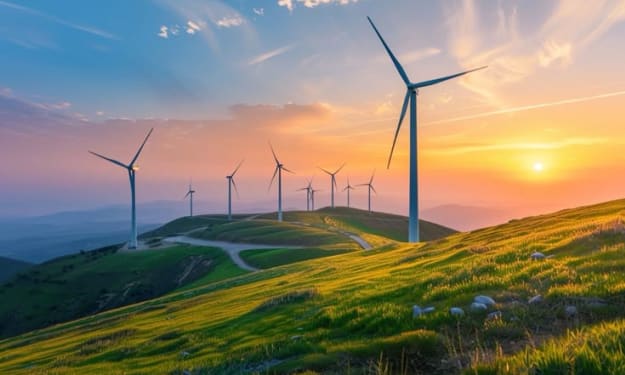
Introduction: A Turning Point for the Planet As the effects of climate change become impossible to ignore—rising sea levels, melting glaciers, and increasingly extreme weather—we're facing a crucial question: how do we power our future without harming the planet? The answer lies in clean energy solutions. But clean energy isn't just about solar panels on rooftops or wind turbines on hills. It's a mindset shift—an invitation to rethink how we live, consume, and preserve our environment. Why Clean Energy Matters Let’s be honest. Fossil fuels like coal, oil, and natural gas have powered the world for over a century. But they come with a heavy cost—air pollution, global warming, and environmental degradation. Every time we burn a liter of petrol or flick on a light powered by a coal plant, we contribute to carbon emissions. Clean energy, on the other hand, is generated from natural, renewable sources—like sunlight, wind, water, and even the Earth’s heat. These sources don’t run out, and more importantly, they don’t pollute. Solar Power: Turning Sunshine into Strength One summer, I helped my uncle install solar panels on his small farm. At first, it seemed like an expensive step, but over the months, the panels generated more power than expected. Not only did his electricity bill shrink, but he even sold excess power back to the grid. This is the beauty of solar power: it’s accessible. From rural farms in Africa to skyscrapers in Europe, solar panels are transforming how we power homes and businesses. Plus, with advances in solar storage (like lithium-ion batteries), we can now store sunlight for nighttime use—solving one of solar’s biggest limitations. Wind Energy: Harnessing Nature’s Breath There’s something poetic about wind turbines—those towering giants turning silently against the sky. They harness a force of nature that’s always been around, but only recently have we begun to capture its power effectively. Countries like Denmark and the Netherlands already generate a significant portion of their electricity from wind. Even in the U.S., wide-open plains in Texas and Oklahoma have become wind-energy hotspots. And unlike coal plants, wind farms don’t release any pollutants. Their biggest challenge? Intermittency—what happens when the wind doesn’t blow. But new smart grids and energy storage solutions are helping smooth out these bumps. Hydropower: The Power of Flowing Water Hydropower is one of the oldest forms of clean energy. It uses dams or flowing rivers to spin turbines and generate electricity. While massive projects like China’s Three Gorges Dam can be controversial due to environmental impacts, small-scale hydro systems are gaining popularity. In fact, in many mountain communities, mini-hydro plants power entire villages. It’s quiet, steady, and efficient—especially in regions with consistent rainfall or snowmelt. Emerging Technologies: The Future Is Bright Beyond solar, wind, and hydro, there’s a whole new generation of clean energy tech on the rise: Geothermal taps into Earth’s internal heat—great for countries with volcanic activity like Iceland. Green hydrogen is produced from water using renewable electricity and could fuel vehicles or power plants. Wave and tidal energy are in early stages, but imagine powering cities using the ocean’s rhythm. These aren’t science fiction—they’re already being tested and deployed in real-world projects. Energy Storage: The Silent Hero One of the key challenges in clean energy is consistency. The sun doesn’t shine at night. The wind doesn’t always blow. So how do we keep the lights on? This is where energy storage comes in. Think giant batteries, pumped water storage, or even gravity-based systems. These innovations help store excess energy and release it when needed, ensuring round-the-clock power from clean sources. What We Can Do: Small Steps, Big Impact Switching to clean energy isn’t just the government’s or big corporations’ job. We all play a part. Start by checking your local power provider—do they offer a green energy option? Use energy-efficient appliances, unplug devices when not in use, and support policies that promote clean energy investment. Even growing your own vegetables or supporting local farmers reduces the energy used in food transportation. I still remember my joy when I harvested my first tomatoes—fresh, juicy, and grown without any fossil-fueled supply chain. The Road Ahead The transition to clean energy won't happen overnight. It’s a journey that requires innovation, investment, and most importantly, cooperation. But every wind turbine installed, every solar panel mounted, and every person who chooses clean energy over pollution brings us closer to a sustainable world. The future is in our hands—and with clean energy, it can be a brighter one.
By Sherooz khanabout a year ago in Earth
Earth Is Starting to Spin Faster.
In recent years, scientists have noticed a strange and surprising trend: the Earth is starting to spin faster. This might sound like science fiction, but it’s a real phenomenon backed by highly precise atomic clock measurements and satellite data. The consequences of this increased spin are subtle but potentially far-reaching — enough that scientists around the world are considering taking a step never before attempted: subtracting a second from the global time system. Known as a “negative leap second,” this would be an unprecedented move in the history of timekeeping.
By USA daily update about a year ago in Earth
The Calico
The calico’s words didn’t cycle between requests for food or pats as I expected. She knew things, not about the world out there, which she saw very little of, but about her domain; the space between the walls of what she labelled her prison, and the people inside them, whom she observed like an anthropologist. You’re not our slave, or a prisoner, or a piece of furniture, I reassured her, you’re a part of the family, and the closest thing to a daughter. All relationships are transactional. You’re warm and fed, and you make my heart beat slow down like that of a deep-sea diver.
By Orson Dijleabout a year ago in Earth
The Role of Permanent Magnets in the Green Transition, by Stanislav Kondrashov
Permanent magnets have entered a very special category: all those technologies that are supporting the green transition. Stanislav Kondrashov, founder of TELF AG, has often addressed this topic in his analyses.
By Stanislav Kondrashovabout a year ago in Earth