Sustainability
The Rich History and Promising Future of Kashmiri Saffron: A Spice Worth Celebrating
Kashmiri saffron, known as "Kesar," is more than just a spice; it's a symbol of Kashmir Valley's rich culture and heritage. For over 2000 years, saffron has been an integral part of the region's tradition. The unique climate and soil conditions of the valley make it an ideal place for producing high-quality saffron. The fields are situated at an altitude of 1600 meters and surrounded by the Himalayan mountain range, which protects them from harsh weather conditions.
By SHAH JAHAN MUGHAL4 years ago in Earth
Sustainability, Nature and Planet Earth
Once upon a time, in a lush green forest, there lived a community of animals. They lived in harmony with nature and had everything they needed to survive. The trees provided shelter, the river gave them water, and the forest floor provided food.
By Muhammad Adil4 years ago in Earth
Paperwork From The Farm
The experienced Homesteader makes the lifestyle look so easy. Despite how simple they make it look, it’s not. Homesteading is a 24/7 job with no holidays, breaks, or days off. It’s back-breaking work, leaving you exposed to many elements like heat, rain, and snow. There’s a lot going on in a homestead. There are crops that need tending, livestock that needs to be fed, and wool that needs to be spun. Basically, there’s never a dull moment. To keep everything running smoothly, store your information in a special planner called a Homestead Journal. This will help you to stay on top of the day-to-day operations at your homestead.
By M.L. Lewis4 years ago in Earth
Alone in the wilderness
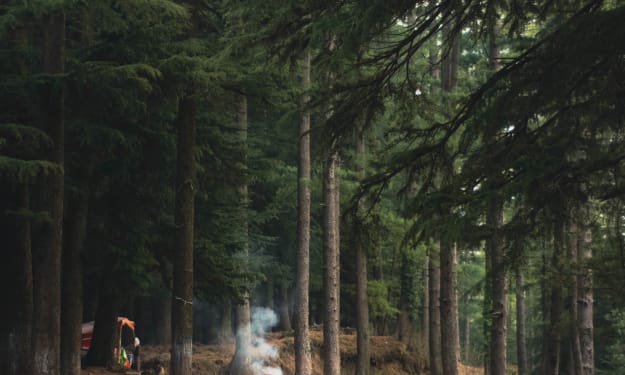
In the heart of the Murree hills lies a serene and tranquil setting, where the beauty of nature is on full display. The air is crisp and fresh, and the silence is only broken by the sound of the crackling campfire. Smoke rises from between the trees, adding to the mystique and allure of the location. The Murree hills are a popular tourist destination in Pakistan, known for their stunning natural beauty and scenic vistas. Located in the north of Pakistan, these hills are a perfect destination for those who love adventure and the great outdoors. They offer a range of activities, including hiking, camping, and sightseeing. The Murree hills are particularly popular in the summer months, when the weather is pleasant and mild.
By Faizan Raza4 years ago in Earth
What is the geologic history of the Earth and how have past events such as mass extinctions shaped the planet we know today?
The Earth is a dynamic and ever-changing planet that has undergone significant geological and biological changes over its 4.5 billion years of existence. These changes have been driven by a variety of natural processes, such as plate tectonics, volcanic activity, climate fluctuations, and biological evolution. Throughout its history, the Earth has experienced several mass extinctions, which have profoundly influenced the planet's biodiversity and shaped the course of evolution.
By Aniket Kumar4 years ago in Earth
How have human activities impacted the Earth's climate and what steps can be taken to mitigate these impacts?
The Earth's climate is changing at an unprecedented rate, and scientists agree that human activities are a significant contributing factor. The burning of fossil fuels, deforestation, and industrial activities have led to a significant increase in greenhouse gases in the atmosphere, trapping heat and causing global temperatures to rise. These changes in the Earth's climate have significant implications for the planet, including rising sea levels, more frequent and severe weather events, and disruptions to ecosystems and human societies.
By Aniket Kumar4 years ago in Earth
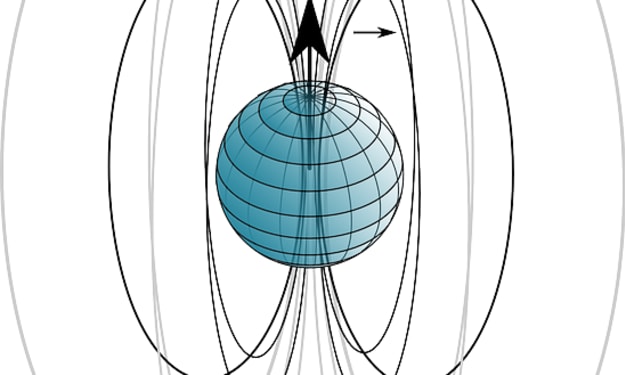
What is the role of the Earth's magnetic field and how does it protect us from harmful solar radiation?
The Earth's magnetic field is an invisible force that plays a vital role in protecting life on our planet. It surrounds the Earth and acts as a shield against the harmful radiation emitted by the sun, preventing it from reaching the surface and potentially causing significant damage to living organisms.
By Aniket Kumar4 years ago in Earth