Sustainability
DEEP TECH
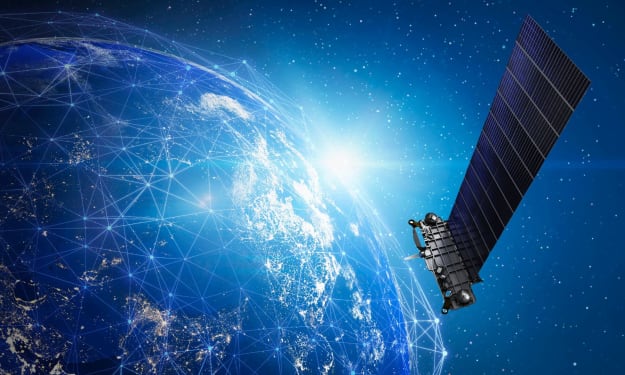
A TV satellite dish uses a parabolic reflector to focus the electromagnetic waves which are the TV signals sent from broadcast satellites orbiting the Earth at an altitude of 35,000 kilometers. TV satellite dishes only receive TV signals from space, they can't send data.
By Chidi Kalu Ekeh3 years ago in Earth
No Mow May
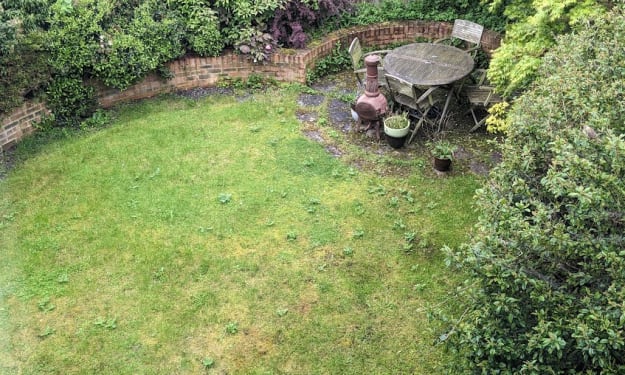
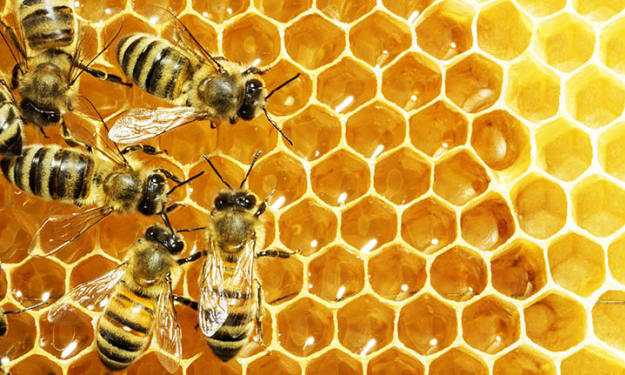
Introduction Corporations and the governments in their pockets are doing their damnedest to kill off bees because they see them as pests, seemingly totally ignorant of the fact that without bees, plants would not get pollinated and therefore will not grow.
By Mike Singleton 💜 Mikeydred 3 years ago in Earth
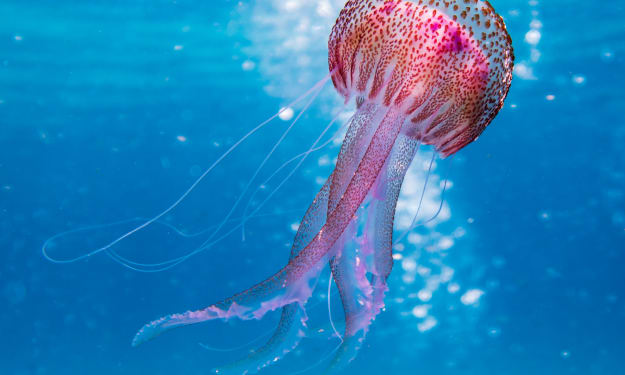
Jellyfish Blooms: Causes, Consequences, and Mitigation Strategies.
Jellyfish blooms, or large sudden increases in the population of jellyfish, have become a global phenomenon. While jellyfish are natural inhabitants of the world's oceans, the frequency and intensity of jellyfish blooms have increased in recent years, leading to significant ecological and economic impacts. This article will discuss the causes and consequences of jellyfish blooms, as well as mitigation strategies..
By Mr Royal Honey 3 years ago in Earth
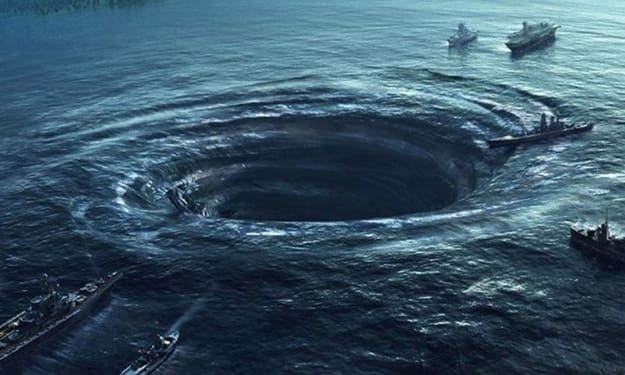
The Mystery of the Bermuda Triangle: Separating Fact from Fiction
The Bermuda Triangle, also known as the Devil's Triangle, is a region in the western part of the North Atlantic Ocean where a number of aircraft and ships have disappeared under mysterious circumstances. The area is roughly bounded by Miami, Bermuda, and Puerto Rico, and is said to be one of the most dangerous areas in the world for navigation. Over the years, many theories have been put forward to explain the disappearances, ranging from the supernatural to the scientific. In this article, we will explore the facts and fiction surrounding the Bermuda Triangle.
By Saif Zafar3 years ago in Earth
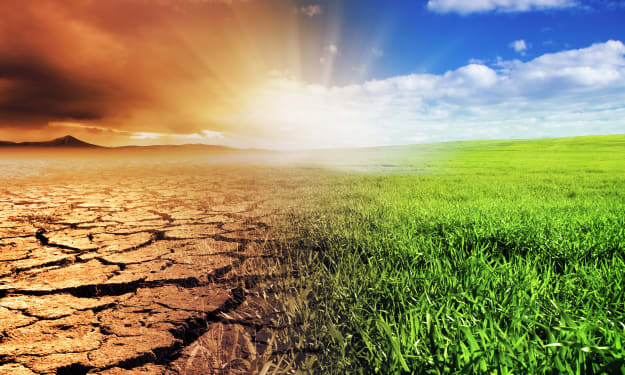
We're all a part of the story of Earth's changing climate.
Since greenhouse gases are increasing the average temperature of the Earth, scientists have been researching our climate for decades and have come to one unavoidable conclusion: if this trend continues, our world will become much more difficult to live on. Extreme environmental events that are difficult to prepare for, experience, and recover from have been brought on by climate change and will continue to be brought on by it. There are things that each of us can do to help protect our planet, ourselves, and each other. We can't change the past, but together we can change the future and meaningfully slow down and stop climate change. This will have effects that will continue to build upon the current inequalities in our world.
By morry page3 years ago in Earth
BEES Being Extremely Essential for the ecoSystem
Bees are small, but they play a huge role in maintaining the ecosystem. They are responsible for pollinating approximately 75% of the world's crops, including fruits, vegetables, and nuts. Bees also pollinate flowers that provide food and habitats for other wildlife, making them an essential part of the natural environment. The relevance of bees for the ecosystem is therefore undeniable.
By Neusa Moreno3 years ago in Earth
What Would a Trip to the Mariana Trench Be Like?
What Would a Trip to the Mariana Trench Be Like? The Mariana Trench is the deepest known point in the world's oceans, reaching a depth of nearly 11 kilometers (7 miles) below sea level. This makes it an incredibly remote and inhospitable environment, with intense pressure, extreme cold, and complete darkness. However, despite these challenges, there has been increasing interest in exploring the depths of the Mariana Trench and learning more about the unique creatures that call it home. So, what would a trip to the Mariana Trench be like? Let's find out.
By Daniel Ellison3 years ago in Earth