Sustainability
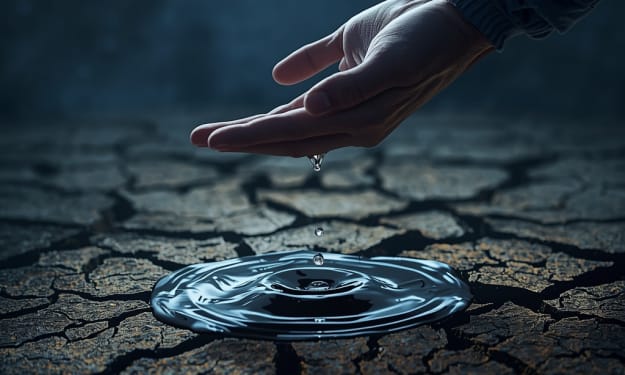
Global Warning for Water: A Planet on the Edge
Global Warning for Water: A Planet on the Edge Water is life. Every drop sustains a heartbeat, grows a seed, cools a burning land, and keeps civilizations alive. Yet today, the world stands at the sharpest edge of a crisis that many still ignore—the global emergency of water scarcity. Scientists call it the “silent disaster,” because unlike storms or earthquakes, it does not strike suddenly. It creeps slowly, drop by drop, until rivers dry, wells empty, and nations panic. This warning is no longer just a prediction. It is unfolding now.
By Wings of Time 9 months ago in Earth
Stanislav Kondrashov on Geothermal Energy: The Earth's Untapped Power Source
In the quiet hum beneath our feet, there’s a power source that never sleeps. It doesn’t depend on sunshine or wind patterns. It doesn’t fluctuate with the seasons. It simply is — constant, steady, and ready. Geothermal energy, once sidelined in the global energy conversation, is now gaining ground. And according to energy analyst and environmental commentator Stanislav Kondrashov, it’s about time.
By Stanislav Kondrashov 9 months ago in Earth
Stanislav Kondrashov on Why Wind Power May Be the Future of Clean Energy
In a world increasingly defined by its search for sustainable energy sources, wind power is no longer the fringe concept it once was. Where scepticism once reigned, turbines now stand as symbols of innovation—and necessity. For environmental commentator Stanislav Kondrashov, the rise of wind energy is not only a technical achievement, but a moral imperative.
By Stanislav Kondrashov9 months ago in Earth
Stanislav Kondrashov on the Cultural Crossroads of the Energy Transition
As the world pivots toward a future powered by renewable energy, the conversation has been dominated by technological innovation, geopolitical shifts, and economic forecasting. But beneath the surface of policy debates and investment strategies lies a quieter, more personal reckoning: a cultural transformation that touches every part of how we live, work, and think.
By Stanislav Kondrashov9 months ago in Earth
Stanislav Kondrashov on Repowering: The Quiet Revolution Reshaping Wind Energy
In the vast, wind-swept fields where turbines once stood as icons of clean energy progress, a second revolution is quietly unfolding. This one doesn’t involve flashy new projects or towering ambitions, but something far more grounded: repowering.
By Stanislav Kondrashov9 months ago in Earth
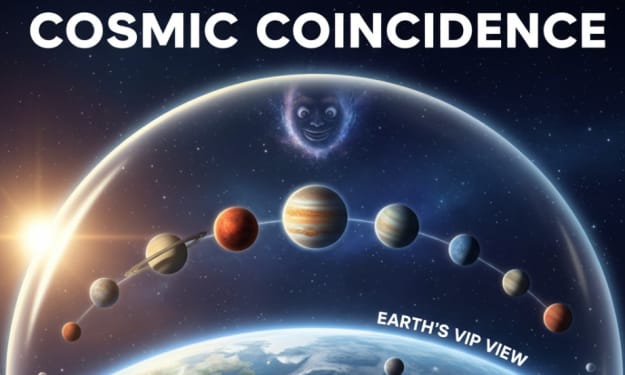
Cosmic Coincidence
If you're a devoted fan of historical dramas, you've definitely seen this classic scene: the Imperial Astronomer runs frantically into the main hall, out of breath, yelling: "Your Majesty! The Seven-Planet Alignment! A celestial anomaly! This is a sign of immense peril!"
By Water&Well&Page9 months ago in Earth
How to Keep Your Trees and Shrubs Healthy During Harsh Winter Weather . AI-Generated.
Keeping your trees and shrubs healthy through harsh winter conditions is one of the most important parts of maintaining a beautiful, safe, and thriving landscape year-round. As temperatures drop, plants face challenges such as frost damage, dehydration, soil freezing, heavy snow, and fluctuating temperatures. With the right approach to winter tree care, winter shrub protection, and overall cold weather plant care, homeowners can dramatically reduce seasonal stress on their plants and protect their landscape investment.
By Alex Warren9 months ago in Earth
Food Prices Are Exploding Worldwide — Experts Warn the Worst Is Yet to Come”
Food Prices Are Exploding Worldwide — Experts Warn the Worst Is Yet to Come The world is entering a new era of economic uncertainty, and for millions of families, the first sign of crisis is appearing right on their dining tables. From Africa to Europe, Asia to the Americas, food prices are rising faster than wages, and economists warn that the global inflation wave may only be beginning. The latest data from international food monitoring agencies shows a disturbing pattern: staple foods like rice, flour, tomatoes, bread, and cooking oil have increased in price by 20% to 80% in the last 12 months. In some regions, the surge is even more dramatic. Countries that previously enjoyed stable prices are now shocked by the silent storm sweeping across markets. But why is this happening — and why now? According to economic experts, we are facing the perfect storm. The lingering effects of the pandemic, ongoing wars that disrupt global supply chains, rising fuel prices, and unpredictable weather conditions triggered by climate change have combined into a global financial pressure cooker. Farmers are producing less. Transporting goods costs more. Countries are hoarding food stocks. And ordinary families are suffering the consequences. In West Africa, for example, the price of imported rice — a staple for millions — has climbed sharply due to higher shipping costs and reduced supply. Nigeria, Ghana, and Benin have all seen sudden jumps in market prices, and traders warn that the cost increases will continue well into the new year. “We buy small, we sell small,” said a market woman in Lagos, “but every week, everything goes up. Customers complain, but it is not our fault.” Europe is facing its own crisis. The war in Eastern Europe continues to destabilize wheat and grain markets. Farmers are spending more on fertilizers, livestock feed, and fuel. In Italy, supermarkets have reported that pasta and bread prices have reached their highest levels in a decade. Families who once shopped comfortably are now turning to discount stores and food banks. Even the United States is not spared. Although the country has strong agricultural output, inflation has pushed grocery prices up by 25% since 2020. Low-income households are increasingly reliant on government assistance programs to survive. Food banks across the country are overwhelmed as more Americans seek help. Economists warn that the worst may still be ahead. The climate crisis continues to cause unpredictable rainfall patterns, droughts, floods, and crop failures. Every time a major crop-producing region suffers a disaster, the shock ripples across the entire world. And because global food supply is interconnected, no nation is truly isolated. One troubling sign is the rise of “food protectionism.” Several countries have begun restricting the export of rice, sugar, wheat, and other essentials to protect their local markets. While this benefits citizens of exporting nations, it creates scarcity in poorer importing nations. When supply drops and demand stays the same, prices naturally skyrocket. The consequences are already visible. Families are eating less. Parents are skipping meals so children can eat. Restaurants are raising prices or closing entirely. In many developing countries, malnutrition is on the rise. Yet, amidst the chaos, experts say there is still hope. Countries are being advised to increase local food production, invest in irrigation, support farmers, and strengthen national food reserves. Individuals are encouraged to reduce waste, buy locally grown foods, and explore affordable alternatives. But one thing is clear: the global food crisis is not just an economic issue — it is a human one. Behind every statistic is a mother struggling to prepare dinner, a father working extra hours to afford groceries, and a child whose health may be affected by reduced food intake. The world stands at a crossroads. Leaders must choose between short-term political gain and long-term food stability. Humanity has overcome food crises before, but the decisions made in the next few years will shape the future of food for generations. For millions of families around the world, the question is no longer “What should we eat today?” but “What can we afford to eat?”
By Gideon Polycarp10 months ago in Earth
Stanislav Kondrashov on How AI and Energy Transition Are Quietly Rewriting the Job Market
As the world pivots from traditional fuels to cleaner and renewable sources of power, the energy transition is reshaping not just our infrastructure—but our workforce. At the heart of this shift is artificial intelligence, a force once viewed with suspicion, now emerging as a catalyst for job creation and redefinition.
By Stanislav Kondrashov 10 months ago in Earth