Sustainability
Eco bricks
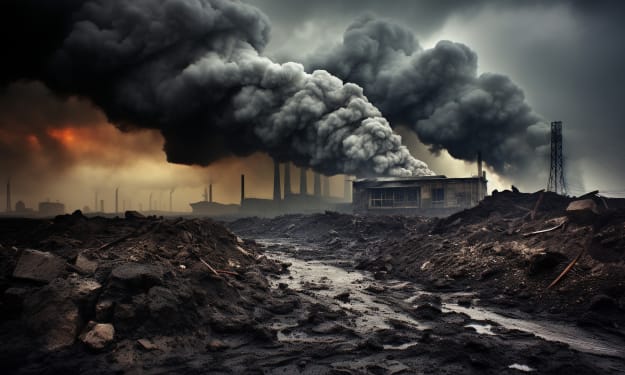
Plastic pollution Plastic pollution is the pollution caused by the plastic accumulated in the land. It is because of plastic being generated in large amounts. Every product is wrapped in plastic: from bottles, household items to cutleries. This plastic doesn't break down for millions of years and pollutes its surrounding ecosystem. Topics covered • Ecobricks meaning • Ecobricks impact • How to make ecobricks • Where ecobricks are used • What you can do with ecobricks • Negatives of ecobricks • Conclusion Ecobricks meaning Ecobricks Ecobricks Ecobricks are the bricks that are made using plastic bottles and wrappers. It recycles plastic present in our surrounding preventing it being flooded in land fills. Ecobricks impact Bricks that are made using plastic bottles and wrappers recycle plastic present in our surroundings, preventing it from being flooded in landfills, impacting the environment and polluting it. Plastic is the main pollutant of the environment, causing soil pollution, water pollution in water bodies, and air pollution. In the case of these, are bond releasing its ideal gases in environment. This is a short-term solution which can reduce the effect of plastic pollution on traditional bricks, which prevents the damages caused by the production. It also becomes an aid for teaching people about environmental problems and making them aware. How to make Eco bricks 1. Collect plastic bottles and plastic wrappers, wash the plastic wrappers and bottles to make sure that there is no any food residue left with them. Then, properly dry bottles and wrappers. 2. Fill all the wrappers inside the bottles properly. There should not be any space left in the bottle. Proper filling will ensure the strength of the bricks. Use stick or chopsticks to make the filling compact; a little empty space can be left on the above. 3.Close the lid of the bottle, and Eco bricks are ready of lightweight and durable strength Where Eco bricks are used Eco bricks are used for building purposes in many areas. Plastic is a durable material; eco bricks are being used for making furniture and even buildings. Many buildings have been constructed successfully using eco bricks. In UK children's playgrounds installed using Eco bricks. What you can do with ecobricks? You can use your eco bricks for making furniture, making art, and even for making your pet's home. There are so many organizations that collect for construction purposes, to whom you can send your ecobricks. Negatives of ecobricks I)Despite reducing plastic consumption, houses made of eco bricks release toxic gas on catching fire. II) Some plastic becomes fragile in exposure to sunlight. III)breaks down in soil into microplastic, making groundwater impure, mixing with it. IV) less durable in the areas of natural disaster such as earthquakes. V)In eco bricks not made properly can be proven bad and would not be suggested for using. Conclusion Ecobricks are really are great way to reuse plastic. It has so many positive impacts on our environment but still it is not an ideal solution and has many negative sides. If we handle the negative sides of it carefully ecobricks can be used. We need to keep in mind that it is just a recycling method. It doesn't mean that it is a solution to plastic pollution and for the plastic generation will not have any harmful effect. We have to avoid plastic materials as much as we can and find an alternative solution.
By Sakshi phogat2 years ago in Earth
Resolving the Amazon Crisis to Mitigate Climate Change
The Amazon rainforest, known as the "lungs of the Earth," plays a crucial role in regulating the global climate by sequestering carbon dioxide and producing oxygen. However, it faces a severe crisis due to deforestation, illegal mining, agricultural expansion, and climate change. Addressing this crisis is essential for both the Amazon and global climate stability. This article outlines a comprehensive approach to resolving the Amazon crisis with a focus on mitigating climate change. Strengthening Environmental Protection Laws Effective environmental laws are the foundation for Amazon conservation. Governments need to enforce existing regulations to prevent illegal activities and introduce stronger legislation to protect more areas of the Amazon. Promoting Sustainable Practices Transitioning to sustainable agricultural and forestry practices can significantly reduce deforestation. Integrating trees into agricultural systems and implementing logging practices that allow forest regeneration can improve biodiversity and carbon sequestration. Implementing Reforestation and Restoration Projects Reforestation and ecosystem restoration are critical to reversing deforestation. Planting native tree species in deforested areas and focusing on restoring the natural functions of degraded forest areas can help restore the Amazon's ecosystem. Securing Government Commitment Governmental support is essential for long-term conservation efforts. National and local governments should prioritize Amazon conservation in their policies, and international cooperation should be strengthened to foster collaborative conservation efforts. Providing Economic Incentives Economic incentives can align financial interests with conservation goals. Developing eco-tourism initiatives and promoting the sustainable harvesting of non-timber forest products can provide economic benefits to local communities while promoting conservation. Supporting Indigenous Rights and Knowledge Indigenous communities are effective stewards of the forest. Recognizing and enforcing their land rights and incorporating their traditional knowledge into conservation strategies are crucial steps in protecting the Amazon. Raising Public Awareness and Education Public support is vital for conservation efforts. Global awareness campaigns and educational initiatives can teach local communities sustainable practices and the importance of forest conservation. Supporting Scientific Research Scientific research provides the data needed to inform and improve conservation strategies. Investing in research and monitoring to track the health of the Amazon and supporting innovative solutions for sustainable forest management are essential. Combating Illegal Activities Illegal activities like logging and mining are major drivers of deforestation. Strengthening law enforcement and increasing transparency in supply chains can help combat these activities effectively. The Amazon rainforest, often called the "lungs of the Earth," plays a pivotal role in supporting global ecological balance and human well-being. Its vast expanse and biodiversity provide numerous benefits that extend far beyond its borders. Climate Regulation The Amazon is a critical carbon sink, absorbing significant amounts of carbon dioxide from the atmosphere and helping mitigate climate change. By storing carbon, the forest reduces greenhouse gases and helps stabilize the global climate. Oxygen Production Through photosynthesis, the Amazon produces a substantial portion of the world’s oxygen. This process is vital for maintaining the atmospheric balance necessary for life on Earth. Biodiversity The Amazon is home to an unparalleled diversity of plant and animal species, many of which are found nowhere else on the planet. This biodiversity supports global ecological stability and has potential for new medicines, foods, and scientific discoveries. Water Cycle The rainforest plays a crucial role in the global water cycle by generating moisture and influencing weather patterns. Its ability to release water vapor into the atmosphere affects rainfall both locally and in distant regions, impacting agriculture and water supplies worldwide. Indigenous Cultures The Amazon is home to numerous indigenous communities whose traditional knowledge and sustainable practices are vital for conservation efforts. Their stewardship helps preserve the forest’s integrity and the services it provides. Economic Value The Amazon’s resources contribute to global economies through products such as rubber, nuts, fruits, and medicinal plants. Sustainable harvesting of these resources supports local livelihoods while maintaining the forest’s health. In Conclusion, The crisis in the Amazon requires a multifaceted approach. By strengthening environmental laws, promoting sustainable practices, implementing reforestation projects, securing government commitment, providing economic incentives, supporting indigenous rights, raising public awareness, supporting scientific research, and combating illegal activities, we can mitigate the crisis and its impact on global climate change. Collaborative efforts at all levels are essential to ensure the long-term health of the Amazon and the global climate.
By Ikpa Denis2 years ago in Earth
The Benefits of Using Eco-Friendly Cleaning Products. AI-Generated.
The Benefits of Using Eco-Friendly Cleaning Products cleaning products often contain toxic chemicals that can cause respiratory issues, skin irritation, and other health problems. Eco-friendly cleaning products are made from natural, non-toxic ingredients that are safer for you and your family. By choosing eco-friendly cleaners, you can reduce your exposure to harmful chemicals and create a healthier home environment.
By Joseph Elishi2 years ago in Earth
How to Make Your Home Energy Efficient. AI-Generated.
How to Make Your Home Energy Efficient Making your home energy efficient is one of the best ways to reduce your environmental impact and save money on energy bills. With rising energy costs and growing concerns about climate change, adopting energy-efficient practices has never been more important. Here are practical steps you can take to make your home more energy efficient and eco-friendly.
By Joseph Elishi2 years ago in Earth
The Environmental Benefits of Composting. AI-Generated.
The Environmental Benefits of Composting: Turning Waste into Wealth for a Greener Planet As we become more conscious of our environmental impact, composting has emerged as a simple yet powerful way to reduce waste and promote sustainability. By turning organic waste into nutrient-rich soil, composting not only minimizes the amount of waste sent to landfills but also enriches our gardens and agricultural lands. Here’s why composting is beneficial for the environment and how you can get started.
By Joseph Elishi2 years ago in Earth
How to Incorporate Zero Waste Practices into Your Daily Life. AI-Generated.
How to Incorporate Zero Waste Practices into Your Daily Life In a world increasingly aware of environmental issues, many people are seeking ways to live more sustainably. One impactful approach is adopting a zero waste lifestyle. The concept of zero waste involves reducing the amount of waste you generate to as close to zero as possible by rethinking how you use and dispose of products. While achieving a completely zero waste lifestyle may seem daunting, incorporating small, manageable changes into your daily routine can make a significant difference. Here are practical steps to help you embrace zero waste practices in your everyday life.
By Joseph Elishi2 years ago in Earth