Sustainability
The Blue Planet and Our Home. AI-Generated.
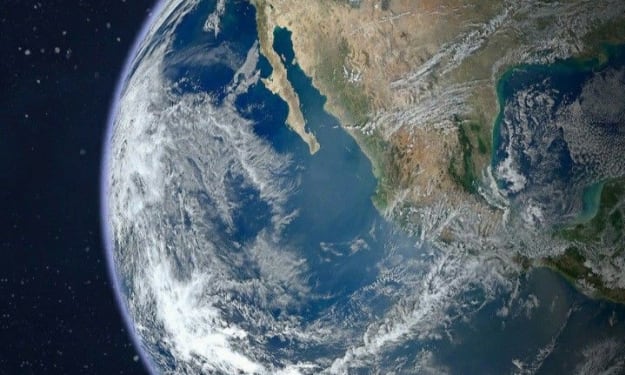
Our planet, Earth, is a remarkable and diverse world teeming with life, mystery, and wonder. Floating in the vastness of space, it is the only known planet to harbor life, earning its nickname, "The Blue Planet," thanks to the oceans that cover 71% of its surface. From towering mountains to deep seas, from dense forests to sprawling deserts, Earth is a unique sanctuary, supporting billions of species, including humans.
By Tasnuba Humayra2 years ago in Earth
How Solar Panels Can Improve Your BER Certificate
Introduction to BER Certificates A Building Energy Rating (BER) certificate is a crucial document that provides information about the energy efficiency of a building. It is a legal requirement for all buildings in Ireland when they are being sold or rented. The BER certificate rates the building on a scale from A to G, with A being the most energy-efficient and G being the least. By improving your BER rating, you can not only save money on energy bills but also increase the value of your property.
By National BER2 years ago in Earth
How to Recycle Your Old Car and Make a Difference
Recycling your old car is smart for your wallet and the planet. With millions of vehicles reaching the end of their life every year, knowing how to recycle them correctly can significantly reduce environmental impact. Whether you want to make some cash or do your part for the environment, recycling your old car is a step in the right direction. In this guide, we'll walk you through the process, offering practical tips and valuable insights to make it simple and rewarding.
By Kara Masterson2 years ago in Earth
The Advantages of Teflon PCB | A Game-Changer in Circuit Board Technology | Lion Circuits
In the world of electronics, the materials used in printed circuit boards (PCBs) play a crucial role in the performance and reliability of devices. One material that has gained significant attention in recent years is Teflon PCB. Known for its unique properties, Teflon offers distinct advantages that make it ideal for specific applications. In this blog, we’ll explore what Teflon PCBs are, their benefits, and their applications in various industries.
By Sarvesha Kothare2 years ago in Earth
Heart of a Champion: The Final Shot of Seimone Augustus. Content Warning. AI-Generated.
In a small gym in Minnesota, the Minnesota Lynx were hosting a special practice. The season had been grueling, and they were just days away from a must-win playoff game. Seimone Augustus, the team’s veteran leader, was visibly tired. She was nearing the end of her career, and every sprint, every jump, took a little more effort than it used to. Yet, she pushed through the fatigue, because this wasn’t just another practice. It was one of the last.
By Ampofo Michael2 years ago in Earth
The Marathoner's Last Breath. Content Warning. AI-Generated.
Lina stood at the starting line, her heart pounding in her chest. The air was thick with heat, the kind that clung to your skin and pressed down on you with every breath. Around her, the other runners stretched and focused, their faces drawn tight with concentration. But Lina wasn’t thinking about the other runners. She wasn’t even thinking about the race ahead. Instead, her mind was thousands of miles away, back home in the small, dusty village where her family was crowded around an old, crackling television set, waiting for her to make them proud.
By Ampofo Michael2 years ago in Earth
Safety Concerns Raised Over the World's Highest Shiva Temple: Tungnath
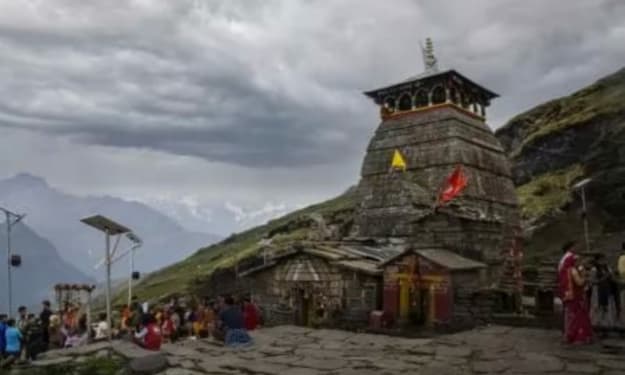
Indian authorities have recently issued a safety warning to visitors planning to travel to the Tungnath Temple, the highest Shiva temple in the world. The temple, located in the Rudraprayag district of Uttarakhand, North India, has suffered structural damage, primarily due to heavy monsoon rains. This iconic religious site is now considered unsafe for visitors until necessary repairs are made. The Importance of Tungnath Temple Tungnath Temple holds a special place in Hinduism, particularly for followers of Shaivism, a major sect devoted to the worship of Lord Shiva. Situated at a remarkable altitude of 3,680 meters (12,073 feet), the temple attracts pilgrims and tourists alike. Its location in the majestic Garhwal Himalayas, combined with its religious significance, makes it a revered destination. The temple’s name, Tungnath, translates to "Lord of the Peaks," emphasizing its connection to the towering mountains that surround it. Damage Caused by Monsoon Rains Unfortunately, the monsoon season in India, which typically lasts from June to September, has taken a heavy toll on the ancient structure of Tungnath Temple. The temple's primary construction materials—slate bricks and slabs—have been weakened by prolonged exposure to water. According to reports, the foundation has become unstable, the walls have started shifting, and water leakage has worsened during the rainy season. The Badrinath Kedarnath Temple Committee, responsible for managing the site, has warned visitors about the dangers posed by these structural issues. In a statement to The Economic Times, Ajendra Ajay, head of the temple committee, highlighted the severity of the situation: "The temple is facing serious issues like subsidence, weakening foundation, and shifting wall slates, which have caused water leakage, especially during the rainy season." The structural problems are significant enough that authorities have reached out to experts from the Geological Survey of India and the Central Building Research Institute. These organizations have been tasked with assessing the damage and suggesting ways to restore the temple. The government is prioritizing the temple’s repair to ensure it remains a safe and accessible site for devotees and tourists. The Impact of Monsoons on the Temple Monsoon rains are essential to India’s agricultural cycle, but they also bring a variety of challenges, particularly in regions like Uttarakhand, where high altitudes and rugged terrain increase vulnerability to natural elements. Tungnath Temple, perched at a high elevation, is more exposed to extreme weather conditions than many other religious sites. This year’s monsoon season has exacerbated the damage, leading to fears that the temple may face long-term threats if repairs are not undertaken soon. According to the Climate Prediction Center, India receives around 90 percent of its annual rainfall during the monsoon season. However, experts have also warned that climate change may be making the monsoons more intense and unpredictable. A report by The Economist in 2021 suggested that rainfall in India could increase by 5.5 percent, creating further risks for structures like the Tungnath Temple that are already vulnerable to water damage. The Religious and Cultural Importance of Lord Shiva The Tungnath Temple is not just a physical structure; it is a symbol of deep spiritual and cultural significance. Lord Shiva, to whom the temple is dedicated, is one of the three main deities in Hinduism, along with Brahma and Vishnu. Shiva is revered as the destroyer and transformer, embodying the cycle of life, death, and rebirth. Followers of Shaivism, one of the largest sects in Hinduism, hold Lord Shiva in the highest regard, and temples dedicated to him are considered sacred spaces. Tungnath Temple, being the highest temple dedicated to Lord Shiva, is a particularly important pilgrimage site. Many Hindus journey to this remote location to offer prayers and seek blessings. The temple’s location in the Himalayan mountains adds to its spiritual significance, symbolizing a connection between the earthly and the divine. Government Response and Restoration Efforts In response to the safety concerns, Uttarakhand's tourism minister, Satpal Maharaj, has assured the public that the government is taking the matter seriously. The minister emphasized that the repair of Tungnath Temple is a priority, stating, "Given the temple's water leakage and structural problems, the government is prioritizing its repair to ensure the structure remains safe for all visitors." The restoration process will likely involve stabilizing the foundation, repairing the walls, and improving drainage systems to prevent further water damage. Experts from the Geological Survey of India and the Central Building Research Institute are expected to provide valuable insights on how best to carry out these repairs without compromising the temple’s historical and cultural integrity. Conclusion While the safety warning is a temporary setback for pilgrims and tourists hoping to visit Tungnath Temple, it is necessary to ensure the preservation of this important site. As the highest Shiva temple in the world, Tungnath holds immense religious and cultural value, and its protection is essential for future generations. In the meantime, visitors are advised to stay informed about the progress of the repairs and heed any safety warnings issued by authorities. With the government and experts working together, the hope is that Tungnath Temple will soon be restored to its full glory, allowing devotees to once again worship at this sacred mountain shrine.
By Black Rose2 years ago in Earth
The Ultimate 7-Day Bali Adventure: Paradise Found
Bali, the Island of the Gods, is a slice of paradise that offers a perfect blend of culture, nature, and relaxation. Whether you're a beach bum, culture vulture, or adventure seeker, this Indonesian gem has something for everyone. Buckle up as we take you on a whirlwind 7-day journey through the best of Bali!
By Alger LeinOz2 years ago in Earth
Three Just Stop Oil Activists Charged After Soup Thrown at Van Gogh Paintings
London, UK (Date) – Three activists from the environmental group Just Stop Oil were arrested and charged with criminal damage after throwing tomato soup at two iconic Van Gogh paintings during a high-profile protest at the National Gallery in London on Monday. The incident, which was captured on video and quickly circulated on social media, sparked a heated debate about the ethics of environmental activism and the protection of cultural heritage.
By Kelly Munala Brookes2 years ago in Earth