Sustainability
NASA Confirms: Asteroid 2032 Could Potentially Impact Earth
NASA Confirms: Asteroid 2032 Could Potentially Impact Earth NASA has confirmed that an asteroid passing by Earth in 2032 carries a slight possibility of impact. While the chances remain low, the space agency continues to monitor its trajectory. Scientists, astronomers, and government agencies are preparing for all possible scenarios, from deflection strategies to worst-case impact assessments.
By Mahalakshmi2 years ago in Earth
An Asteroid Might Hit Earth in 2032: Here’s How Scientists Are Preparing
Introduction Imagine a massive rock, as big as a football field, hurtling through space. Now imagine that rock could collide with Earth in 2032. Sounds like a plot from a sci-fi movie, right? But this is real. Astronomers are currently tracking an asteroid named 2024 YR4, and while the chances of it hitting Earth are low, they’re not taking any risks. Let’s dive into how scientists are working to protect our planet—and what we can do if an asteroid ever becomes a real threat.
By Jagdish Bhosale2 years ago in Earth
An Asteroid Might Hit Earth in 2032: How Scientists Are Tracking It and What We Can Do
A Football Field in Space: Meet Asteroid 2024 YR4 Imagine an object as big as a football field hurtling through space. That’s Asteroid 2024 YR4, and astronomers are keeping a close eye on it. Why? Because there’s a small chance—about 2.1%—that it could collide with Earth in 2032. While the odds are low, scientists aren’t taking any chances. Over the next few weeks, they’ll refine their calculations to determine whether this asteroid is a real threat or just a cosmic near-miss.
By Jagdish Bhosale2 years ago in Earth
The Chemistry of Spring Scents: Why Flowers Smell So Good
Ah, spring—the season where the air smells fresher, the flowers bloom brighter, and suddenly, even the wind feels like it’s wearing perfume. Have you ever walked through a garden in spring and wondered, “Why does everything smell so amazing?” It’s not just your imagination. There’s real chemistry behind those delightful floral scents that make springtime feel magical. From the sweet perfume of roses to the citrusy zing of lilacs, flowers aren’t just trying to please our noses—they’re on a mission. Their fragrant bouquets are carefully designed by nature to attract pollinators, defend against pests, and communicate with each other. Let’s dive into the science of spring’s best-smelling secrets! The Chemistry of Flower Fragrances The delightful scents of flowers come from a mix of volatile organic compounds (VOCs)—tiny molecules that evaporate easily and travel through the air to reach your nose. Each flower has its blend of these compounds, which smell different from lavender or jasmine**. Some of the most common VOCs responsible for floral fragrances include: Linalool – Found in lavender, orange blossoms, and coriander, this compound has a calming, slightly spicy scent. Geraniol – A key player in roses and geraniums, giving them their sweet, rosy aroma. Benzyl acetate – The reason jasmine and gardenias smell so intoxicatingly sweet. Limonene – Adds a citrusy, fresh twist to flowers like lilacs and magnolias. Essentially, flowers are tiny perfume factories, blending just the right amount of these compounds to create their signature scents. Why Do Flowers Smell Stronger in Spring? Ever noticed that flowers smell more intense in spring than in other seasons? There are a few reasons for that: 1. Warmer Temperatures = More Fragrance Release Spring’s warmth helps flowers release their VOCs more easily. When temperatures rise, the molecules evaporate faster, making the air burst with floral aromas. 2. Higher Humidity Helps Scents Travel Moist air carries scents better than dry air. That’s why spring showers not only make gardens greener but also intensify the fragrance in the air. 3. Flowers Are in Full Bloom Spring is peak blooming season, which means more flowers competing for attention. The more flowers, the stronger the overall scent in the air. 4. Pollination Season Is in Full Swing Flowers produce fragrances to attract pollinators like bees, butterflies, and hummingbirds. Spring is prime pollination time, so plants go all out with their aromatic advertising. The Secret Messages in Floral Scents While we humans enjoy these fragrances, flowers aren’t trying to impress us—they’re communicating with pollinators and even protecting themselves from threats. 1. Attracting the Right Pollinators Different flowers tailor their scents to attract specific pollinators: Sweet, fruity scents (like jasmine or honeysuckle) appeal to bees and butterflies. Rotten, musky odors (like the infamous corpse flower) attract flies and beetles. Citrusy, fresh fragrances (like lilacs) entice moths and hummingbirds.
By Pure Crown2 years ago in Earth
How Spring Affects Animal Behavior (and What We Can Learn)
Ah, spring! The season of blooming flowers, longer days and sneezing fits. But while we’re busy dusting off our picnic blankets and debating whether it’s finally warm enough to ditch our jackets, the animal kingdom is in full swing. Birds start singing love songs at dawn, squirrels suddenly act like they’ve had one too many energy drinks, and even your lazy house cat seems a little…weird. Spring doesn’t just wake up plants—it wakes up animals, too. Hormones go wild, migration routes get crowded, and there’s a whole lot of flirting in the air. But why does this happen? And what can we learn from our furry and feathered friends? Let’s dive into the science (and the fun) of how animals change when spring arrives! 1. Birds Turn Into Hopeless Romantics If you’ve ever been rudely awakened by a chorus of birds at 5 a.m., you’ve witnessed one of spring’s most enthusiastic rituals—bird courtship season. Male birds sing, dance, and flash their best feathers to impress the ladies. Think of it as nature’s version of online dating but with more chirping and less ghosting. Why? Longer daylight hours trigger hormonal changes that make birds…well, a little love-crazy. Fun fact: The European Robin sings two different songs—one for winter (territory defense) and one for spring (sweet-talking potential mates). Lesson for us: If birds can get up early to find love, maybe we should stop hitting snooze on our dating apps. 2. Squirrels Become High-Energy Maniacs Have you ever seen a squirrel in spring? They chase each other, leap between trees like superheroes, and bury acorns they’ll never remember. It looks chaotic, but there’s a method to their madness: Why? Spring means mating season, and all that running around is part of their flirtation game. Fun fact: Female squirrels choose mates based on who can keep up with their crazy energy. If you’re too slow, you’re out. Lesson for us: If squirrels can bring this much energy to dating, we should at least put some effort into our spring workouts. 3. Bears Wake Up—And They’re Hangry After months of hibernation, bears emerge from their dens starving. Imagine sleeping through winter and waking up with the world’s worst case of the munchies. Their first stop? Anything remotely edible—berries, fish, trash cans, and even picnic baskets (thanks for the idea, Yogi Bear). Why? Hibernation slows their metabolism, so when spring arrives, they need to bulk up fast. Fun fact: Black bears can eat up to 20,000 calories a day in spring. That’s like 50 cheeseburgers. Lesson for us: Maybe it’s time to shake off winter laziness and get back to healthier habits (but maybe not 50 cheeseburgers). 4. Deer Get Social (And a Little Reckless) During winter, deer conserve energy and keep a low profile. But come spring, they’re on the move—grazing, socializing, and sometimes running straight into traffic (seriously, be careful on the roads). Why? Warmer weather means more food, so deer venture further from their winter hiding spots. Fun fact: Spring is also fawn season! Newborn deer hide in tall grass while their mothers search for food. Lesson for us: Spring is a great time to reconnect with friends. Just don’t take socializing to the extreme (like, say, running into oncoming traffic). 5. Frogs Throw Rowdy Pool Parties Ever heard a chorus of frogs croaking on a warm spring evening? That’s amphibian karaoke night, and it’s all about romance. Male frogs sing their hearts out to attract females, and the louder the croak, the better their chances. Why? Spring rains create the perfect conditions for frog breeding, and males want to impress. Fun fact: Some frogs can change the pitch of their calls to stand out from the crowd. Lesson for us: Confidence is key in dating. Maybe skip the loud croaking, though. 6. Butterflies Go Looking for Love Spring isn’t just a time for butterflies to flutter around looking pretty—they’re also on a mission to find a mate and lay eggs. Males patrol meadows, searching for the perfect female, while females carefully choose the best plants to lay their eggs. Why? Spring flowers provide plenty of nectar, which gives butterflies the energy to search for love. Fun fact: Monarch butterflies can fly up to 100 miles in a day during migration. Lesson for us: If a tiny butterfly can travel 100 miles for love, maybe we can go a little farther than our couch. Conclusion: Spring Fever is Real It’s clear—spring isn’t just about blooming flowers and allergy meds. Animals go all out, from romance and travel to feasting and fun. And honestly? We should take notes. Spring is the perfect time to wake up from winter mode, get active, socialize, and embrace fresh opportunities. Whether it’s starting a new hobby, traveling, or just soaking up the sunshine, nature is giving us a not-so-subtle hint: Go outside. Enjoy life. Maybe even sing a little (but not at 5 a.m.). “In the spring, at the end of the day, you should smell like dirt.” — Margaret Atwood Have you noticed animals acting differently in spring? Drop a comment and share your funniest wildlife observations!
By Pure Crown2 years ago in Earth
The Role of Pollination in Spring’s Ecosystem
Spring is a season of transformation. Trees wake from their winter slumber, flowers bloom in vibrant colors, and the air is filled with the soft hum of bees. But behind this beauty lies a fascinating process that makes it all possible—pollination. Imagine a world without fruits, flowers, or lush green landscapes. Without pollination, this would be our reality. Every blossom you see depends on tiny but powerful workers like bees, butterflies, birds, and even the wind to transfer pollen from one flower to another. This simple yet crucial act ensures the survival of plants, feeds animals, and even supports human agriculture. But how does pollination actually work? Why is it so important in spring? And what can we do to protect pollinators? Let’s dive into the science behind pollination and its incredible role in shaping our world What is Pollination? Pollination is the process of transferring pollen grains from the male part of a flower (the anther) to the female part (the stigma). This transfer fertilizes the flower, allowing it to produce seeds and grow new plants. Some plants can pollinate themselves, but most need pollinators—agents like insects, birds, or wind—to move pollen between flowers. This process is essential for plant reproduction and biodiversity. Types of Pollination Pollination happens in two main ways: 1. Biotic Pollination (Pollinators at Work) Most plants rely on living creatures to move pollen. The most common pollinators include: Bees – The most efficient pollinators, responsible for fertilizing around 80% of flowering plants. Bees collect nectar and, in the process, transfer pollen between flowers. Butterflies & Moths – These insects prefer bright, fragrant flowers and help spread pollen as they feed. Birds (like hummingbirds) – They pollinate plants while sipping nectar from tube-shaped flowers. Bats – Essential for pollinating night-blooming plants in tropical and desert regions. 2. Abiotic Pollination (Wind and Water) Not all plants rely on animals. Some, like grasses, corn, and pine trees, depend on: Wind – Carries lightweight pollen over long distances. Water – Helps some aquatic plants spread pollen between flowers. Why is Pollination More Active in Spring? Spring is nature’s reset button. As temperatures rise and daylight hours increase, plants begin flowering—offering food to hungry pollinators emerging from hibernation. Here’s why pollination thrives in spring: Warmer Weather – Insects become more active, increasing pollen transfer. More Flowers Blooming – With an abundance of nectar sources, pollinators spread pollen more efficiently. Longer Days – More daylight means more time for pollinators to work. Without this seasonal burst of pollination, many plants wouldn’t produce seeds or fruits, disrupting entire food chains. Pollination and Our Food Supply Did you know that one out of every three bites of food you eat depends on pollinators? Many fruits, vegetables, and nuts—from apples and tomatoes to almonds and coffee—rely on bees and other pollinators. Without them, food production would plummet, leading to shortages and higher prices. Even crops that don’t require pollination, like wheat and rice, benefit from healthy ecosystems supported by pollinators. The Pollination Crisis: Why Are Pollinators Declining? Despite their importance, pollinators are in trouble. Bee populations have dropped significantly due to: Pesticides – Chemicals harm or confuse pollinators, making it harder for them to find flowers. Habitat Loss – Urbanization and deforestation reduce pollinators' natural spaces. Climate Change – Rising temperatures affect plant blooming cycles, making food harder to find. If pollinators disappear, entire ecosystems—and our food supply—would suffer. How You Can Help Pollinators Want to support these tiny heroes? Here’s how: Plant Pollinator-Friendly Flowers – Grow native plants rich in nectar to attract bees and butterflies. Avoid Harmful Pesticides – Use organic methods to protect gardens without harming pollinators. Provide Water Sources – A small dish with water and stones can help thirsty bees. Support Local Beekeepers – Buy honey from ethical sources to promote healthy bee populations. Spread Awareness – Educate others about pollination’s importance and advocate for conservation efforts.
By Pure Crown2 years ago in Earth
Why Spring is the Best Time for Brainstorming and Creativity
It was the first warm day after a long, cold winter. As James walked through the park, he noticed something unusual—his mind felt clearer, lighter, full of new ideas. The gentle breeze, the scent of blooming flowers, and the golden sunlight seemed to awaken something inside him. He pulled out his notebook and started jotting down ideas for a project he had been stuck on for months. Spring has a way of doing that—breathing life into nature and our minds. Scientists have discovered that the change in seasons isn’t just good for flowers and trees; it’s also a boost for creativity. The longer days, fresh air, and lively surroundings enhance cognitive function, improve mood, and encourage new ways of thinking. If you’ve ever felt more inspired in spring, there’s a reason for it. Let’s explore how the season influences creativity and how you can take advantage of it. Spring Awakens the Brain Just as plants bloom in spring, so does the brain. Here’s why: More Sunlight, More Energy Winter’s short, gloomy days can lead to seasonal affective disorder (SAD) or simply make us feel sluggish. But as spring arrives, sunlight exposure increases, triggering the brain to produce more serotonin, the “happiness chemical.” This boosts mood, reduces stress, and makes us more open to new ideas and problem-solving. Warmer Weather, Better Focus Studies show that extreme cold can make people mentally sluggish, while very hot weather drains energy. Spring’s mild temperatures are perfect for mental clarity. The body doesn’t have to work as hard to stay warm or cool, leaving more energy for creative thinking. Nature Stimulates Imagination Ever notice how some of your best ideas come while walking outside? There’s a reason for that. Being in nature lowers stress, improves concentration, and sparks creative connections in the brain. The changing colors, fresh scents, and buzzing wildlife provide a rich sensory experience that stimulates the min The Science of Creativity in Spring Spring’s influence on creativity isn’t just a feeling—it’s backed by science. Increased Dopamine Production Dopamine is a neurotransmitter associated with motivation, reward, and innovation. As sunlight exposure increases in spring, dopamine levels rise, making us more excited to explore new ideas and take creative risks. Cognitive Flexibility Researchers have found that exposure to diverse stimuli—like the sights and sounds of spring—enhances cognitive flexibility. This means the brain becomes better at switching between different ways of thinking, an essential skill for creativity. Reduced Stress, More Innovation High stress blocks creativity by putting the brain in “survival mode.” Spring’s calming effects—thanks to better weather, fresh air, and longer daylight—allow the mind to relax and think more freely. How to Tap Into Spring’s Creative Energy Feeling inspired by the season? Here’s how to make the most of it: Take Walks in Nature Whether it’s a park, garden, or quiet street, spending time outside refreshes the mind. Walking has been proven to boost creative thinking, so let your ideas flow while enjoying spring’s beauty. Work Near Natural Light If you can, set up your workspace near a window. Natural light increases focus, mood, and productivity, making it easier to brainstorm and create. Engage Your Senses Creativity thrives on sensory experiences. Smell fresh flowers, listen to birds chirping, or feel the warmth of the sun on your skin. These small moments can unlock new thoughts and perspectives. Try Something New Spring is all about renewal. Take a different route to work, try a new hobby, or experiment with a new creative project. Novelty stimulates the brain and encourages innovative thinking. Journal Your Ideas Inspiration often strikes when you least expect it. Keep a notebook handy and write down random thoughts, sketches, or dreams. You never know which small idea could turn into something big. Conclusion Spring is more than just a beautiful season—it’s a natural boost for the mind. With more sunlight, fresh air, and vibrant surroundings, the brain wakes up, making it easier to brainstorm, create, and innovate. So, the next time you’re feeling stuck, step outside, breathe in the fresh air, and let the season work its magic. Your best ideas might just be waiting for spring. “Spring is the time of plans and projects.” — Leo Tolstoy What’s the most creative idea you’ve had in spring? Share your thoughts in the comments!
By Pure Crown2 years ago in Earth
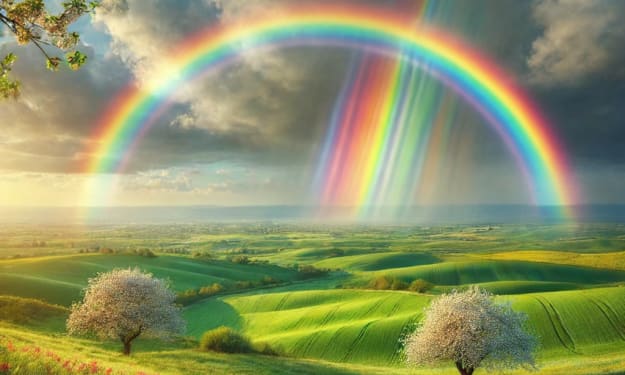
The Physics of Rainbows: A Springtime Phenomenon
It had just stopped raining. The air smelled fresh, and tiny droplets still clung to the grass. As Emma stepped outside, she caught sight of it—a perfect rainbow stretching across the sky. The colors were vibrant, glowing against the fading storm clouds. She reached for her phone, eager to capture the moment, but she couldn’t help but wonder: How do rainbows form? Why do they appear more often in spring? And why do they always have the same colors?
By Pure Crown2 years ago in Earth
Navigating Today’s World : A Complex Professional Landscape of Challenges and Opportunities
The fast-evolving world of today presents professionals with a dynamic and intricate environment molded by technology, globalization, and evolving public opinion. Business, leadership, and the workplace are all changing fundamentally, presenting unprecedented challenges and possibilities. To thrive here, one needs flexibility, foresight, and intimate familiarity with the interlinked forces at work.
By Abdul Rehman Furqan2 years ago in Earth
How Spring Impacts Your Sleep Cycle (and What to Do About It)
It was 5:30 AM, and Sarah found herself wide awake, staring at the ceiling. Just a month ago, she could sleep soundly until her alarm rang at 7 AM. But now, with spring in full swing, the morning sunlight streamed through her blinds earlier than ever, nudging her awake before she was ready. She felt groggy, her sleep interrupted, her body struggling to adjust. If you’ve ever noticed your sleep changing with the seasons, you’re not alone. Spring has a way of messing with our internal clocks, thanks to longer daylight hours, warmer temperatures, and even allergies. Scientists have studied how seasonal shifts affect our sleep cycles, and the evidence is clear: springtime can make it harder to get a full night’s rest. But why does this happen, and what can we do about it? How Spring Changes Your Sleep Cycle The shift from winter to spring is like nature flipping a switch. The days grow longer, the nights shorter, and suddenly, our carefully balanced sleep routine feels off. Sarah, like many others, didn’t realize that her body was responding to increased sunlight exposure. In winter, darkness lingers, allowing our brains to produce more melatonin, the hormone that signals bedtime. But when the sun rises earlier in spring, melatonin production slows down, making it harder to stay asleep in the morning. The evening sun also lingers, tricking the brain into delaying sleep, even when the body craves rest. Sarah had tried to go to bed earlier, but it wasn’t that simple. She found herself tossing and turning, unable to settle into deep sleep. Her bedroom felt warmer than usual, another culprit of spring-induced restlessness. Cooler temperatures help the body fall asleep faster, but as spring nights grow milder, it’s harder to reach that perfect sleep-friendly temperature. To make matters worse, pollen levels skyrocketed in spring, triggering her allergies. Congestion, itchy eyes, and sneezing fits kept her awake longer than she wanted. Even when she did sleep, she often woke up feeling unrested, her breathing affected by seasonal allergens. The Battle for Better Sleep in Spring Determined to reclaim her rest, Sarah made a few changes. She invested in blackout curtains, blocking out the early morning light that had been waking her too soon. Within days, she noticed an improvement—her body no longer jolted awake at sunrise. She also adjusted her evening routine, dimming the lights in her apartment an hour before bed and cutting back on screen time. Less exposure to artificial light helped her brain recognize that night had arrived, encouraging melatonin production. The temperature issue required a bit more effort. She started using lighter blankets and turned on a fan at night to keep her room cool. A warm shower before bed also helped, as the drop in body temperature afterward signaled to her brain that it was time to sleep. And then there were her allergies. She began showering before bed, washing the pollen off her skin and hair so it wouldn’t follow her into the sheets. Keeping her windows closed at night and running an air purifier helped reduce allergens in her bedroom. The difference was remarkable—she could finally breathe freely, and her sleep improved. Conclusion Spring can be a beautiful season, full of blooming flowers and longer days, but it also brings challenges to our sleep. Like Sarah, many people struggle with earlier sunrises, warmer nights, and seasonal allergies that disrupt rest. But with a few adjustments—blocking out morning light, keeping cool at night, and managing allergies—it’s possible to enjoy the beauty of spring without losing precious sleep. “Sleep is the best meditation.” — Dalai Lama Have you noticed changes in your sleep during spring? Do you wake up earlier or struggle to fall asleep? Let me know in the comments—I’d love to hear about your experience!
By Pure Crown2 years ago in Earth
Spring Weather Explained: The Science of Seasonal Shifts
season of change—one day it’s sunny and warm, the next, it’s stormy and cold. But why is spring’s weather so unpredictable? The answer lies in the science of atmospheric shifts, jet streams, and temperature differences between winter and summer. As Earth tilts towards the sun, spring marks a period of rising temperatures, increased moisture, and atmospheric instability, leading to rain showers, thunderstorms, and fluctuating conditions. This article dives into the science behind spring’s unpredictable weather and how it affects everything from plant growth to human activities. Why Spring Brings Warmer Temperatures 1. Earth’s Tilt and Solar Energy Spring begins when the Earth’s axis tilts towards the sun, increasing the amount of direct sunlight received in the Northern Hemisphere. More sunlight = More heat: Longer days mean more solar energy is absorbed by the land and ocean. Gradual warming: The sun’s angle becomes higher in the sky, slowly warming the air and melting winter snow. Latitudinal differences: Southern areas warm up faster than northern regions, creating temperature imbalances. This temperature shift doesn’t happen overnight, which is why spring often starts chilly and gradually becomes warmer. 2. How the Atmosphere Reacts As the land warms up, it heats the air above it, causing rising warm air that interacts with cooler air still lingering from winter. This clash of temperatures leads to unstable weather patterns, including: Rapid temperature swings: Warm days followed by sudden cold snaps. Gusty winds: The meeting of warm and cold air masses increases wind speeds. Frequent cloud formation: Rising warm air carries moisture, creating clouds and precipitation.
By Pure Crown2 years ago in Earth
The Biology of Spring: Why Plants (and People) Come Alive
time of renewal, bringing warmer temperatures, longer days, and bursts of color as nature awakens from its winter slumber. But what exactly causes this seasonal transformation? Why do flowers bloom, animals become more active, and even humans feel a sense of refreshing energy? The secret lies in biology. Plants, animals, and humans respond to environmental cues like sunlight, temperature, and moisture. These changes trigger everything from flowering in plants to hormonal shifts in humans that affect mood and energy levels. In this article, we’ll explore the fascinating biology of spring, how plants sense seasonal changes, and why humans feel revitalized during this season. The Science Behind Spring’s Awakening 1. How Do Plants Know It’s Spring? Plants don’t have calendars, yet they know exactly when to start growing in spring. This is because of photoperiodism—a biological response to changes in daylight length. During winter, shorter days and lower temperatures signal plants to go dormant, conserving energy. As spring arrives, longer daylight hours and warmer temperatures trigger a surge in growth hormones. Plants use special light-sensitive proteins called phytochromes to detect seasonal changes and start sprouting new leaves, flowers, and fruits. Many plants also rely on vernalization, a process in which exposure to winter cold is required before they can bloom. This ensures that they don’t start growing too early when frost could still damage them. 2. The Role of Temperature and Rainfall Besides light, plants also respond to temperature and moisture levels. Warmer soil helps seeds germinate, and increased rainfall provides the necessary water for growth and reproduction. Some plants, like cherry blossoms, need a period of winter chill before they can bloom in spring. Others, like tulips, store nutrients in their bulbs over winter and use them to grow rapidly once temperatures rise. Increased humidity and warmth also accelerate plant metabolism, leading to rapid growth and flowering.
By Pure Crown2 years ago in Earth