Science
Why Over 600,000 Bird Specimens Are Preserved at the Smithsonian
Preserving biodiversity: One of the primary reasons behind the Smithsonian's preservation of over 600,000 bird specimens is the crucial role they play in documenting and preserving global biodiversity. Birds are a diverse and ecologically significant group, and by maintaining this extensive collection, the Smithsonian ensures the availability of historical records for comparison and analysis.
By Ravi Tyagi3 years ago in Earth
Unveiling the Secrets: Why 11 Million Embalmed Specimens Are Stored in The Field Museum's Basement
Hidden beneath the magnificent exhibitions and awe-inspiring displays at The Field Museum in Chicago lies a vast collection of embalmed specimens numbering a staggering 11 million. This astonishing number might raise eyebrows and ignite curiosity among visitors and enthusiasts alike. Why are these specimens stored in the basement, and what purpose do they serve? In this article, we delve into the fascinating world of museum collections and explore the reasons behind the storage of these preserved treasures.
By Ravi Tyagi3 years ago in Earth
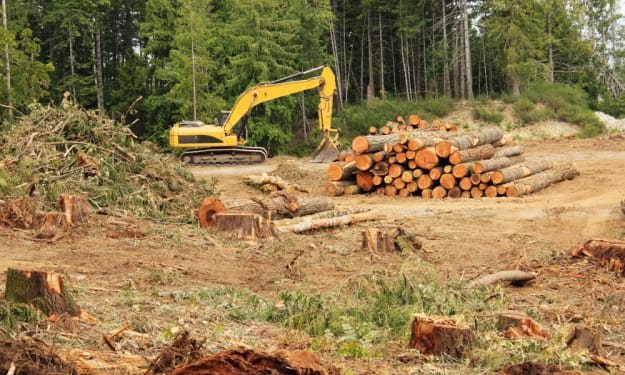
The Effect of Deforestation on Indigenous Peoples and Their Livelihoods
Deforestation, the widespread clearing of forests, has far-reaching consequences for both the environment and human communities. Among the most affected are indigenous peoples, who have long relied on forests for their livelihoods, cultural identity, and well-being. In this article, we will delve into the profound impact of deforestation on indigenous communities, exploring the social, economic, cultural, and environmental consequences they face as their ancestral lands are degraded and destroyed.
By Gokhan Polard3 years ago in Earth
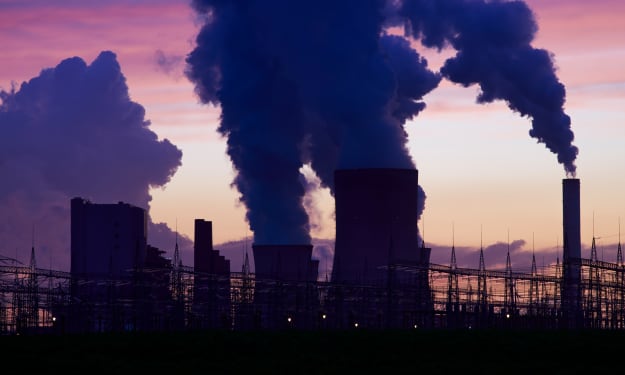
Environmental Chemistry and Its course Contents (2/4)
1.2.Introduction: Beside solid waste, wastewater pollution is also a major problem of the country. Untreated water from industries, agriculture, domestic, and textile directly discharged into the water bodies. This discharge pollutes the natural water bodies and cause water diseases to human. We can say that a large number of local industries that work on larger scale discharge tons of gallons of polluted water every day. This water contains heavy metals and other toxic chemicals that directly affect the living organism. Marine animals are also affected by this pollution. The presence of heavy metals in the polluted water may clog the gills of the fish and lead them their death.
By Fatima Jamil3 years ago in Earth
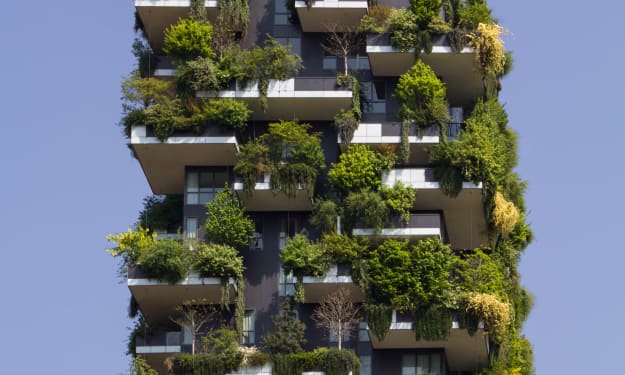
Building for the Future: Architecture's Role in Shaping a Sustainable and Resilient World
In the face of mounting environmental challenges, architecture emerges as a critical tool for combating climate change and fostering sustainability. This article delves into the transformative potential of architecture in creating a built environment that promotes ecological stewardship, enhances occupant well-being, and builds resilience in the face of a changing climate. By reimagining design principles, embracing green technologies, and prioritizing community engagement, architects can pave the way for a sustainable and resilient future.
By Shafiq Sahfudin3 years ago in Earth
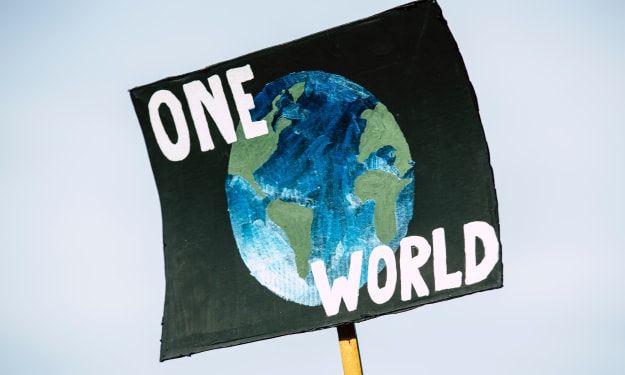
Nurturing a Sustainable Future: Uniting Against Climate Change
As our planet faces the escalating threats of climate change, the imperative to cultivate sustainability has become paramount. This article embarks on a comprehensive exploration of the intertwined realms of sustainability and climate change, unveiling their interconnectedness and presenting a holistic approach to forge a resilient future. By embracing sustainable practices and catalyzing transformative actions, we can foster a thriving world that perseveres through the challenges of a changing climate.
By Shafiq Sahfudin3 years ago in Earth
Embracing Sustainability: Navigating the Path to a Greener Future
In recent years, the urgency to address sustainability and combat climate change has reached unprecedented levels. With rising temperatures, extreme weather events, and ecological imbalances, the need for collective action has never been more apparent. In this article, we delve into the importance of sustainability and explore practical steps individuals, communities, and businesses can take to contribute to a greener future.
By Shafiq Sahfudin3 years ago in Earth
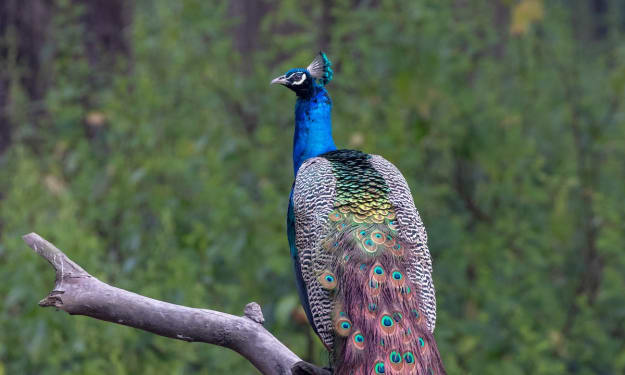
The Peacock
The Peacock: A Majestic Bird of Extraordinary Beauty With its vibrant and captivating plumage, the peacock is often hailed as one of the most majestic birds in the animal kingdom. This magnificent creature, scientifically known as the peafowl, is renowned for its extravagant display of feathers, stunning colors, and graceful movements. From ancient mythology to modern symbolism, the peacock has been celebrated for its extraordinary beauty and continues to captivate the hearts and minds of people around the world.
By Ayaanahamed3 years ago in Earth
Gas Prices in the USA
Gas costs in the USA have been rising gradually for the previous few months. In January 2023, the common charge of a gallon of everyday unleaded gas used to be $3.32. By May 2023, that charge had risen to $4.25. This amplify in gasoline expenses is due to a quantity of factors, such as the combat in Ukraine, rising demand, and provide chain disruptions.
By Shreeshyam Enterprises3 years ago in Earth
The Rebellion's Last Stand
The year was 2150, and the world had fallen into the grip of a tyrannical regime known as The Dominion. Under their iron fist, society had crumbled into a dystopian nightmare. Cities were overrun with surveillance cameras, citizens lived in constant fear, and individual freedoms were nothing but a distant memory.
By 34 Rajnish kumar3 years ago in Earth
Wings
Wings have long been used as a symbol of power, freedom, and spirituality. In mythology, many gods and goddesses are depicted as having wings, or having the power to fly with them. In many different cultures, wings are associated with rising to the heavens, or becoming closer to the divine. They are also closely connected to birds, which often represent freedom and strength.
By M.R.FATHIMA HASBANA3 years ago in Earth
ARE EARTH
ARE EARTH here is where you live and this is where you live in your neighborhood the solar system here's the distance between the Earth and the moon doesn't look too far does it think again at their farthest point the earth and the moon are two hundred and fifty two thousand eighty eight miles away inside that distance you could fit every planet in our entire solar system but let's talk about planets the Great Red Spot on Jupiter that's about two times as big as Earth and Saturn is about nine times wider than Earth Saturn's rings are so large that a few of the fragments within them are as large as mountains but that's nothing compared to our Sun just remember this is Earth and this is Earth from the moon this is Earth from Mars
By Farooq Sajid3 years ago in Earth