Science
The Description Of Nature
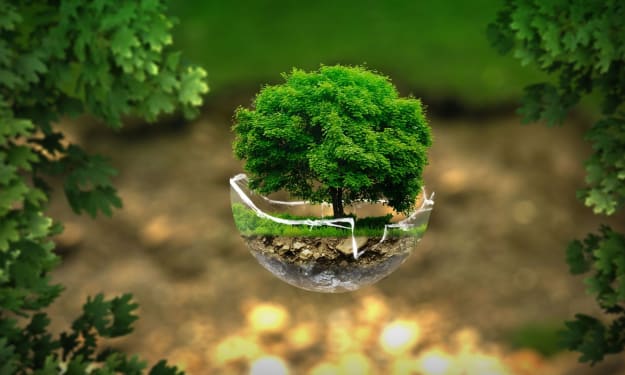
"Nature" encapsulates the intricate and diverse web of life, encompassing the physical world and its elements that exist independently of human intervention. It is a harmonious symphony of ecosystems, landscapes, organisms, and natural processes that have evolved over eons, forming the very foundation of our planet's existence. From the majestic mountains that kiss the sky to the delicate petals of a wildflower, nature's beauty and complexity inspire awe and wonder in us all.
By Onuh Elijah3 years ago in Earth
Revolutionizing the Dairy Industry
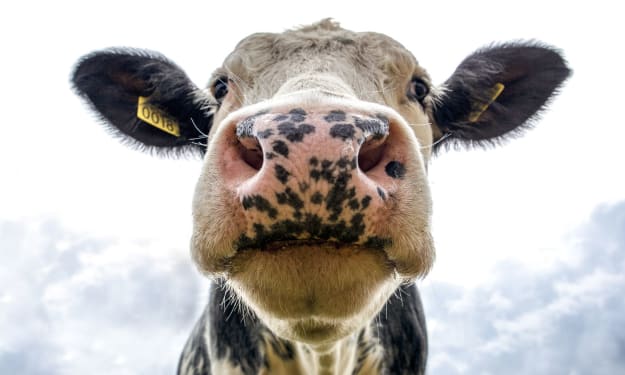
The dairy industry stands on the brink of a remarkable transformation, and it's not due to a new breed of cows or a radical change in farming practices. Instead, the source of this disruption lies in a simple yet revolutionary concept: lab-grown dairy protein. This white powder, produced through a process known as precision fermentation, has the potential to reshape the dairy landscape by offering a sustainable and environmentally friendly alternative to traditional animal-derived dairy.
By Stella Oehtam3 years ago in Earth
The Lifelong Legacy
Introduction Within the hallowed halls of the Smithsonian Natural History Museum, an unspoken narrative unfolds – a tale of preservation, discovery, and a commitment to unraveling the secrets of the natural world. With a staggering collection of over 600,000 bird specimens spanning the last two centuries, the museum stands as a living testament to the dedicated work of specialists who meticulously preserve these delicate avian treasures. These specimens, often tucked away from public view, play a pivotal role in groundbreaking research, from understanding the impact of airplane collisions to unraveling the nuances of evolutionary adaptations. Join us as we delve into the captivating journey of specimen preservation and the profound impact it holds for generations to come.
By Stella Oehtam3 years ago in Earth
Unveiling Prehistoric Mysteries
Introduction Step into the mesmerizing world of the La Brea Tar Pits in Los Angeles, where a treasure trove of perfectly preserved prehistoric artifacts, including a colossal giant sloth pelvis, lays hidden beneath the surface. For over a century, scientists have meticulously excavated these remarkable specimens, unearthing secrets from an ancient past that spanned 25,000 to 45,000 years ago. Dive into this extraordinary journey as we explore how these fossilized wonders are discovered, carefully cleaned, and pieced together to create a comprehensive timeline of life in the region over the last 50,000 years.
By Stella Oehtam3 years ago in Earth
Waste to Shine
Introduction In the heart of Vietnam, a dynamic company is spearheading a green revolution that transcends traditional waste management practices. Fuwa Biotech, a Vietnamese trailblazer, has harnessed the potential of innovation to transform discarded fruit scraps into natural soaps and cleansers. This extraordinary process not only addresses the mounting waste issue but also showcases the intricate relationship between science, nature, and sustainable living. From fruit scraps to eco-friendly cleansers, Fuwa Biotech is rewriting the rules of waste management and setting a precedent for a more environmentally conscious future.
By Stella Oehtam3 years ago in Earth
What If We Killed All Mosquitoes?
Mosquitoes are considered to be the most lethal creatures on the planet. They have the ability to extract blood from their hosts and transmit diseases, resulting in the deaths of nearly one million individuals annually. Despite the mention of vampires, lions, and gorillas, it is indeed mosquitoes that are being referred to. The question of whether mosquitoes are truly this dangerous arises, and the potential consequences of their eradication are explored. It may seem improbable that such a small insect could pose such a significant threat, but the reality is that mosquitoes are responsible for the spread of diseases such as malaria, yellow fever, and the Dengue virus. This is achieved by biting an infected individual and subsequently biting another, thereby injecting the virus or bacteria into the bloodstream. The impact of mosquitoes is not limited to humans, as animals and livestock are also affected. A single bite from a mosquito can prove to be fatal. If mosquitoes were to be eliminated, the effects would be far-reaching and potentially catastrophic.
By Haruhi Nezumi3 years ago in Earth
Cultivating Sustenance: The Nexus of Agriculture and Food Production
**Introduction** Agriculture and food production form the cornerstone of human survival and progress. From ancient civilizations to modern societies, the ability to cultivate crops and rear livestock has fueled the growth of civilizations, shaped cultures, and sustained communities. Today, however, the challenges of a growing global population, changing climate patterns, and the need for sustainability have transformed the landscape of agriculture and food production. In this article, we delve into the vital interplay between agriculture and food production, examining their significance, current challenges, innovative solutions, and the path forward towards a more resilient and equitable food future.
By kathy rich3 years ago in Earth
Balancing the Equation: Overpopulation and Resource Depletion in the Modern World
**Introduction** The world's population continues to grow at an unprecedented rate, exerting increasing pressure on Earth's finite resources. Overpopulation, coupled with unchecked consumption patterns, has led to the depletion of essential resources and raised concerns about the sustainability of our planet. This article delves into the complex interplay between overpopulation and resource depletion, examines the challenges posed by this convergence, and explores potential solutions to achieve a more harmonious relationship between humanity and the environment.
By kathy rich3 years ago in Earth
Striking a Balance: Exploring Technological Advancements and Their Environmental Impact
**Introduction** Technological advancements have revolutionized nearly every aspect of modern life, enhancing convenience, connectivity, and efficiency. However, as technology accelerates, its environmental impact comes into sharper focus. From energy consumption to waste generation, the expansion of technology often carries unintended consequences for the environment. This article delves into the intricate relationship between technological progress and its environmental implications, examining the key areas of concern, innovative solutions, and the role of responsible innovation in shaping a more sustainable future.
By kathy rich3 years ago in Earth
Nurturing Tomorrow Through Sustainable Resource Use
**Introduction** In an interconnected world grappling with environmental challenges and finite resources, the concept of sustainable resource use emerges as a beacon of hope. As our global population grows and economies expand, the pressure on natural resources intensifies. However, the paradigm is shifting towards a more responsible approach that considers the long-term health of our planet. Sustainable resource use is not just a concept; it's a mindset that fosters harmony between human needs and ecological balance. This article delves into the essence of sustainable resource use, its importance, key principles, and the collective journey towards a more resilient future.
By kathy rich3 years ago in Earth