
What If We Killed All Mosquitoes?
They're the deadliest thing on Earth.

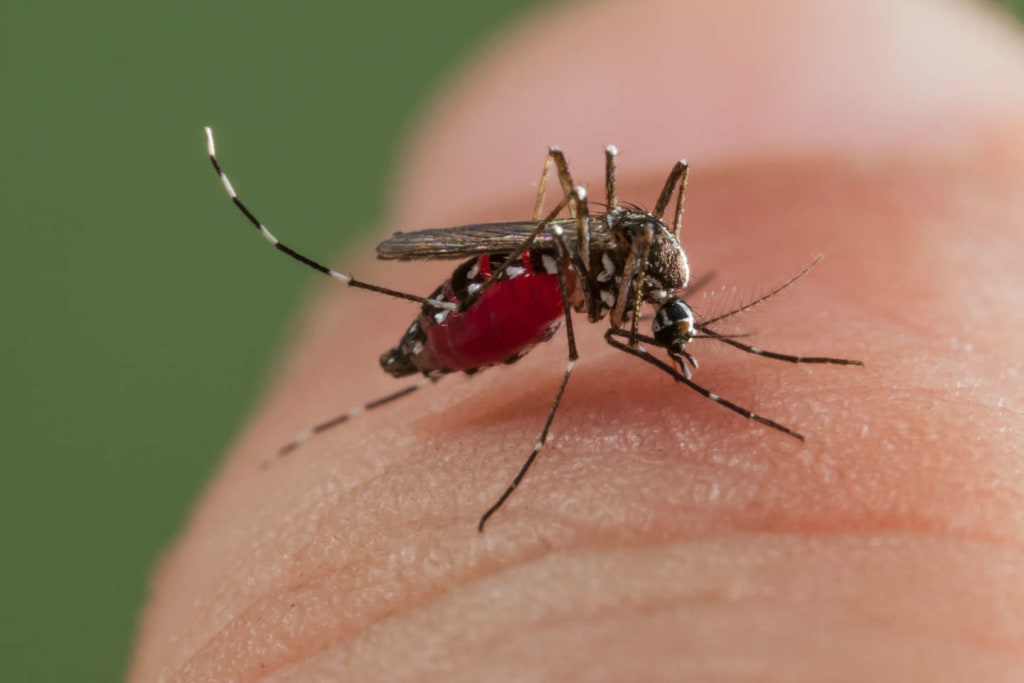
Mosquitoes are considered to be the most lethal creatures on the planet. They have the ability to extract blood from their hosts and transmit diseases, resulting in the deaths of nearly one million individuals annually. Despite the mention of vampires, lions, and gorillas, it is indeed mosquitoes that are being referred to. The question of whether mosquitoes are truly this dangerous arises, and the potential consequences of their eradication are explored. It may seem improbable that such a small insect could pose such a significant threat, but the reality is that mosquitoes are responsible for the spread of diseases such as malaria, yellow fever, and the Dengue virus. This is achieved by biting an infected individual and subsequently biting another, thereby injecting the virus or bacteria into the bloodstream. The impact of mosquitoes is not limited to humans, as animals and livestock are also affected. A single bite from a mosquito can prove to be fatal. If mosquitoes were to be eliminated, the effects would be far-reaching and potentially catastrophic.
In order to eliminate these insects, it is imperative that we first determine the precise number of mosquitoes present in the world. However, this task is exceedingly challenging. It has been estimated that Alaska alone is home to seven trillion mosquitoes, due in part to global warming and rising ocean temperatures, which have enabled mosquitoes to thrive in previously inhospitable regions. Moreover, there are trillions of mosquitoes worldwide. There are several methods that could be employed to eradicate these pests. For instance, bats are natural predators of mosquitoes and can consume up to 600 of them in an hour without any adverse effects. In theory, if we were to introduce a sufficient number of bats, they could effectively eliminate mosquitoes across the globe. However, this solution raises the question of how to manage the billions of bats that would be necessary to achieve this goal. Therefore, this may not be the most viable option. Another crucial factor to consider is the reproductive cycle of mosquitoes. Contrary to popular belief, mosquitoes do not feed on human blood for sustenance; rather, they do so to nourish their larvae. Therefore, eliminating our blood supply would not be an effective solution. Instead, we may need to explore the possibility of releasing genetically modified male mosquitoes.
It is proposed that genetically modified mosquitoes, which are incapable of biting and can only produce sterile offspring, be utilized to eradicate mosquitoes. Although this process may take several decades, the ultimate result would be the eradication of mosquitoes. The absence of mosquitoes would prevent millions of people from getting sick and dying each year, and would allow individuals to enjoy outdoor activities without fear of being bitten. Additionally, animals would be safer. While some may argue that mosquitoes contribute to the food chain, it is true that certain birds, bats, and frogs consume mosquitoes.
However, the inclusion of mosquitoes in the diets of other creatures is not yet a substantially significant factor. These animals can continue to thrive even in the absence of mosquitoes. While it is true that mosquitoes play a role in pollinating plants, this contribution is not significant enough to warrant the preservation of the species. The question remains whether the eradication of mosquitoes is the appropriate course of action, considering the fact that it would entail the elimination of an entire species. It is important to note that there are thousands of mosquito species, but only six of them are known to bite humans and transmit diseases.
Not only that, but there exist certain theories that suggest mosquitoes may play a role in safeguarding the Amazon rainforest. This is due to their lethal and bothersome nature, which impedes the efforts of those attempting to deforest the region. In fact, at times, these insects have been known to prevent such activities altogether. Furthermore, given the rapid growth of the human population, it is possible that mosquitoes are inadvertently assisting in population control. However, it must be noted that the eradication of mosquitoes would undoubtedly yield positive outcomes, such as a reduction in disease and mortality rates. Nevertheless, it is important to consider the potential consequences of such an action, particularly if it were to result in the sudden loss of half of the world's population. This scenario warrants further exploration
About the Creator
Enjoyed the story? Support the Creator.
Subscribe for free to receive all their stories in your feed.
Comments
There are no comments for this story
Be the first to respond and start the conversation.