Science
PLUTO REALLY EXIST?. AI-Generated.
Pluto was discovered on February 18, 1930, by American astronomer Clyde Tombaugh at the Lowell Observatory in Flagstaff, Arizona. Initially hailed as the ninth planet in our solar system, Pluto's status was called into question in the early 21st century as astronomers debated its classification. In 2006, the International Astronomical Union redefined the criteria for what constitutes a planet, leading to Pluto's reclassification as a dwarf planet.
By Awin Stella2 years ago in Earth
The 10 largest dinosaurs in history . AI-Generated.
The 10 largest dinosaurs in history If you like dinosaurs, you will love this ranking of the 10 largest dinosaurs in history! The most gigantic animals that populated planet Earth and left us the most incredible fossils. Argentinosaurus Argentinosaurus is a titanosaurian sauropod dinosaur that lived more than 95 million years ago during the Cretaceous period, in what is now South America. with an estimated length between 30 and 39.7 meters and a weight of up to 90 tons. Diplodocus Diplodocus is a genus of diplodocid sauropod dinosaurs that lived during the late Jurassic period, approximately 155.7 to 145 million years ago, in what is now North America. This dinosaur is one of the most studied sauropod dinosaur taxa to date by paleontologists, represented by the discovery of more than 100 specimens since its discovery in 1878. Brachiosaurus The Brachiosaurus is one of the largest dinosaurs that has ever existed on our planet, It is a herbivorous brachiosaurid sauropod that measured more than 12 meters in height and weighed between 30 and 45 metric tons. It was discovered in the Grand Canyon of the Colorado in 1900. Apatosaurus Apatosaurus is a long-necked dinosaur that lived during Mesozoic time. This creature could weigh between 20 and 30 tons and measure more than 20 meters long, and it fed exclusively on plants. Despite being herbivorous, Apatosaurus was feared by other large animals due to its large size and the force it generated with the shakes of its long tail. Seismosaurus Seismosaurus is a dinosaur that has been the subject of controversy and has been considered a dubious genus by some paleontologists. It received its name because it was believed to generate small earthquakes with every step it took. Supersaurus Supersaurus is a genus of diplodocid sauropod dinosaurs that lived during the late Jurassic period, approximately 155.7 to 150.8 million years ago in what is now North America and possibly Europe. This huge herbivore was a close relative of Apatosaurus and Diplodocus, and like the latter, it had spines on its back. The Supersaurus was first discovered in 1972 by James A. Jensen in western Colorado, United States. Sauroposeidon Sauroposeidon is a brachiosaurid sauropod dinosaur that lived during the last phase of the Cretaceous period in Mesozoic time. It is a herbivore with a long neck that made it famous as the tallest dinosaur known to date. Mamenchisaurus Mamenchisaurus is a genus of sauropod dinosaurs that lived in what is now Asia during the Late Jurassic period, approximately 163 to 145 million years ago. This group of dinosaurs had long necks and medium to large dimensions. Giganotosaurus The Giganotosaurus was a huge carnivorous dinosaur that lived during the Cretaceous era, approximately 97 to 100 million years ago. Discovered in Argentina by Rubén Carolina, this predator measured between 12 and 15 meters long and weighed around 12 tons. Cetiosaurus Cetiosaurus is an extinct genus of herbivorous sauropod dinosaurs that lived during the Jurassic period, between 181 to 169 million years ago, in Europe and Africa. It was the first sauropod discovered and named in England. Some species of Cetiosaurus were up to 18 meters long and were quadrupeds with very long necks and tails.
By Isabela Stender 2 years ago in Earth
Earth's Most Bizarre and Mind-Blowing Natural Disasters
Way back in 774 to 775, Earth got zapped with an epic burst of radiation that left its mark for centuries. This cosmic energy blast was so intense that tree rings from that time are still glowing with unusually high levels of radioactive stuff. So, what could have caused this mega-radiation event? Let’s dive into the mystery of this ancient cosmic whodunit!
By Lilith Evergarden2 years ago in Earth
Our Ocean's Hidden Symphony: A Deep Dive into the Microscopic Masters of the Seas. AI-Generated.
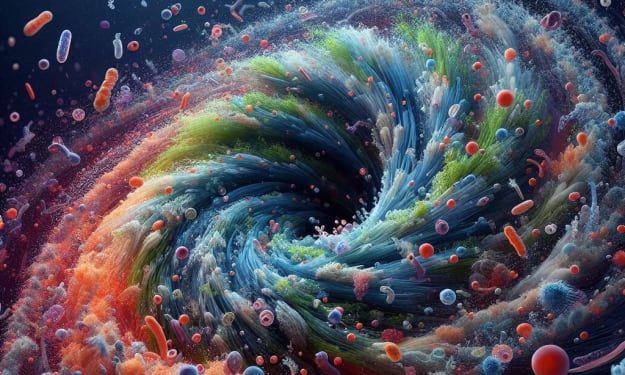
Our Ocean's Hidden Symphony: A Deep Dive into the Microscopic Masters of the Seas Imagine a vast, underwater metropolis teeming with life, yet invisible to the naked eye. This isn't science fiction; it's the reality of our oceans, where microscopic microbes orchestrate a symphony essential for the health of our planet. While the ocean covers two-thirds of Earth's surface, its true importance is only beginning to be revealed, thanks to a newfound appreciation for these tiny powerhouses.
By suren arju2 years ago in Earth
Powering Our Future: A Shift Towards Clean Energy Sources. AI-Generated.
Powering Our Future: A Shift Towards Clean Energy Sources The world we live in is fueled by an insatiable hunger for energy. From the moment we wake up to the lights illuminating our homes to the information constantly flowing through our devices, a steady supply of power is the lifeblood of modern civilization. Currently, over 85% of this energy comes from the burning of fossil fuels – oil, coal, and natural gas.
By suren arju2 years ago in Earth
The Silent Giants: Unveiling the Secrets of the Plant Kingdom. AI-Generated.
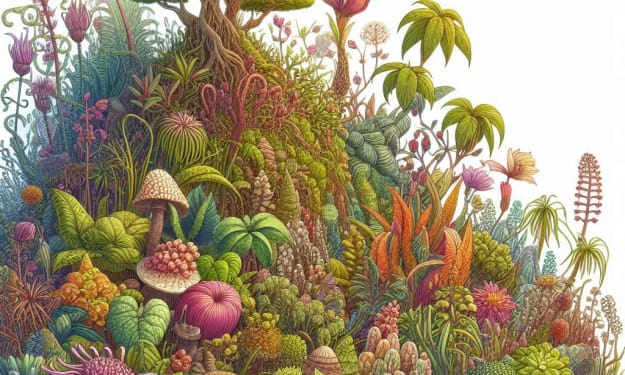
The Silent Giants: Unveiling the Secrets of the Plant Kingdom They stand tall and silent, gracing our landscapes and sustaining our very existence. Plants, the unseen heroes of our planet, are the foundation of life on Earth. From the towering redwoods to the delicate orchids, they not only provide us with the air we breathe and the food we eat, but also fuel our homes and even some of our building materials. However, unlike animals who can flee from danger, plants are vulnerable to environmental threats and relentless pathogens. This unique challenge has ignited a surge in plant research, a field dedicated to unlocking the secrets of these silent giants. This research delves into a variety of fascinating areas, each with the potential to revolutionize our understanding and interaction with the plant world.
By suren arju2 years ago in Earth
Science "FACTS" that are Widely Believed...but WRONG!
There are many so-called science facts we take for granted, but I can think of at least five widely believed facts that aren't true. These misconceptions are so ingrained in our psyche that you might not believe what I'm saying. You’ll probably want to Google them to double-check, and I encourage you to do so. Here are the facts I'm going to refute:
By Pauline Steven2 years ago in Earth
Hidden Depths, Hidden Potential: Unveiling the Power of Aquatic Foods in a Changing World. AI-Generated.
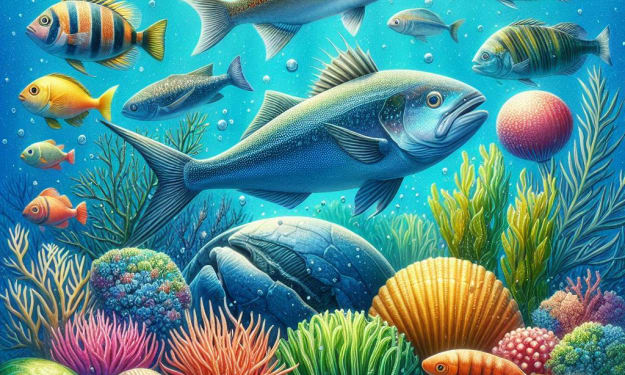
Hidden Depths, Hidden Potential: Unveiling the Power of Aquatic Foods in a Changing World Imagine a future where glistening kelp forests sway beneath the surface, teeming with life. Picture vibrant coral reefs teeming with fish, not just a captivating spectacle, but a vital source of nutritious food for a growing global population. This isn't just a utopian dream; it's a very real possibility thanks to the often-overlooked potential of aquatic foods.
By suren arju2 years ago in Earth
Did the future already happen-The paradox of time?
Did the Future Already Happen? The Paradox of Time Do your past, present, and future all exist simultaneously? Is it possible that you are watching this video, being born, and lying on your deathbed all at the same time? Surprisingly, the answer could be yes. But how can that be? What does that even mean? How does time work?
By Pauline Steven2 years ago in Earth
OPINION | Little big polluters
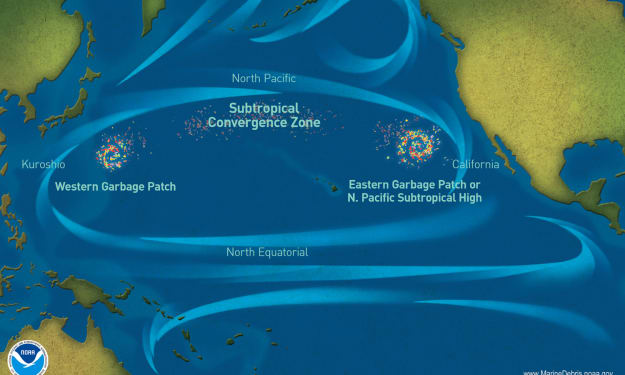
In the Pacific Ocean, plastic wastes converge in patches over a large area encompassing the majority of the ocean’s area. Known as the Great Pacific Garbage Patch (GPGP), this area covers roughly 1.6 million square kilometers and is estimated to contain around 1.8 trillion pieces of plastic. With the Philippines being a top contributor in the plastic pollution worldwide, this is one area in the global efforts against the climate emergency the country can make an actual, felt change happen.
By CJ Argallon2 years ago in Earth