Science
The Kangaroo Chronicles. AI-Generated.
Ah, the kangaroo. The epitome of Australian wildlife. With their adorable faces, powerful legs, and pouches that make you question the limits of biology, kangaroos have hopped their way into the hearts of many. But behind those endearing eyes lies a creature that’s not just a hopping bundle of joy. So, how dangerous are kangaroos? Let’s hop right in and explore, with a dash of comedy, of course. What Exactly is a Kangaroo? Before we delve into the dangers, let’s understand what a kangaroo is. Kangaroos are marsupials belonging to the family Macropodidae, which literally means “big foot” (take that, Sasquatch). These iconic animals are native to Australia and nearby islands, and they come in various shapes and sizes, with the red kangaroo being the largest and most well-known. Kangaroos are herbivores with a diet primarily consisting of grasses and other vegetation. They have powerful hind legs for jumping, a muscular tail for balance, and a pouch for carrying their young, called joeys. In short, they’re nature’s version of a Swiss Army knife—versatile and equipped for survival in the harsh Australian outback. How Dangerous Are Kangaroos? Now, let’s address the kangaroo in the room: their potential danger. While kangaroos aren’t out to get you like some Hollywood villain, they can be dangerous under certain circumstances. Here’s why: 1. Powerful Legs: Kangaroos have incredibly strong hind legs that they use for jumping and delivering powerful kicks. If threatened or cornered, a kangaroo can use its legs to deliver a kick that could send you flying faster than a boomerang on a windy day. 2. Sharp Claws: Those cute little paws? They hide sharp claws that kangaroos use for defense. A swipe from a kangaroo can leave you with more than just a scratch. 3. Boxing Matches: Kangaroos are known for their boxing behavior, which is actually a display of dominance and territory. If you find yourself in the middle of a kangaroo boxing match, it’s best to back away slowly and leave the ring to the professionals. 4. Protective Mothers: Just like any other wild animal, kangaroo mothers are fiercely protective of their joeys. If you get too close to a mother kangaroo and her young, you might find yourself on the receiving end of her protective instincts. Comedy Time: Kangaroo Encounters Let’s lighten the mood with some humorous kangaroo encounters. Imagine you’re a tourist in Australia, ready to snap a selfie with a kangaroo. You approach cautiously, your camera at the ready. The kangaroo looks at you, sizing you up. You think, “What’s the worst that could happen?” Suddenly, the kangaroo springs into action, delivering a kick that sends your hat flying and your dignity with It. You quickly realize that posing with a kangaroo is not for the faint of heart. Or picture this: you’re on a peaceful hike through the Australian bush, admiring the scenery. Out of nowhere, a kangaroo hops into your path. You freeze, remembering all the YouTube videos of kangaroo boxing matches. The kangaroo eyes you warily, and you slowly back away, hoping it doesn’t challenge you to a duel. You might laugh about it later, but in the moment, it’s a heart-pounding encounter. Co-existing with Kangaroos For those living in kangaroo-populated areas, co-existing with these hopping wonders involves a bit of common sense and respect. Here are some tips: 1. Keep Your Distance: Admire kangaroos from afar. They might look cute, but they’re wild animals with powerful legs and sharp claws. 2. Don’t Feed Kangaroos: Feeding kangaroos can encourage them to approach humans, leading to potentially dangerous encounters. 3. Stay Calm: If you encounter a kangaroo, stay calm and avoid sudden movements. Back away slowly and give the kangaroo space. 4. Be Cautious During Mating Season: Male kangaroos can be more aggressive during mating season. Keep an extra distance during this time. The Role of Kangaroos in the Ecosystem Despite their potential dangers, kangaroos play a vital role in the Australian ecosystem. As herbivores, they help maintain the balance of plant life by grazing on grasses and vegetation. Their grazing habits can prevent overgrowth and reduce the risk of wildfires. In essence, kangaroos are nature’s landscapers, keeping the outback in check with their grazing and hopping. Kangaroos are also an important part of the food chain. They are prey for larger predators such as dingoes and eagles. By being a food source for these predators, kangaroos contribute to the overall health and balance of the ecosystem. It's a wild, interconnected dance of life, and kangaroos are a key player in the outback symphony. In Conclusion So, how dangerous are kangaroos? While they can pose a threat under certain circumstances, they’re not out to get you. Treat them with the respect they deserve, and you’ll have a safe and memorable experience in the land of hopping wonders. Remember, in the grand Australian wildlife danger spectrum, they’re somewhere between a curious koala and a crocodile with a bad attitude. Treat kangaroos with respect, and you’ll be able to enjoy the beauty and wonder of these iconic Australian creatures. In the end, kangaroos are fascinating animals that are a vital part of Australia’s unique biodiversity. With their powerful legs, adorable joeys, and occasional boxing antics, they capture the imagination and admiration of people worldwide. So, the next time you encounter a kangaroo, remember to keep your distance, respect their space, and appreciate the wonder of one of Australia’s most iconic creatures. Relevant Resources - [National Geographic: Kangaroo](https://www.nationalgeographic.com/animals/mammals/facts/kangaroo) - [Australian Government: Kangaroos](https://www.environment.gov.au/topics/wildlife-and-threatened-species/wildlife-conservation/kangaroos) - [BBC Earth: Everything You Need to Know About Kangaroos](https://www.bbcearth.com/blog/?article=everything-you-need-to-know-about-kangaroos)
By Vishnu venugopal 2 years ago in Earth
From Fierce Predators to Couch Potatoes. AI-Generated.
Once upon a time, in a world long before Instagram cat stars and viral kitty memes, our feline friends were wild, fierce, and wholly undomesticated. This is the thrilling and curious tale of how humans and cats went from wary cohabitants to inseparable companions. The Great Mouse Chase Begins Our story begins some 10,000 years ago in the Fertile Crescent, a region that stretches across parts of modern-day Middle East. This area was the cradle of agriculture where humans first settled into farming communities. With the advent of farming came the storage of surplus crops—and with crops came a big problem: pests. Enter the rodent army. Just when humans were at their wit’s end, seeking a solution to the rodent invasion, a group of wildcats—our story’s unsung heroes—noticed the abundance of easy prey. These wildcats, known as Felis silvestris lybica, found the granaries to be a buffet worth fighting over. The Unlikely Alliance: Cats and Humans Initially, the relationship between humans and cats was purely transactional. Humans needed help controlling pests, and wildcats found an all-you-can-eat rodent buffet. It was a win-win scenario—until the first cat decided to saunter into a human settlement. Imagine a prehistoric farmer waking up to find a sleek, stealthy predator lounging in his granary. The initial reaction? Probably a mix of fear and curiosity. But as the farmer noticed fewer pests and the wildcat showing no signs of aggression, a truce of sorts began. From Tolerance to Trust: The Bond Strengthens As time passed, a curious transformation occurred. Wildcats who were more tolerant of human presence—and perhaps even a bit curious themselves—began to spend more time around human settlements. These cats, with their laid-back attitudes, were more likely to survive and reproduce. Slowly but surely, natural selection favored the friendlier, more social cats. Humans, on their part, began to appreciate these feline freeloaders. They might have offered scraps or leftovers to the cats, further strengthening the budding bond. This mutual tolerance eventually blossomed into a more trusting relationship. The First Domesticated Cats: Egyptian Allies Fast forward to ancient Egypt, where the relationship between humans and cats hit a new milestone. The Egyptians didn’t just tolerate cats—they revered them. Cats were associated with Bastet, the goddess of home, fertility, and protection. This sacred status granted cats a special place in Egyptian households. Imagine walking through an ancient Egyptian village and seeing cats lounging in luxury, adorned with jewelry, and even being mummified alongside their human companions. The Egyptians’ adoration for cats spread across the ancient world, solidifying the bond between humans and felines. Cats Go Global: The Grand Expansion As trade routes expanded, so did the reach of our feline friends. Cats traveled with traders, explorers, and merchants, spreading across continents. They adapted to various cultures and climates, cementing their status as valuable pest controllers and beloved companions. The Romans, for Instance, admired cats for their hunting prowess and kept them on ships to control rats. By the Middle Ages, cats had spread across Europe, Asia, and beyond. Their reputation as skilled hunters and enigmatic companions only grew. The Dark Ages: Superstition and Survival However, our tale takes a dark turn during the Middle Ages. In Europe, superstition and fear cast a shadow over our feline heroes. Cats, especially black ones, were often associated with witchcraft and the devil. This led to widespread persecution and killing of cats, ironically worsening the rodent problem. But the resilient cats endured. Their survival was, once again, tied to their relationship with humans. When the Black Death (plague) ravaged Europe, cats made a comeback as essential allies in controlling the rodent population, which helped curb the spread of the disease. The Modern Era: Cats in the Lap of Luxury As we zoom into the modern era, the story of domesticated cats becomes one of comfort, companionship, and celebrity status. Gone are the days of mere pest control; today’s cats enjoy pampered lives, complete with gourmet food, cozy beds, and social media stardom. Imagine a modern home with a cat perched regally on a windowsill, basking in the sunlight. Cats have become symbols of independence, mystery, and elegance. They maintain a certain aloofness that only adds to their charm, making them the perfect subjects for internet adoration. The Science of Domestication: What Makes a Cat, a Cat? Behind this thrilling tale of domestication lies some fascinating science. Genetic studies have shown that domestic cats retain many of their wild traits. Unlike dogs, whose domestication involved significant behavioral and physical changes, cats have remained relatively unchanged. This is partly because their role as pest controllers didn’t require the same level of human intervention as other domesticated animals. Domestic cats still possess the keen hunting instincts of their wild ancestors. They’re skilled predators, capable of extraordinary feats of agility and precision. However, through thousands of years of coexistence with humans, they’ve developed behaviors that endear them to us—like purring, kneading, and those adorable head-butts. The Curious Case of Cat Behavior One of the most curious aspects of domesticated cats is their behavior. Cats are known for their independence, often appearing aloof and mysterious. Yet, they’re also capable of deep affection and loyalty. This duality makes them endlessly fascinating to cat lovers. Consider the cat’s “slow blink,” a gesture that signifies trust and affection. When a cat slowly blinks at you, it’s akin to a human giving a warm smile. Or the "kneading" behavior, where cats press their paws into soft surfaces—this harks back to kittenhood when they kneaded their mother’s belly for milk. These behaviors, rooted in their wild past, create a unique bond between cats and their human companions. The Future of Feline Domestication As we look to the future, the bond between humans and cats shows no signs of waning. In fact, it’s growing stronger. With advances in veterinary care, nutrition, and understanding of feline behavior, our ability to care for and connect with cats continues to improve. Imagine a world where cats have their own apps, designed to keep them entertained while their humans are away. Or where genetic research helps us understand and preserve the diversity of feline breeds. The possibilities are endless, and the future of our relationship with cats looks brighter than ever. Conclusion: The Tale Continues And so, the thrilling and curious tale of how we domesticated cats comes to a close—or does it? In reality, this is an ongoing story, with new chapters being written every day. Each purr, each playful pounce, and each affectionate nuzzle adds to the rich tapestry of our shared history. From wild hunters to cherished companions, cats have woven themselves into the fabric of human life. So, the next time you see your cat lounging in the sun or playfully chasing a toy, remember the incredible journey that brought them to your home. It's a tale of survival, adaptation, and above all, a testament to the unbreakable bond between humans and their feline friends. I hope you enjoyed this paws-itively thrilling tale as much as I enjoyed crafting it! What are your thoughts?
By Vishnu venugopal 2 years ago in Earth
The Tale of Man's Best Friend. AI-Generated.
In a world where towering predators roamed the wild and survival often hinged on the most cunning strategies, an unlikely partnership began to form. It’s a tale as old as time, a story etched into the very essence of human history. Welcome, dear reader, to the incredible journey of how the wild wolf transformed into man’s best friend – the beloved dog. The Dawn of a Unique Partnership Picture this: it’s the twilight of the last Ice Age, some 15,000 to 40,000 years ago. Early humans, equipped with rudimentary tools and boundless curiosity, navigated through an untamed world. Amidst the shadows of the forests and the expanses of the open plains, packs of wolves roamed. These creatures, fierce and formidable, were the epitome of wild survival. But not all wolves were alike. Among the packs were the more curious and less aggressive ones, those who dared to venture closer to human encampments, drawn by the scent of food scraps. It was a cautious dance at first – a wary proximity between two different worlds. From Wolves to Camp Companions As these braver wolves loitered near human settlements, a remarkable transformation began. The humans, recognizing the potential advantages, started to leave out more food for these wolves. In return, the wolves provided an early warning system for approaching danger and scavenged the campgrounds clean of refuse. This symbiotic relationship flourished over generations. The friendlier, less aggressive wolves thrived in this new niche, and through natural selection, these traits were passed on. Slowly but surely, wolves that interacted with humans started to evolve into something entirely new. Selective Breeding: The First Steps to Domestication With time, early humans began to play a more active role in the evolution of these wolves. They started selectively breeding wolves that exhibited desirable traits – those who were less skittish, more sociable, and had a penchant for cooperation. The bond grew stronger, and the mutual benefits became more pronounced. The wolves began to understand the nuances of human gestures and commands, and humans, in turn, started to appreciate the wolves’ remarkable hunting prowess and loyalty. This selective breeding process led to the gradual emergence of the first proto-dogs – creatures that were genetically distinct from their wild counterparts. The Role of Agriculture and Settlements As human societies transitioned from nomadic lifestyles to more settled agricultural communities, the bond with these early dogs deepened. Dogs proved to be invaluable in a myriad of tasks – from herding livestock to guarding crops against pests and even serving as companions during long, solitary days. The domesticated dogs became an integral part of human communities, and their roles diversified. They were hunters, protectors, helpers, and friends. Archaeological evidence from ancient sites, such as burial grounds where humans and dogs were laid to rest together, underscores the profound emotional connection that had developed. A Global Phenomenon The domestication of dogs wasn’t confined to a single region. It occurred independently in different parts of the world. DNA analysis of modern dogs reveals that while most dogs today share a common ancestor with ancient Eurasian wolves, there were also multiple instances of domestication events in other regions. For instance, ancient American dogs show genetic traces of a separate domestication event. This suggests that wherever humans went, the affinity for canine companionship followed. Dogs adapted to various climates, geographies, and human cultures, showcasing an incredible versatility that helped them become the most widespread and diverse domestic animal on the planet. The Science Behind the Bond Modern science has delved deep into the genetic and biochemical basis of the human-dog bond. Research has shown that interactions between humans and dogs trigger the release of oxytocin – the “love hormone” – in both species. This hormonal response is similar to the bond between parent and child, which explains the profound emotional connection many people feel towards their dogs. Moreover, dogs have evolved to read human facial expressions and body language with remarkable accuracy. Their ability to understand and respond to human emotions has made them invaluable companions for millennia. The Ever-Evolving Relationship The journey from wild wolves to domesticated dogs is a testament to the remarkable adaptability and cooperative nature of both species. Today, dogs play roles that our ancient ancestors could never have imagined – from service dogs aiding individuals with disabilities to therapy dogs providing emotional support and even dogs trained in detecting diseases like cancer. In popular culture, dogs have become iconic symbols of loyalty and love. From Lassie to Balto, their tales continue to captivate our hearts and remind us of the deep-seated bond that transcends time and species. Conclusion As we look back on the incredible journey of dog domestication, we find a story of mutual respect, adaptation, and unwavering companionship. The evolution from wild wolves to the cherished pets that grace our homes today is a thrilling narrative of survival, cooperation, and love. So, the next time you gaze into the eyes of your furry friend, remember that you’re looking into a window to the past – a lineage that began thousands of years ago in the wild, untamed world, forged by the fires of necessity and tempered by the warmth of mutual affection. In this journey of domestication, both humans and dogs found not just survival, but a profound and enduring friendship.
By Vishnu venugopal 2 years ago in Earth
Go Bananas! Fun and Hilarious Facts About Everyone's Favorite Fruit. AI-Generated.
Bananas, those curved, cheerful, yellow wonders of the fruit world, have been a staple in our diets for ages. They're nutritious, portable, and versatile. But beyond their appealing appearance and delightful taste, bananas come with a truckload of fun and fascinating facts that will make you go bananas! Let's peel back the layers and explore the quirky, curious, and downright hilarious world of bananas. The Great Banana Split: A Brief History Before we dive into the fun facts, let's take a quick trip back in time. Bananas are believed to have originated in Southeast Asia and have been cultivated for thousands of years. Ancient texts from India mention bananas as far back as 600 BCE. Fast forward to modern times, and bananas are now one of the most popular fruits globally. In fact, the Cavendish variety, the most common type of banana, is the superhero of the banana world, saving our breakfast routines and snack times daily. Fun Fact 1: Banana is a Berry, and Strawberry is Not! Let's start with a mind-boggler. Did you know that botanically speaking, bananas are classified as berries? Yes, you read that right. A banana is a berry because it develops from a single ovary and contains seeds (though they're tiny and almost invisible in cultivated bananas). On the flip side, strawberries are not true berries. So, next time you enjoy a fruit salad, you can impress your friends with this quirky bit of botanical trivia. Fun Fact 2: Bananas Have Built-in Stress Relief Feeling stressed? Grab a banana! Bananas are rich in potassium and vitamin B6, both of which help regulate mood and reduce stress levels. Plus, they contain tryptophan, an amino acid that your body converts into serotonin – the "feel-good" hormone. So, the next time life gets bananas, remember that bananas themselves are nature’s stress busters. Fun Fact 3: Banana Peels – Nature's Slip 'n' Slide We've all seen it in cartoons: someone steps on a banana peel and takes a comical tumble. But did you know that slipping on a banana peel became such a common trope that it led to actual scientific research? In 2012, researchers at Japan's Kitasato University studied the friction of banana peels on the floor. They found that banana peels are indeed slippery due to polysaccharide molecules. So, while it may be a classic comedy gag, there’s some science behind it! Fun Fact 4: Bananas – The Great Radioactive Snack Hold onto your Geiger counters, folks! Bananas are naturally radioactive. They contain potassium-40, a radioactive isotope of potassium. But before you panic and banish bananas from your fruit bowl, rest assured that the radiation level is extremely low and harmless. In fact, you’d have to eat an astronomical amount of bananas in a very short period for it to affect your health. So, keep calm and munch on. Fun Fact 5: Banana Art – A Creative Canvas Ever looked at a banana and thought, "I could turn this into a masterpiece"? Well, some artists have. Banana art is a real thing! Talented artists create intricate designs and portraits by carefully peeling bananas and using the surface as a canvas. One famous artist, Stephan Brusche, has gained worldwide fame for his incredible banana art creations. From animals to famous faces, these bananas are true works of art – and they’re 100% edible! Fun Fact 6: Bananas as Timekeepers Bananas have a knack for telling time – well, sort of. The ancient Egyptians used the banana plant to mark time by planting them in a circle with a central stalk representing the sun. As the plants grew, the pattern helped to track the passage of time. While we might rely on modern clocks today, it’s fascinating to think that bananas once played a role in ancient timekeeping! Fun Fact 7: Bananas – The Athlete's Superfood Athletes often reach for bananas during competitions, and it’s not just because they’re easy to eat on the go. Bananas are packed with essential nutrients like potassium, which helps prevent cramps and supports muscle function. Tennis players, in particular, are known to snack on bananas between sets to maintain their energy levels. So, if you’re aiming to achieve your personal best, make sure to include bananas in your training diet. Fun Fact 8: Bananas in Pop Culture Bananas have made their mark in pop culture, too. Remember the Minions from the "Despicable Me" movies? These adorable, gibberish-speaking characters have an undying love for bananas, and their obsession has become iconic. Bananas also have their very own national day – National Banana Day, celebrated on the third Wednesday in April. So, whether you’re channeling your inner Minion or just celebrating a love for bananas, this fruit has a firm grip on our hearts (and stomachs). Fun Fact 9: The Banana Phone – Ring Ring! "Ring ring ring ring ring ring ring, banana phone!" If you’ve ever heard this catchy tune, you know the delightful absurdity of the Banana Phone song. Created by musician Raffi, this whimsical song became an internet sensation and even inspired actual banana phone-shaped gadgets. While it might not replace your smartphone, it’s a fun reminder that bananas have a place in our musical hearts as well. Fun Fact 10: The Traveling Banana Bananas have quite the journey before reaching our grocery stores. They’re typically harvested while still green and ripened during transit. The bananas you see in stores are often from tropical regions such as Ecuador, the Philippines, or Costa Rica. The process involves careful timing and temperature control to ensure they arrive in perfect condition. So, the next time you enjoy a banana, appreciate the global journey it undertook to reach your plate. Conclusion: Go Bananas! Bananas are more than just a snack – they’re a bundle of joy wrapped in a yellow peel. From their surprising botanical classification to their role in pop culture, bananas have a way of making life a little brighter and a lot more fun. So, next time you peel open a banana, take a moment to savor not just the taste, but the quirky, curious, and hilarious facts that make this fruit truly a-peeling. Here's to bananas – the ultimate fun fruit that never fails to bring a smile to our faces
By Vishnu venugopal 2 years ago in Earth
From Cassette Tapes to Crypto: How Art Evolved in the Digital Age. AI-Generated.
From Grunge to Glitches: A Wild Ride Through Art's Evolution (1990s-2024) Remember the days of dial-up internet, chunky cellphones, and the infectious optimism of a new millennium? That's the backdrop for the art scene of the 1990s – a decade bursting with bold colors, the grunge aesthetic, and the rise of digital manipulation. Think back to Edvard Munch's iconic "Scream" plastered on everything from t-shirts to lunchboxes – that was peak 90s, when pop culture heavily influenced artistic expression. Fast forward to 2024, and the art world has transformed into a dazzling kaleidoscope of creativity. Gone are the days of a single dominant style. Today, we're witnessing a beautiful explosion of diverse voices and mediums. But how did we get here? Buckle up, because this is the wild ride of art's evolution from the days of cassette tapes to the era of crypto. From Street Walls to the Metaverse: The Democratization of Art The 1990s saw the rise of street art, a rebellion against the traditional gallery system. Iconic figures like Banksy emerged, challenging the status quo with their thought-provoking stencils and murals. This trend has only intensified in the 21st century. Social media platforms like Instagram have become virtual galleries, empowering artists to showcase their work directly to a global audience. Did you know a 2023 study by Deloitte found that a whopping 72% of art collectors now use social media to discover new artists? (source: [link to Deloitte study]) Social media has democratized art, making it accessible to anyone with a phone and an internet connection. But the democratization goes beyond just showcasing art. The digital revolution has made artistic creation itself more accessible than ever. Affordable design software like Adobe Creative Suite and online tutorials abound, allowing anyone with a computer or smartphone to explore their creativity. This explosion of digital art has even given birth to entirely new art forms, like the ever-evolving world of NFTs (Non-Fungible Tokens). Remember the frenzy surrounding NFTs in 2021? The market size surpassed a staggering $41 billion in sales volume! it showcases the potential of digital art in a new, interconnected world. Beyond the Canvas: Embracing New Mediums The boundaries between art forms are blurring in exciting ways. Artists are incorporating elements of performance, technology, and even science into their work. Take Laurie Anderson, a groundbreaking artist who uses multimedia installations to explore themes of memory and technology. Her work often involves complex audio-visual experiences, pushing the definition of what art can be. Or consider the captivating bioluminescent sculptures of Suzanne Anker. These sculptures, made with living organisms, are not just visually stunning but also challenge our understanding of the relationship between art and nature. A Reflection of Our Times: Art as Social Commentary Art has always been a powerful tool for social commentary. In the 90s, artists like Keith Haring addressed critical issues like AIDS and LGBTQ+ rights through their bold and symbolic imagery. Today, we see artists tackling even more complex problems like climate change, political turmoil, and social justice. The Black Lives Matter movement of 2020 sparked a surge in protest art. Powerful murals and installations demanded racial equality, raising awareness and sparking important conversations. Artists like Theaster Gates are using found objects to create thought-provoking pieces that challenge our understanding of race and history. His work, often incorporating objects reclaimed from demolished buildings, forces us to confront the legacies of segregation and urban renewal. The Future of Art: A Canvas of Endless Possibilities The future of art is brimming with possibilities that would have seemed like science fiction just a few decades ago. Advancements in virtual reality (VR) and artificial intelligence (AI) are paving the way for even more immersive and interactive art experiences. Imagine stepping into a Van Gogh painting through VR, or having a conversation with a computer-generated masterpiece that adapts to your responses. These possibilities are closer than we think. The art world of tomorrow will likely be even more global and interconnected. As technology continues to shrink distances and artists from all corners of the world continue to share their unique perspectives, the kaleidoscope of creativity will only become more dazzling. Imagine a global art movement facilitated by online platforms, where artists from Mumbai to Melbourne collaborate on projects that transcend national boundaries. The Final Brushstroke: A Legacy of Constant Change The journey from cassette tapes to cryptocurrencies is a testament to the ongoing evolution of art. From the bold colors of the 90s to the digital revolution of the 21st century, one thing remains constant: art is a powerful reflection of our times. It is a mirror held up to society, a window into the human imagination,
By Vishnu venugopal 2 years ago in Earth
An Introduction To The Dingo. AI-Generated.
You might have heard the phrase “everything in Australia is out to kill you,” and while that might be a slight exaggeration, it does have a grain of truth to it. In this land of deadly spiders, venomous snakes, and boxing kangaroos, there exists a creature that, while not as overtly terrifying, can still make you rethink your stance on “man’s best friend.” I’m talking about the dingo—Australia’s wild dog. So, what exactly is a dingo, and just how dangerous are these cunning canines? Let’s dive into the world of dingos with a sprinkle of humor, of course. What on Earth is a Dingo? Picture a dog. Now, make it a little more wolf-like. Add a dash of cunning, a sprinkle of mischief, and place it smack in the middle of the Australian outback. Voila! You have yourself a dingo. Dingos (Canis lupus dingo) are wild dogs native to Australia. They’ve been trotting around the continent for about 4,000 years, which means they’ve had plenty of time to master the art of survival in the wild. Dingos are medium-sized canines, typically weighing between 13 to 20 kg (29 to 44 lbs), with a lean build and a somewhat feral appearance. They have a short, reddish or sandy coat, pointy ears, and a bushy tail that looks like it’s perpetually engaged in a game of “who can stand the tallest?” They’re often mistaken for domestic dogs that decided to ditch the collar and embrace their wild side. Danger? Ding-ding-dingo! Alright, let’s address the burning question: are dingos dangerous? The short answer is—potentially, yes. But let’s not start clutching our pearls just yet. Dingos are opportunistic hunters, and their diet primarily consists of small mammals, birds, and reptiles. While they’re not out to turn humans into their next meal, there have been instances where dingos have attacked people. These encounters, however, are relatively rare and often involve dingos that have become habituated to humans—mostly due to tourists who think it’s a great idea to treat wild animals like fluffy pets. Spoiler alert: it’s not. Feeding dingos or encouraging them to approach humans can lead to aggressive behavior and potential attacks, as they lose their natural fear of people and start associating us with food. Think of it as the canine version of your friend who always shows up when you have snacks. The Dingo’s Role in Ecosystem Despite their potential danger, dingos play a crucial role in the Australian ecosystem. As apex predators, they help control populations of smaller animals, like rabbits, kangaroos, and feral cats. This, in turn, helps maintain a balance in the food chain and protects vegetation from being overgrazed. Essentially, dingos are like the bouncers of the outback, making sure everyone’s behaving and not overindulging at nature’s buffet. Dingo Vs. Domestic Dog One might wonder, “Can’t we just domesticate these wild dogs?” Well, it’s not quite that simple. Dingos are fiercely independent and have retained much of their wild instincts. Unlike domestic dogs that have been selectively bred for specific traits, dingos have survived based on their ability to hunt, scavenge, and thrive in harsh environments. Trying to turn a dingo into a house pet would be like inviting a wolf to live with you and expecting it to fetch your slippers—impractical and potentially hazardous. Comedy of Errors: Tourist Edition Let’s sprinkle a bit of humor into this wild dingo tale. Picture this: you’re an unsuspecting tourist, fresh off the plane, ready to experience the wonders of Australia. You’ve got your sunscreen, your wide-brimmed hat, and a naïvety about wildlife that’s almost endearing. You spot a dingo in the distance and think, “Wow, what a cute dog!” You approach it, cooing and clicking like you’re at a petting zoo. The dingo, sensing an easy meal ticket, trots over. You’re about to give it a piece of your sandwich when a local swoops in, yelling, “Are you mad?! That’s a wild dingo!” In your defense, dingos do have that charming dog-like appearance. But remember, while they might look like Fido, they’re more like feral Fred—cute from a distance but better left unapproached. Co-existing with Dingos For those living or traveling in dingo-populated areas, co-existing with these wild canines involves a bit of common sense and respect for their wild nature. Here are some tips: 1. Don’t feed dingos: Feeding them encourages them to approach humans and can lead to aggressive behavior. 2. Secure your food and rubbish: Dingos are expert scavengers and will rifle through anything that smells remotely edible. 3. Keep a safe distance: Admire dingos from afar, preferably with a good camera lens. 4. Stay informed: Learn about the areas where dingos are common and follow local guidelines and advisories. In Conclusion So, how dangerous are Australian dingos? They’re not the cuddliest of canines, but they’re not out to get you either—unless you happen to be a small mammal or you’ve tempted fate by feeding them. Dingos are fascinating creatures that play an essential role in their ecosystem, and while they should be respected for their wild nature, they don’t need to be feared excessively. Remember, in the grand Australian wildlife danger spectrum, they’re somewhere between a mildly miffed kangaroo and a crocodile having a bad day. Treat them with the respect they deserve, and you’ll have a memorable (and safe) Aussie adventure. Relevant Resources - [Australian Government: Dingo (Canis lupus dingo)](https://www.environment.gov.au/biodiversity/threatened/species/dingos) - [National Geographic: Dingo Facts](https://www.nationalgeographic.com/animals/mammals/facts/dingo) - [BBC Earth: The Truth About Australia’s Dingoes](https://www.bbcearth.com/blog/?article=the-truth-about-australias-dingoes)
By Vishnu venugopal 2 years ago in Earth
What if we discovered earth 2.0?
Could there be a better planet than Earth for us? Scientists are on the hunt for a “super habitable” world—one that wouldn’t just rival Earth but be even more conducive to life. They’re searching for exoplanets. But how would we find Earth 2.0? What makes an exoplanet habitable, and how long would it take to get there? This is What If, and here’s what would happen if we discovered Earth 2.0.
By Oluwadamilola Agatha2 years ago in Earth
New Year's Aurora Treat: . AI-Generated.
New Year's Aurora Treat: Witnessing the Northern Lights in Canada ✨ As the clock strikes midnight on New Year’s Eve, millions around the world celebrate with champagne toasts, fireworks, and resolutions. But in Canada, a more magical celebration is unfolding under the vast night sky—an ethereal dance of the northern lights. 🌌
By Yogesh Shivaji Indalkar2 years ago in Earth
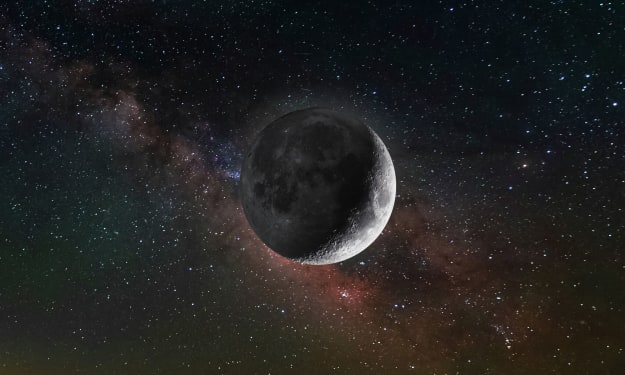
The Rare Black Moon: A Celestial Phenomenon Worth Observing
In the realm of astronomy, celestial events often capture our imagination and spark curiosity. Among these events, the occurrence of a "black moon" stands out as a rare phenomenon that not many people are familiar with. While many have heard of a "blue moon," which refers to two full moons in a single calendar month, the black moon is defined as the second new moon occurring within the same month. This article delves into the significance of black moons, their rarity, and what they mean for both casual stargazers and serious astronomers alike.
By mayta emily2 years ago in Earth
Facing the Cosmic Threat: Can We Destroy a Black Hole?
Imagine a scenario where a black hole is hurtling toward Earth, an unstoppable force that threatens to consume everything in its path. While this may sound like the plot of a science fiction movie, it raises a critical question: can we destroy a black hole? In this article, we will explore the nature of black holes, the scientific and technological challenges involved in attempting to neutralize such a cosmic threat, and the broader implications for humanity's survival.
By mayta emily2 years ago in Earth