Nature
WHAT IF HUMANS EXTINCT
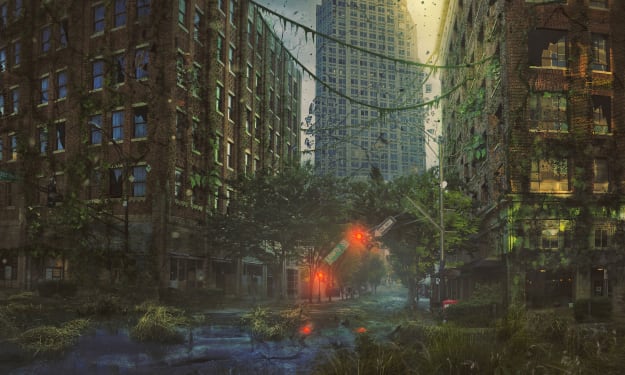
it's the end of the world as you know it every human on earth suddenly went extinct and it's time for nature to make its ultimate comeback . What would happen to your home and your city ? Why would this Doom the planet to a nuclear meltdown and would any trace of human existence manage to live?
By Kapil Yadav3 years ago in Earth
Drowning In Heartbreak . Content Warning.
We told our government again and again about the dangers of our rising seas. What is the point? They never listen anyway! It was only last week that Sunlay, my hometown was hit by yet another dangerous storm. The waves were over 20feet high as they crashed furiously over our land like violent giants in a battle.
By Carol Ann Townend3 years ago in Earth
The Vanishing Island. Content Warning.
Title: The Vanishing Island Once nestled in the embrace of the vast ocean, the small island community of Oceana thrived with life, laughter, and a rich tapestry of traditions. Generations had built their homes and livelihoods here, drawing strength and inspiration from the rhythmic waves that kissed their shores. But as the world changed, Oceana found itself at the mercy of a relentless foe: rising sea levels.
By IBRAHIM ABUBAKAR ADAMU3 years ago in Earth
"The Redemption of Lucas: A Corporate Executive's Journey to Save the Planet"
In the heart of a bustling metropolis stood a man named Lucas, an executive at a powerful multinational corporation. He was known for his sharp intellect and charisma, qualities that had propelled him to the upper echelons of the corporate world. But beneath the polished exterior, a gnawing guilt clawed at his conscience.
By Carnisha Forsyth3 years ago in Earth
The Healing Garden
In the quiet corner of an otherwise bustling city, there lay a garden. It wasn't the most magnificent garden in the world, nor was it meticulously manicured, but it held a special place in the hearts of those who knew it. Among those people, there was Emily.
By David Romeo3 years ago in Earth
How Baby Sharks survive in a dangerous world
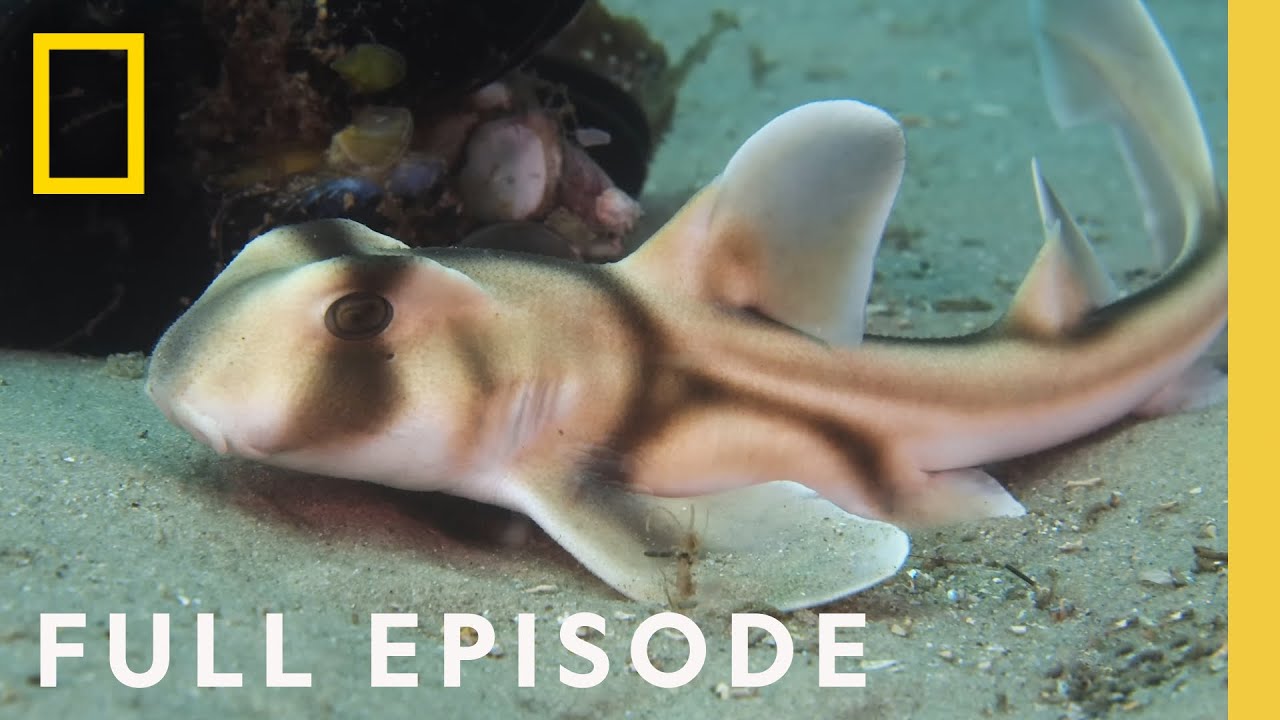
Sharks, despite being formidable predators known for their size and speed, exhibit surprising vulnerability during their first year of life. To survive, they display remarkable adaptability, including the ability to move out of water, inhabit rivers, and even cannibalize their siblings in their struggle to survive as baby sharks. Sharks have evolved over a staggering 450 million years into fearsome hunters of the seas, like the great white shark, capable of leaping 10 feet into the air, or the Mako shark, reaching speeds exceeding 45 miles per hour. However, their journey starts with them being preyed upon, with around 80 percent of some shark species failing to reach adulthood. Adult sharks do not provide any care to their offspring, treating baby sharks as just another item on their menu. Consequently, some pregnant sharks, like the one shown in the video, migrate to shallow waters to give birth, where larger predators can't access them. The precise locations where sharks are born remain mostly mysterious, making footage of a shark birth extremely rare.
By Michelle Mueni3 years ago in Earth
Bali Unveiled
The allure of Bali had always impressed to me—a mystical island steeped in rich culture, vibrant and beautiful landscapes, and a deep sense of spirituality. So, when the opportunity to embark on a journey to this Indonesian paradise finally presented itself, I knew I was ready for an extraordinary adventure.
By Zain Fonda3 years ago in Earth
The Flood
The Kalahari, the largest expanse of sand on our planet, conceals at its center a living, breathing miracle known as the Okavango Delta. Each year, when the land reaches its driest point, distant rainfall fills its veins once again, and the great flood becomes its heartbeat.
By Osman Lawalli3 years ago in Earth
Mapping Earth: The Quest for a Truth
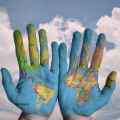
Maps, those trusty guides in our exploration of the world, come with an age-old challenge - the enigma of map projections. Picture this: You have a globe, and you're determined to morph it into a flat map. To achieve this feat, you'll need to perform some cartographic acrobatics. The outcome? Certain distortions.
By Gia Luthien3 years ago in Earth
Revival of a polluted and dying river through the collective efforts of a community
Once, the river that flowed through the small town of Willowbrook was a sparkling ribbon of life. Fish leaped joyfully in its crystal-clear waters, and families picnicked along its banks. But over the years, something sinister had happened. The river had turned into a shadow of its former self, choked with pollution and toxins, a graveyard for the life that once thrived within it. As the town's prosperity grew, so did its carelessness. Factories and industries had sprouted up along the river's edge, spewing their waste into its once-pristine waters. The river became a dumping ground for all manner of pollutants, its once soothing murmur replaced by the mournful cry of a dying ecosystem. Amidst this bleakness, there was a flicker of hope in the heart of a young woman named Sarah. Sarah had grown up by the river, and its decline had affected her deeply. She couldn't stand by and watch the river's slow death any longer. She had an idea, a crazy idea, but she believed it might just work. Sarah gathered a group of like-minded individuals from the community, people who, like her, couldn't bear to see the river suffer. There was Mr. Patel, the retired botanist, who had an uncanny knowledge of plants and their healing properties. Emma, the schoolteacher, had a gift for rallying the town's children, who were eager to learn and help. Jake, the mechanic, knew how to build things that could clean the water, and together, they formed a team determined to restore the river's health. Their plan was simple yet ambitious. They would start by cleaning up the riverbanks, removing trash and debris that had accumulated over the years. Then, they would introduce native plants to help filter out pollutants. Mr. Patel taught the community about the importance of these plants, not just for the river but for the entire ecosystem. Word spread quickly, and soon, the entire town was involved. Children planted trees and learned about water conservation. Parents organized clean-up drives along the river, removing mounds of garbage. Jake built a water treatment system that used natural processes to purify the water. Emma's schoolchildren painted colorful signs that warned against littering and encouraged responsible waste disposal. The transformation was slow, but it was happening. Bit by bit, the river started to regain its vitality. Fish returned to its waters, and the once-barren riverbanks blossomed with wildflowers. Sarah and her team had rekindled the spirit of the river and the town. One sunny afternoon, as Sarah stood by the river's edge, tears welled up in her eyes. She saw a group of children splashing in the water, their laughter ringing through the air. The river was alive again, and so was the community's love for it. The story of Willowbrook's river became an inspiration to neighboring towns and cities. It proved that when a community came together with determination and a deep respect for nature, even the most polluted and dying river could be revived. It was a reminder that water was life, and its conservation was not just a duty but a sacred responsibility. And so, the river's redemption became a symbol of hope, a testament to the power of collective effort, and a reminder that even the most damaged parts of our world could be healed with love and care.
By Timon Ronni3 years ago in Earth
The Symphony of the Redwoods.
In the heart of a dense, ancient forest stood a grove of towering redwood trees, each one a sentinel of time and a testament to the beauty of nature. These giants, with their massive trunks reaching towards the sky, had silently witnessed centuries of life and change in the world around them.
By Yussuf Haret Mohamed.3 years ago in Earth