
*Introduction:*
Nebulae, a word derived from Latin meaning "clouds," have always fascinated astronomers and sky enthusiasts. In this article, we'll journey into the wonders of these cosmic clouds and delve into the unique aspects that make nebulae the birthplaces of stars in the universe.
*What Are Nebulae?*
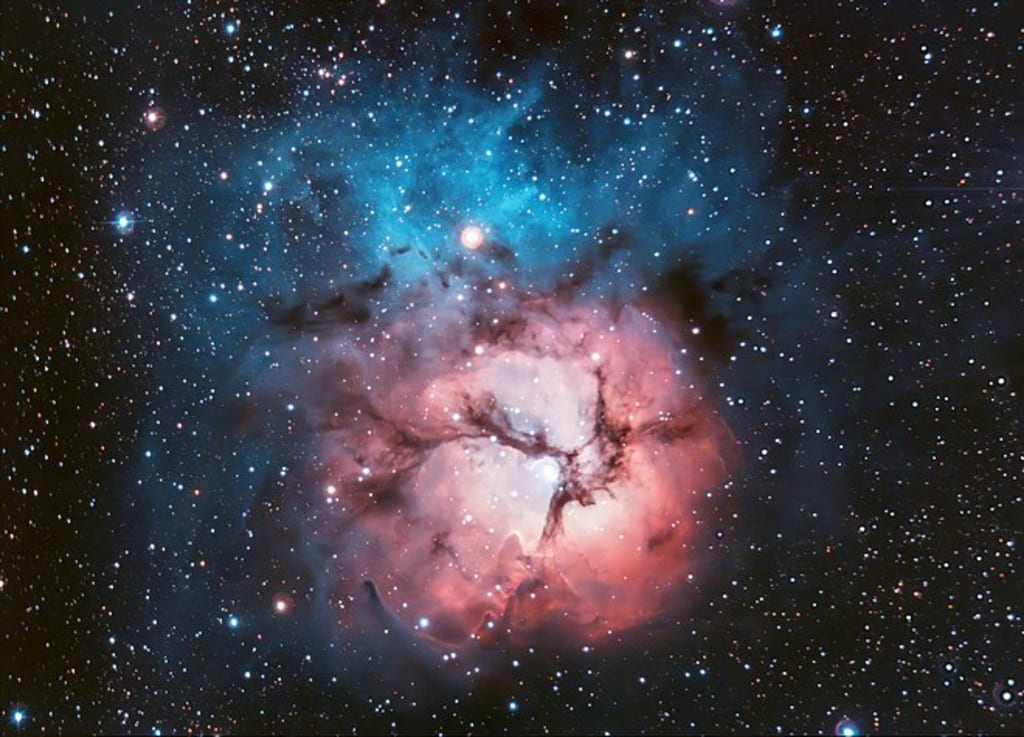
Nebulae are vast regions in space made up of gas and dust. They come in various shapes and sizes but share the same purpose: giving birth to stars. The main ingredients in nebulae are hydrogen and helium, the same elements that power stars.
*The Birth of Stars*
One of the most fascinating things about nebulae is their role in creating stars. Inside these thick clouds, gravity causes pockets of gas and dust to collapse, leading to the birth of new stars. These places serve as cradles for the birth of stars in our universe, and the grammar of their creation involves the interaction of physics laws and cosmic forces.
*Types of Nebulae*
Nebulae aren't all the same; they come in different types, each with its unique characteristics. Some well-known types include:
- Emission Nebulae: These glow brightly due to hydrogen gas being lit up by nearby hot stars, like the famous Orion Nebula.
- Reflection Nebulae: These shine by reflecting light from nearby stars and often appear blue.
- Dark Nebulae: These are thick clouds of dust that block light from stars behind them, creating mysterious silhouettes against the starry background.
*Unique Features of Nebulae*
What truly makes nebulae unique is their ability to be the birthplaces of stars and planetary systems. They act as cosmic incubators where the rules of the universe come together, as atoms and molecules gather under the relentless pull of gravity.
Moreover, nebulae provide a canvas for some of the most stunning astronomical images, showcasing the beauty of the cosmos and inspiring scientists and the public alike. The Hubble Space Telescope, for example, has captured breathtaking images of nebulae, enriching our understanding of these celestial marvels.
*Conclusion:*
In conclusion, nebulae are celestial wonders that play a vital role in the formation and evolution of stars and planetary systems. Their unique grammar of creation, shaped by the forces of the universe, continues to be a subject of fascination and exploration for astronomers and scientists worldwide. As we gaze upon these cosmic clouds, we are reminded of the beauty and complexity of the cosmos, a story written in the grammar of nebulae.
Certainly, here are some additional unique facts about nebulae :
1. Birthplaces of Stars and Planets:
- Nebulae serve as the universe's natural laboratories where new stars and even planets form. Within nebulae, these particles are drawn together by gravity, gradually forming spectacular astronomical objects.
2. Time and Distance:
- Some nebulae we see in the night sky are actually located thousands of light-years away from Earth. In other words, we are seeing light that has traveled for thousands of years before reaching human eyes.
3. Nebula Colors:
- The beautiful colors often seen in nebulae are typically caused by different chemical elements within them. For example, ionized hydrogen gas often produces shades of red or pink.
4. Remnants of Stars:
- Apart from being stellar nurseries, there are also nebulae that are remnants of stars that have exploded. These are known as "Supernova Nebulae" and represent the remnants of massive stars that have undergone a powerful supernova explosion.
5. Planetary Nebulae:
- Planetary nebulae are a type of nebula that forms when Sun-like stars go through the final stages of their lives. They shed their outer layers, forming a nebula with a shrunken star core at its center.
6. Varied Shapes:
- Nebulae come in a variety of stunning shapes, including circles, bubbles, and long filaments. Some of them exhibit incredibly complex structures that can be challenging to describe with words alone.
7. Impact on the Cosmos:
- Nebulae play a significant role not only as star nurseries but also in the evolution of galaxies. They supply matter and energy into the interstellar space, influencing the star-forming processes within that galaxy.
8. Telescopic Imaging:
- Advances in telescope technology, such as the Hubble Space Telescope, have transformed our understanding and admiration of nebulae. Their incredible images have become modern icons of astronomy.
All of these facts highlight the incredible nature of nebulae and their crucial role in the cosmos. They continue to be sources of research and inspiration for scientists and sky observers worldwide.
About the Creator
Izowi
i love star ,galaxy and fantasy story
Enjoyed the story? Support the Creator.
Subscribe for free to receive all their stories in your feed.
Comments