Nature
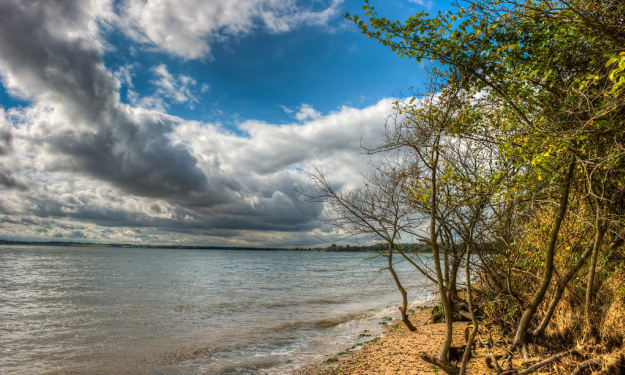
The Tides of Thought. AI-Generated.
The Tides of Thought In a bustling city filled with the constant hum of life, there lived a man named David who was a thinker, a dreamer. He spent his days in a modest apartment surrounded by books and notes, pondering the mysteries of the human mind. David believed that human thought was the most powerful force in the universe, capable of shaping realities and transcending boundaries.
By John Francis2 years ago in Earth
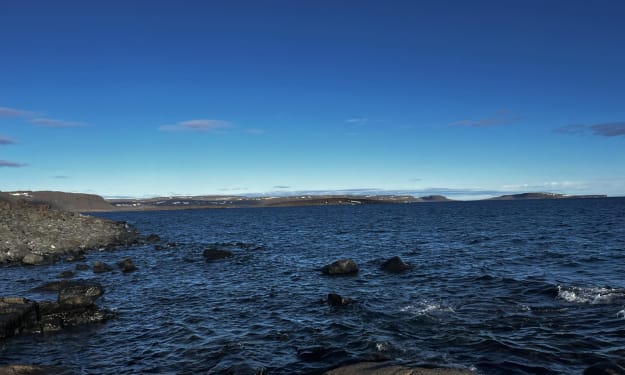
Bears, Belugas, Mosquitos, Oh My!. Content Warning.
I've been contemplating on how to start writing this for over a week now. How do I even begin to capture the incredibly humbling experiences that happened back-to-back over those 4 days? I suppose I have to start somewhere...
By Oneg In The Arctic2 years ago in Earth
American Animals Illinois and Indiana
Wildlife Of Illinois The US state of Illinois has many wildlife refuge areas. The Driftless Area in the northwest corner of Illinois holds the tributaries of the Mississippi River and is a great place for trout and other freshwater fish. It is also part of the Mississippi Flyway and a fantastic place for birdwatchers. Another place to see wildlife is the Shawnee National Forest which contains many wilderness areas. There are also state parks and natural areas.
By Rasma Raisters2 years ago in Earth
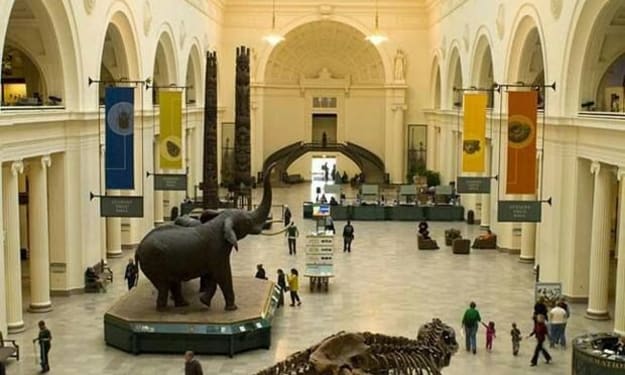
Preserving the Past, Unlocking the Future: Inside the Wet Specimen Collection at the Field Museum
1. The Library of Life: A Unique Preservation Method Imagine a library where books aren't bound paper but rather jars filled with species preserved in fluid. This is precisely how the Field Museum curates its wet specimen collection—each jar akin to a chapter in the ongoing story of Earth's biodiversity. These specimens aren't just curiosities; they serve as tangible records of species morphology, behavior, and in some cases, their very DNA. According to museum experts, preserving a specimen like a Komodo dragon isn't as simple as dunking it in a tank of alcohol. Each acquisition undergoes meticulous preparation to ensure longevity. Whether donated or strategically collected in the field, specimens like the common water snake undergo a process that involves euthanization, careful dissection for DNA sampling, and preservation in formalin to fix tissues and prevent decay. 2. DNA: The Key to Unlocking Evolutionary Mysteries Incorporating DNA analysis into specimen preservation represents a significant leap forward in biological research. Sarah, a researcher at the Field Museum, emphasizes the importance of DNA in understanding how habitat changes affect species over time. Extracting DNA from preserved specimens involves delicate procedures using sanitized tools to collect tissue samples and preserving them in liquid nitrogen for future genetic studies. Sarah's work underscores a critical evolution in scientific methodology. While DNA extraction from preserved animals was challenging before the 1990s, modern techniques enable researchers to unravel genetic mysteries that span generations. This approach not only aids in understanding species adaptation but also contributes to conservation efforts by providing genetic data crucial for preserving biodiversity. 3. From Formalin to Ethanol: Ensuring Longevity Preserving specimens for posterity involves meticulous steps beyond DNA extraction. After DNA sampling, specimens are treated with formalin, a preserving agent that fixes tissues, akin to embalming. This process ensures that specimens remain intact for centuries, offering future researchers a glimpse into the past conditions of Earth's ecosystems. For larger specimens like catfish, determining the correct amount of formalin is both a science and an art. Too little can lead to decay, while too much can distort the specimen's features. Once adequately preserved, specimens are transferred to alcohol baths for long-term storage, where they maintain their lifelike appearance, albeit submerged in a preserving solution that prevents decay and maintains structural integrity. 4. Beyond Preservation: Clearing and Staining Techniques While most specimens are kept in their lifelike state, some undergo clearing and staining techniques to highlight specific anatomical features. This process involves dyeing specimens to make cartilage and bones visible under microscopes. For instance, small fish with delicate bones are dyed with specific dyes attracted to cartilage and calcium, allowing researchers to study skeletal structures without isolation. These techniques have led to groundbreaking discoveries, including the identification of new species. By comparing skeletal features revealed through staining, researchers uncovered differences between seemingly identical fish species, emphasizing the critical role of museum collections in taxonomy and evolutionary studies. 5. Challenges and Rewards of Curatorial Work Managing a vast collection like the one at the Field Museum presents unique challenges. With over 883 frogs and countless other specimens, curators must catalog, maintain, and retrieve specimens as needed for research. Each specimen's unique identification number ensures precise tracking, even as collections expand and storage space becomes a premium. Despite these challenges, the value of preserving specimens some over a century old cannot be overstated. These jars of preserved life represent a time capsule of Earth's biological past, offering insights that can reshape scientific understanding with each new discovery. Whether studying ancient DNA or uncovering hidden anatomical details, the wet specimen collection at the Field Museum stands as a testament to human curiosity and dedication to preserving Earth's biodiversity. Conclusion As our understanding of the natural world evolves, so too does the significance of museum collections like those at the Field Museum. By preserving and studying specimens spanning millions of years, researchers continue to unravel the mysteries of evolution, ecology, and biodiversity. Each specimen, meticulously prepared and cataloged, holds the potential to inspire future discoveries and deepen our appreciation for the rich tapestry of life on Earth. In the words of the dedicated curators and researchers, these preserved treasures ensure that every creature, no matter how small or ancient, lives on in science forever.
By Sam Aurélio2 years ago in Earth
The Magic of Serendipity
Life is a series of planned events. We schedule our days, plot our career paths, and set timelines for our goals. Yet, amid this meticulous planning, some of the most delightful experiences arise from unplanned, serendipitous moments. These moments of chance, where life’s unpredictable nature takes the reins, can bring a sense of wonder and joy that planned events often cannot. Embracing serendipity allows us to appreciate life’s spontaneity and opens doors to unexpected opportunities.
By Hira Waheed2 years ago in Earth
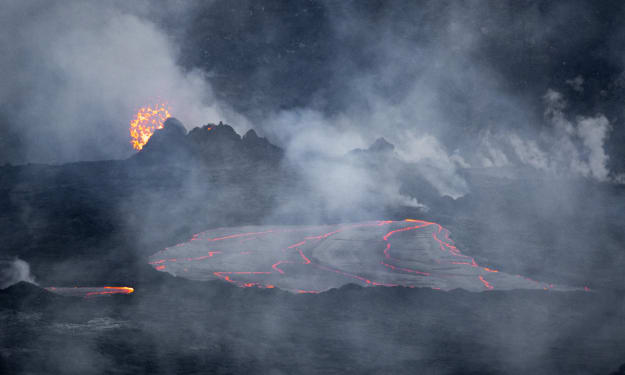
Eruption Under the Pacific Ocean Will Make the Water Fizz
Emission Under the Pacific Sea Will Make the Water Bubble The Remote ocean Show Unfurls In the secretive profundities of the Pacific Sea, an unprecedented occasion is fermenting, promising a display not at all like some other. A volcanic ejection is set to happen underneath the sea's surface, and it's supposed to make the water bubble like a monster, regular soft drink wellspring. This peculiarity isn't just an enamoring show of nature's crude power yet additionally a basic area of study for researchers looking to grasp the elements of submerged volcanism and its more extensive ramifications.
By robail shahzadi2 years ago in Earth
Exploring the Depths: Unveiling the Mysteries of Deep Sea Creatures
1. The Five Deeps Expedition: Discovering Alien Worlds In 2019, the Five Deeps Expedition marked a historic milestone in deep-sea exploration. Led by deep-sea pioneer Victor Vescovo, the expedition aimed to reach the deepest points of the world's five oceans, including the Puerto Rico Trench in the Atlantic and the Java Trench in the Indian Ocean. Using the revolutionary deep submergence vehicle "Limiting Factor," the team descended to unprecedented depths, uncovering a wealth of new species and geological formations. During their descent into the Java Trench, approximately 7,180 meters below the surface, the expedition stumbled upon a creature previously unknown to science a gelatinous stalked sea squirt. Resembling a balloon attached to a string, this ethereal organism floated through the frigid waters, its ghostly silhouette a testament to the alien landscapes found in Earth's deepest recesses. 2. Fangtooth: The Predator of the Abyss Among the most iconic denizens of the deep sea is the Fangtooth fish, a creature with a visage straight out of a nightmare. Inhabiting depths up to 5,000 meters, these fish boast the largest teeth relative to body size of any known species. Their formidable appearance is matched by their predatory prowess, as showcased in BBC's Blue Planet II, where the Fangtooth's savage attacks on prey reveal the brutal reality of survival in the abyss. Despite their fearsome reputation, Fangtooth fish exhibit remarkable adaptations to their extreme environment. Able to withstand the crushing pressures of the deep sea, they possess a unique resilience that allows them to survive even when brought to the surface for study—an anomaly among many deep-sea creatures. 3. Bobbit Worm: Nature's Underwater Assassin Few creatures epitomize the blend of horror and fascination found in the deep sea like the Bobbit Worm. Named after Lorena Bobbitt for its ruthless hunting technique, this ambush predator lurks in sandy burrows, awaiting unsuspecting prey. Armed with venomous spines and lightning-fast reflexes, the Bobbit Worm can strike with such force that it slices its victims in half, dragging them into its lair for consumption. The Bobbit Worm's predatory prowess is matched only by its mysterious biology. Capable of regenerating and splitting into multiple parts, these worms are a testament to the adaptability and resilience required to survive in Earth's most extreme habitats. 4. Gulper Eel: Enigma of the Deep The Gulper Eel, also known as the Pelican Eel, is one of the most peculiar and elusive creatures found in the deep sea. Despite its widespread distribution, little is known about its behavior and life cycle due to its rarity and inaccessible habitat. Sporting a large, expandable mouth capable of swallowing prey larger than itself, the Gulper Eel's bizarre anatomy reflects its adaptation to the challenges of life in the abyssal plains. Recent advancements in deep-sea research, including the detection of Gulper Eels in their natural habitat, have shed light on their feeding habits and ecological role. These discoveries underscore the importance of continued exploration and conservation efforts to protect these mysterious creatures and their fragile ecosystems. 5. White Margin Stargazer: Master of Camouflage and Ambush In the shallow coastal waters of the Indo-Pacific region, the White Margin Stargazer lurks, employing a unique strategy to capture its prey. Buried in sand with only its eyes and mouth exposed, this ambush predator waits patiently for unsuspecting fish and crustaceans to pass by. With a venomous and electrically charged tongue-like appendage, it strikes swiftly and decisively, creating a vacuum that sucks its prey into its waiting jaws. The Stargazer's ability to blend seamlessly into its surroundings and its lightning-fast attack mechanism highlight the ingenuity of nature in adapting to diverse and challenging environments. Studying these creatures not only enhances our understanding of marine biodiversity but also underscores the importance of protecting coastal habitats essential to their survival. Conclusion The exploration of deep-sea ecosystems remains a frontier of discovery, offering glimpses into a world largely untouched by human hands. Each encounter with these remarkable creatures not only expands our scientific knowledge but also emphasizes the need for responsible stewardship of our oceans. As we embark on future expeditions and advancements in technology, the mysteries of the deep sea are poised to reveal even more astonishing marvels, challenging our perceptions and enriching our understanding of life on Earth.
By Sam Aurélio2 years ago in Earth
Sea Creatures That Can Ruin Your Trip
The Pacific Lamprey: An Underwater Vampire Deep in the ocean lurks a creature that would make Dracula proud: the Pacific Lamprey. This eel-like parasite has been around since before dinosaurs roamed the Earth. Lacking bones and a jaw, it still manages to hunt effectively. With a sucker mouth surrounded by teeth, it latches onto prey and sips their body fluids like an underwater vampire. The Pacific Lamprey has a storied history, even influencing English royalty. One monarch loved this fish so much he defied doctors' orders to stop eating its flesh, which led to severe illness and ultimately his demise. Despite this, lampreys have survived at least four mass extinctions, evolving over 450 million years. The Australian Box Jellyfish: A Deadly Swimmer Seemingly harmless, the Australian box jellyfish is the most venomous marine animal. Unlike other jellyfish that drift with the current, this one swims and can reach impressive speeds. Its tentacles are covered with tiny, poison-loaded darts. A sting can cause excruciating pain and even be fatal within minutes. Out of around 50 species, only a few have venom lethal to humans. The most dangerous ones are found in the Indo-Pacific region and northern Australia. While some species are less harmful, it's best to keep a safe distance. The Blue-Ringed Octopus: A Tiny Terror Despite its cute appearance, the blue-ringed octopus is extremely dangerous. Found in sandy bottoms, tide pools, and coral reefs, it uses color-changing organs to display blue rings as a warning. Its venom is a thousand times more potent than cyanide, used to hunt crabs, shrimp, and small fish. There is no known antidote for its venom, so avoiding this creature is crucial. It typically won't attack unless provoked, but if it does, the bite is painless, making it easy to miss until it's too late. The Reef Stonefish: Master of Disguise Reef stonefish are masters of camouflage, blending into rocks, coral reefs, or the seabed. Found in tropical marine waters of the Indo-Pacific, their invisibility makes them dangerous. They ambush and swallow their prey whole. If disturbed, their dorsal spines deliver a venomous sting that can be extremely painful and even lethal if untreated. The Cone Snail: Beautiful but Deadly With its intricate shell patterns, the cone snail looks harmless but is far from it. Found on the seafloor, it uses a sharp proboscis to inject venom into its prey, paralyzing it instantly. While humans aren't its typical target, stepping on or disturbing a cone snail can trigger a venomous attack. Only a few of over 700 species can kill humans, but it's not worth the risk. Sea Snakes: Venomous but Shy All 52 known species of sea snakes are venomous, with the beaked sea snake being one of the most dangerous. Found in warm tropical waters of the Indian and Pacific Oceans, sea snakes prefer to avoid conflict. Bites are often painless initially but can lead to severe consequences. Most incidents occur accidentally, such as when fishermen free them from nets. The Blue Dragon: A Tiny but Dangerous Beauty Blue dragons are small, rarely larger than a grape, and swim belly-up to blend in with the ocean. They feed on venomous prey and store the stinging cells, making them hazardous even after death. Avoid picking up or stepping on these creatures to stay safe. When enjoying the ocean, awareness and caution can help you avoid these dangerous sea creatures and ensure your trip remains enjoyable.
By Sam Aurélio2 years ago in Earth
Following Saturday's storms that tore through Greater Cincinnati, some 8,000 people are without power.
Updated at 8 p.m. While severe thunderstorm watches are still in place for seven Greater Cincinnati counties through midnight on Saturday, severe storm warnings are being permitted to expire.
By Billy Williams2 years ago in Earth
Baffling phenomena of the natural world
A tapestry of marvels, the natural world is woven with fascinating patterns and perplexing occurrences that have long captured the human mind. This tapestry also contains a lot of mysteries. Our globe is a treasure mine of inexplicable wonders that continue to test our knowledge and stimulate our interest. These marvels may be found anywhere on our planet, from the depths of the underwater world to the heights of the mountains.
By victor archibong2 years ago in Earth
Cities that will be underwater by 2050
Cities That by the Year 2050 Will Be Submerged in Water More and more coastal towns throughout the globe are facing a frightening future as a result of the acceleration of climate change and the increase in sea levels. These communities are at risk of being fully submerged underwater within the next few decades. It is anticipated by specialists that by the year 2050, a number of big urban regions would be flooded in either a partial or complete manner, which will have terrible effects on millions of people.
By victor archibong2 years ago in Earth