Nature
How to Make Your Home Energy Efficient. AI-Generated.
How to Make Your Home Energy Efficient Making your home energy efficient is one of the best ways to reduce your environmental impact and save money on energy bills. With rising energy costs and growing concerns about climate change, adopting energy-efficient practices has never been more important. Here are practical steps you can take to make your home more energy efficient and eco-friendly.
By Joseph Elishi2 years ago in Earth
The Environmental Benefits of Composting. AI-Generated.
The Environmental Benefits of Composting: Turning Waste into Wealth for a Greener Planet As we become more conscious of our environmental impact, composting has emerged as a simple yet powerful way to reduce waste and promote sustainability. By turning organic waste into nutrient-rich soil, composting not only minimizes the amount of waste sent to landfills but also enriches our gardens and agricultural lands. Here’s why composting is beneficial for the environment and how you can get started.
By Joseph Elishi2 years ago in Earth
Norway: land of the midnight sun. AI-Generated.
Norway is a wonderful country in Northern Europe, characterized by natural beauty, rich culture and unique weather phenomena. The most striking of these is the "midnight sun", which occurs in the northern parts of the country.
By umar khalid2 years ago in Earth
How to Incorporate Zero Waste Practices into Your Daily Life. AI-Generated.
How to Incorporate Zero Waste Practices into Your Daily Life In a world increasingly aware of environmental issues, many people are seeking ways to live more sustainably. One impactful approach is adopting a zero waste lifestyle. The concept of zero waste involves reducing the amount of waste you generate to as close to zero as possible by rethinking how you use and dispose of products. While achieving a completely zero waste lifestyle may seem daunting, incorporating small, manageable changes into your daily routine can make a significant difference. Here are practical steps to help you embrace zero waste practices in your everyday life.
By Joseph Elishi2 years ago in Earth
The Stairs of Death: An Incan Marvel on Huayna Picchu
The Stairs of Death: An Incan Marvel on Huayna Picchu Perched high in the Andes Mountains of Peru, the majestic ruins of Machu Picchu draw millions of visitors each year. Yet, for those who seek an extra thrill and a deeper connection to the ancient Incan civilization, the ascent up the "Stairs of Death" on Huayna Picchu mountain offers an unforgettable adventure. Built by the Incas between 1438 and 1533 CE, these steep stone steps present both a physical challenge and a historical enigma, leading to the summit of Huayna Picchu where remnants of Incan ruins await discovery. This blog post explores the history, significance, and experience of climbing the Stairs of Death. The Historical Context The Incan Empire, one of the most powerful and sophisticated civilizations of pre-Columbian America, reached its zenith in the 15th century. The Incas were master builders and engineers, creating vast networks of roads, bridges, and terraces that adapted seamlessly to the rugged Andean landscape. Machu Picchu, their most famous site, remains a testament to their architectural and agricultural prowess. However, it is Huayna Picchu, the towering peak that overlooks Machu Picchu, that offers a glimpse into the more enigmatic and adventurous side of Incan construction. Huayna Picchu, meaning "Young Peak" in Quechua, was more than just a backdrop to Machu Picchu. It served as a strategic lookout point and a place of spiritual significance. The Incas built a series of steep stone steps, now famously known as the Stairs of Death, to provide access to its summit. These stairs are a marvel of Incan engineering, designed to navigate the sheer cliffs and treacherous terrain of the mountain. The Stairs of Death: A Closer Look The ascent up Huayna Picchu begins innocuously enough, with a well-marked trail leading from the base of the mountain near the northern end of Machu Picchu. However, as climbers progress, the path becomes increasingly steep and narrow. The stone steps, carved directly into the mountain, wind their way upward, often hugging sheer cliffs and offering heart-stopping views of the Sacred Valley below. The Stairs of Death are aptly named, not only for their vertiginous nature but also for the sense of peril they evoke. At certain points, the steps are so steep and narrow that they resemble a ladder more than a staircase. Handholds and ropes have been added in modern times to aid climbers, but the ascent remains a daunting challenge, especially during the rainy season when the stones can become slick and treacherous. One of the most harrowing sections is a narrow, tunnel-like passage where climbers must squeeze through a tight space while ascending nearly vertical steps. This part of the journey requires not only physical endurance but also mental fortitude, as the fear of heights can be overwhelming. The Incan Ruins at the Summit Reaching the summit of Huayna Picchu is a reward in itself. At 2,693 meters (8,835 feet) above sea level, the peak offers panoramic views of Machu Picchu, the surrounding mountains, and the Urubamba River winding through the valley below. The sight is nothing short of breathtaking, providing a perspective on Machu Picchu that few get to experience. At the summit, climbers find the remnants of Incan ruins, including terraces, small temples, and ceremonial structures. These ruins suggest that Huayna Picchu held significant importance to the Incas, likely serving both practical and religious purposes. The terraces may have been used for agricultural experimentation, while the temples and altars indicate that the peak was a place of worship and ritual. One particularly intriguing structure is the Temple of the Moon, located on the far side of the mountain, slightly below the summit. This temple is built into a natural cave and features finely crafted stone walls and niches. The exact purpose of the Temple of the Moon remains a mystery, but it is believed to have been a site for important religious ceremonies. The Experience of Climbing the Stairs of Death Climbing the Stairs of Death is not for the faint of heart, but for those who undertake the challenge, the experience is profoundly rewarding. The journey requires a reasonable level of physical fitness, as well as a willingness to confront one’s fears. However, the sense of accomplishment upon reaching the summit, combined with the stunning vistas and the tangible connection to Incan history, makes the effort worthwhile. Safety is a paramount concern when climbing Huayna Picchu. The Peruvian authorities limit the number of daily climbers to 400, divided into two groups to prevent overcrowding and reduce wear on the trail. It is essential to book permits well in advance, as slots fill up quickly, especially during the peak tourist season from May to September. Climbers are advised to wear sturdy hiking shoes, carry sufficient water, and take their time during the ascent. The altitude and steepness of the trail can be challenging, so it is important to pace oneself and take breaks as needed. Despite the challenges, the camaraderie among climbers and the shared sense of adventure create a supportive and exhilarating atmosphere. The Legacy of Incan Engineering The Stairs of Death stand as a testament to the ingenuity and determination of the Incan builders. Constructing such a precarious and enduring pathway up the steep slopes of Huayna Picchu required not only advanced engineering skills but also an intimate understanding of the natural environment. The Incas' ability to integrate their structures seamlessly into the landscape, using locally sourced materials and techniques, remains a source of admiration and study for modern architects and engineers. The preservation of the Stairs of Death and the ruins atop Huayna Picchu is crucial for understanding the full scope of Incan achievements. Efforts to maintain and protect these sites ensure that future generations can continue to explore and appreciate the legacy of one of the world’s greatest ancient civilizations. Conclusion The Stairs of Death on Huayna Picchu offer a unique and thrilling opportunity to connect with the ancient Incan world. As climbers navigate the steep, narrow steps and take in the awe-inspiring views from the summit, they follow in the footsteps of Incan priests and explorers who once made this same journey. The experience is a powerful reminder of the ingenuity and spirit of the Incan people, who built an empire among the clouds and left behind a legacy that continues to inspire wonder and respect. For those willing to embrace the challenge, the Stairs of Death provide an unforgettable adventure, blending natural beauty, historical intrigue, and personal triumph. The climb is not just a physical ascent but a journey back in time, offering a deeper understanding of the extraordinary achievements of the Incan civilization.
By Deji Akomolafe2 years ago in Earth
Hurricane Beryl Barrels Toward Jamaica as Category 5 Storm After 'Flattening' Grenada Island
Jamaica Braces for Impact Hurricane Beryl, now a formidable category five storm, is hurtling towards Jamaica, bringing with it the potential for catastrophic damage. The US National Hurricane Center (NHC) has warned that Beryl could bring life-threatening winds and storm surges to Jamaica by Wednesday afternoon. The Jamaican government has issued a hurricane warning and is urging residents in low-lying and flood-prone areas to seek shelter immediately.
By Ravi Singh2 years ago in Earth
Is stump grinding a good idea?
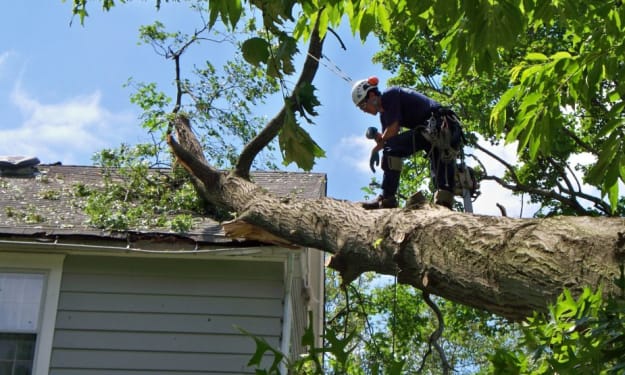
Whether it's from illness, storm damage, or poor landscaping choices, dealing with the stump that remains after a tree is removed can provide a number of difficulties. The decision of whether to remove, grind down, or leave a stump is one that many homeowners must make. Although stump grinding is a common technique, is it the best option for you? If you're local, looking for the Best Stump Grinding Services in Westwood can help you make an informed choice and guarantee a neat and well-done service.
By Dhi Tree services2 years ago in Earth
Squirrel Communication: Understanding Their Chatter and Body Language
Squirrels are among the most common and captivating wildlife species seen in urban and suburban areas. Their acrobatic abilities, bushy tails, and curious nature make them a delightful sight. However, there's more to these creatures than meets the eye. Squirrels have a complex system of communication, using both vocalizations and body language to convey messages.
By Heather Whitney2 years ago in Earth
Top 10 Best Tree Pruning Services in Westwood, NJ
Maintaining your property's appearance with tree care and Best Tree trimming Services in Westwood, NJ is crucial, and the municipality of Westwood, NJ is home to numerous respectable tree trimming and removal businesses. To help you decide who to trust with your tree care needs, we've compiled a list of the top 10 tree trimming services in the region.
By Dhi Tree services2 years ago in Earth
5 Good Luck Plants
In my teenage, I slipped off my penthouse stairs badly. Phew! there was no injury at all. Now I discern that when God throws the dice, they are loaded. We all have seen many severe accidents in which people live safely and scratch less. Why is it so? Is it their luck or prayers? As we have different perceptions of fortune and faith, we will have diverse answers for that. But the most popular assumption is a good luck charm that brings protection and wealth to people.
By Rabab Toor2 years ago in Earth
Why Reducing Plastic Waste is Crucial for Our Planet. AI-Generated.
Why Reducing Plastic Waste is Crucial for Our Planet Plastic waste has become one of the most pressing environmental issues of our time. With millions of tons of plastic being produced each year and only a fraction of it being recycled, the impact on our planet is profound. Reducing plastic waste is not just a choice; it's a necessity for the health of our ecosystems, wildlife, and even our own well-being. Here are the key reasons why we must take urgent action to reduce plastic waste and what steps we can take to make a difference.
By Joseph Elishi2 years ago in Earth