Nature
Cultural & Historical Perspectives
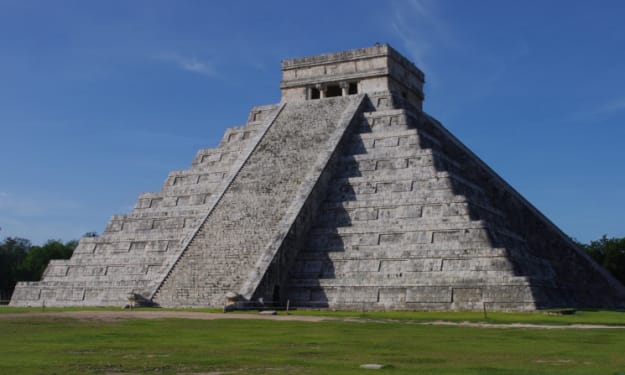
Indigenous knowledge, shaped by centuries of experience and close interaction with the land, offers invaluable lessons for contemporary environmental management and sustainability. Indigenous communities, whose ways of life are closely tied to the natural world, view Earth not as a resource to be exploited, but as a living entity that must be respected, protected, and nurtured for future generations.
By Badhan Sen2 years ago in Earth
Ancient civilizations and environmental adaptation
The interaction between human societies and their natural surroundings shaped the development of culture, technology, and social structures. From the fertile lands of the Nile to the harsh deserts of Mesopotamia, these early civilizations demonstrated remarkable resourcefulness. This essay explores how ancient societies adapted to their environments, focusing on agriculture, architecture, and societal organization.
By Badhan Sen2 years ago in Earth
Winter Storm Marches East
Winter Storm Marches East The winds began to howl that afternoon. What started as a light snow, dusting the fields in a blanket of soft white, quickly turned into something much darker. It wasn’t the typical winter storm that came and went, with snowflakes gently falling like pieces of a forgotten dream. No, this storm carried a weight that felt different, as though it was not just the weather that was changing, but something in the world itself.
By Levan Gabaidze2 years ago in Earth
PlayStation Network Status
PlayStation Network (PSN) is an online service provided by Sony for PlayStation users. It allows players to play multiplayer games, buy digital content, and access various entertainment services. However, sometimes PSN may face issues, causing problems for gamers. In this article, we will discuss the PlayStation Network status, what it means, common issues, and how to check if PSN is down.
By Farhan Sayed2 years ago in Earth
Indigenous knowledge of Earth stewardship
Rooted in a profound respect for nature and an interconnected worldview, this knowledge offers invaluable insights into sustainable living and environmental conservation. Unlike many modern approaches that separate humanity from nature, Indigenous stewardship sees humans as part of a larger ecological web. In this worldview, the Earth is not a resource to be exploited but a living entity to be nurtured and cared for.
By Badhan Sen2 years ago in Earth
Cultural & Historical Perspectives
Indigenous knowledge, shaped by centuries of experience and close interaction with the land, offers invaluable lessons for contemporary environmental management and sustainability. Indigenous communities, whose ways of life are closely tied to the natural world, view Earth not as a resource to be exploited, but as a living entity that must be respected, protected, and nurtured for future generations.
By Badhan Sen2 years ago in Earth
Coral bleaching
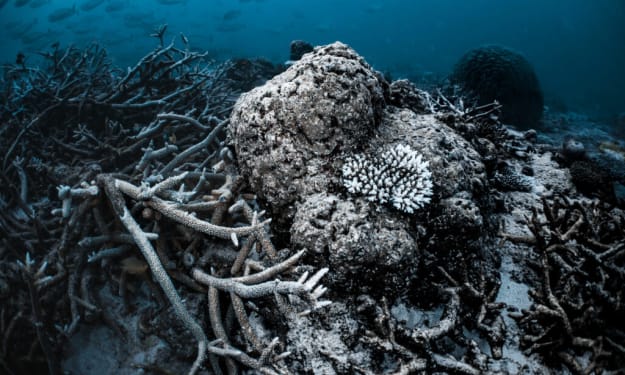
Coral reefs are among the most diverse and vital ecosystems on Earth, providing habitat for countless marine species, supporting coastal economies, and acting as natural barriers against waves and storms. However, they are facing a severe threat: coral bleaching. This phenomenon, primarily driven by climate change, threatens the survival of coral reefs worldwide. Understanding coral bleaching, its causes, impacts, and potential solutions is crucial for marine conservation and global biodiversity.
By Badhan Sen2 years ago in Earth
Sea-level rise
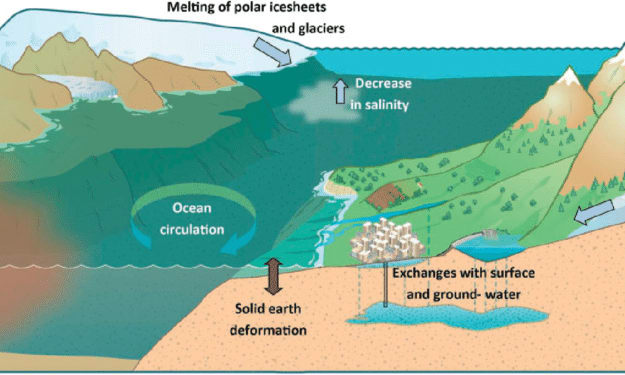
Sea-level rise is one of the most pressing environmental challenges of our time. It refers to the increasing height of the world’s oceans due to climate change and other environmental factors. This phenomenon has severe implications for coastal communities, ecosystems, and global economies. Understanding its causes, consequences, and potential solutions is crucial for mitigating its impact and preparing for the future.
By Badhan Sen2 years ago in Earth
Aquifers and water tables
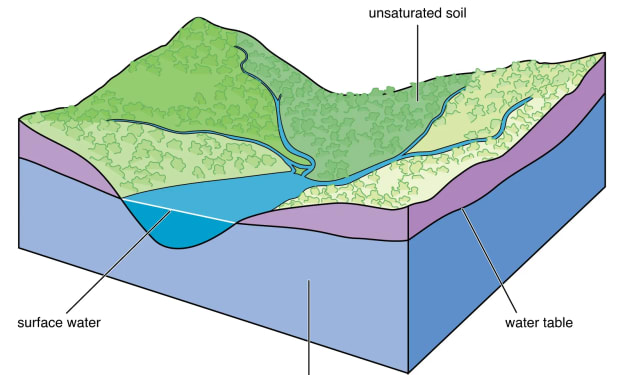
While surface water from lakes, rivers, and reservoirs is vital, groundwater plays an equally crucial role in sustaining ecosystems and human activities. Groundwater exists in underground layers of permeable rock, sediment, or soil known as aquifers. The upper surface of the saturated zone within an aquifer is called the water table. Understanding aquifers and water tables is crucial for water conservation, sustainable development, and mitigating environmental challenges such as water scarcity and contamination.
By Badhan Sen2 years ago in Earth
Tsunamis and tidal waves
Tsunamis and tidal waves are both natural phenomena related to the movement of water, but they are quite distinct in terms of their causes, behavior, and effects. Despite common misconceptions, the two are different and have varying levels of intensity. Understanding their origins, characteristics, and impact can help in preparing for and mitigating their potentially devastating consequences.
By Badhan Sen2 years ago in Earth