Nature
Everest Base Camp Trek Guide
The Everest Base Camp Trek (EBC) is one of the most iconic trekking adventures in the world. Standing at 5,364 meters (17,598 ft), the base camp is the launching point for climbers heading to the summit of Mount Everest. But for trekkers, reaching EBC is a dream journey through the heart of the Himalayas, filled with dramatic landscapes, Sherpa culture, and unforgettable moments.
By Anya Gurungabout a year ago in Earth
Not India, This Is the USA”: Viral Clothesline Video Sparks Unexpected Culture Clash
‘Not India, this is USA’: Viral Video of Clothes Drying in Backyard Triggers Heated Discussion, Backlash In the age of social media, even the most mundane aspects of daily life can spark viral debates — and the latest example is a video that has divided the internet over something as simple as drying clothes in the backyard.
By Sultan Khanabout a year ago in Earth
Waves of Wonder: The 5 Most Beautiful Sea Beaches in the World
There’s something magical about beaches — the sound of waves, the scent of salt in the air, and the feel of soft sand underfoot. Whether you’re a seasoned traveler or a dreamer seeking your next escape, these five beaches offer unmatched beauty, serenity, and inspiration. Let’s dive into the five most beautiful sea beaches around the globe.
By Prabal Satpathyabout a year ago in Earth
Chulu West Peak: A High-Altitude Challenge in the Annapurna Region
Chulu West Peak, rising to 6,419 meters, is one of the most striking trekking peaks in Nepal. Situated in the northwestern part of the Annapurna region, this peak offers a thrilling extension to the classic Annapurna Circuit. For adventurers looking to graduate from trekking to alpine climbing, Chulu West Peak delivers the perfect blend of culture, scenery, and high-altitude challenge. It’s a rewarding choice for experienced trekkers with basic climbing knowledge and a hunger for Himalayan heights.
By Oliver Backmanabout a year ago in Earth
The Big Bang Theory: The Explosive Birth of Our Universe
Introduction Imagine everything—every star, planet, galaxy, and even the space between them—compressed into an infinitely dense point. Then, in a split second, an unimaginable explosion takes place, resulting in the birth of time, space, and matter itself. This is the Big Bang Theory, the most widely accepted explanation for the origin of our universe.
By Akib Ashrafabout a year ago in Earth
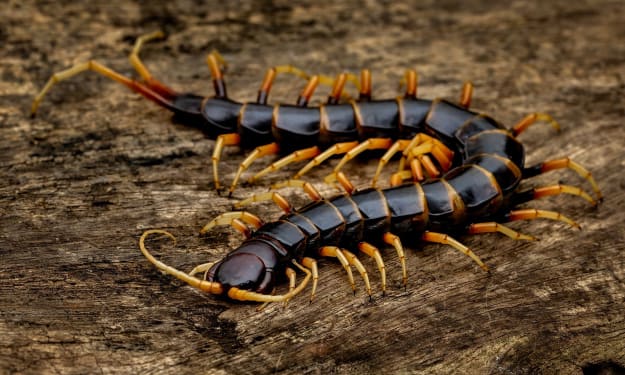
The Hidden World of the Centipede: Nature's Swift and Secretive Predator
In the damp corners of our homes, beneath rocks in the forest, or buried deep in the soil, a long, segmented creature moves with astonishing speed. The centipede, whose name means "hundred feet," is one of the most misunderstood yet fascinating predators in the insect world. Despite their unsettling appearance, these creatures have a unique and important role in ecosystems. Anatomy of a Night Hunter Centipedes belong to the class Chilopoda and can be found on every continent except Antarctica. Ranging in size from a few millimeters to over a foot long, these invertebrates have between 15 and 177 pairs of legs, depending on the species. Contrary to their name, no centipede actually has exactly 100 legs. Their bodies are flat and flexible, allowing them to slip into narrow cracks and crevices. The first pair of legs has evolved into venomous fangs known as forcipules, used to paralyze their prey. Their antennae are highly sensitive, helping them navigate and hunt in complete darkness. The Perfect Predator Centipedes are carnivorous and feed on insects, spiders, and even small vertebrates such as lizards or mice, depending on their size. They are fast, agile, and lethal. A single bite from a large centipede can kill prey quickly, thanks to their venom. Their hunting style is silent and efficient. They rely on speed and stealth to ambush their prey, wrapping around them and injecting venom before devouring them. This role helps control insect populations, making centipedes beneficial to the balance of natural habitats. Living in the Shadows These creatures are nocturnal and prefer moist environments. During the day, they hide under rocks, logs, leaves, or inside walls and basements. At night, they emerge to hunt. Their preference for darkness and hidden places has earned them a fearful reputation among humans. Many people encounter them in their homes and panic. But while their appearance may be intimidating, most centipedes are harmless to humans. Bites are rare and usually not medically serious, though they can be painful. A Survivor Through Time Fossil records show that centipedes have existed for over 400 million years, evolving and adapting through countless environmental changes. Their resilience makes them one of the oldest surviving land arthropods. Some ancient centipedes, such as the extinct Arthropleura, could grow over two meters long, making them among the largest invertebrates to ever crawl the Earth. Today’s centipedes are much smaller, but their adaptability remains impressive. Cultural Fascination and Fear Throughout history, centipedes have appeared in folklore, mythology, and art — often symbolizing fear, mystery, or protection. In some Asian cultures, large centipedes are used in traditional medicine and believed to possess spiritual power. In horror literature and films, their image is often used to evoke discomfort or fear. Their alien-like body and rapid movement make them an ideal creature for spooky tales. But in truth, they are more helpful than harmful. Conservation and Curiosity Though not endangered, centipedes are sensitive to environmental changes, particularly pesticide use and habitat destruction. As we expand cities and alter natural landscapes, their populations may decline in some areas. Learning about these creatures can help reduce irrational fear and encourage respect for their role in nature. Observing centipedes in their natural environment reveals a creature finely tuned for survival — fast, quiet, and effective. Final Thoughts The centipede is a creature of darkness, not evil — a predator, not a pest. Its presence reminds us that nature’s design includes all shapes and strategies. Every creature, even those that crawl in shadow, has its place and purpose. So the next time you see a centipede, pause your fear. Instead, marvel at its ancient design, its quick movements, and its secret life. For in the quiet corners of the world, the centipede reigns as a silent and swift guardian of the balance of nature.
By Insect Legendsabout a year ago in Earth
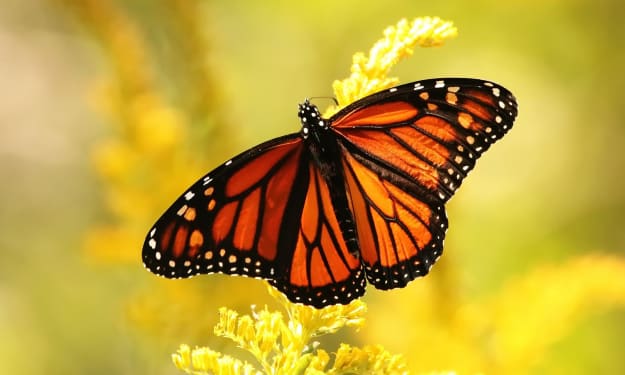
The Butterfly’s Secret: A Journey Through Change, Color, and Courage
In the quiet corners of gardens, forests, and meadows, a tiny creature begins a journey that is nothing short of miraculous. The butterfly, with its delicate wings and graceful flight, wasn’t always a symbol of beauty and transformation. Its life begins humbly, as a caterpillar inching along leaves, focused solely on eating and growing. But hidden within this crawling creature is a blueprint for greatness. It teaches us that beginnings do not define the end, and that within the ordinary lies the potential for the extraordinary. The Metamorphosis Miracle The butterfly's life is divided into four main stages: egg, larva (caterpillar), pupa (chrysalis), and adult. Each stage carries its own challenges and beauty, but the transformation from pupa to butterfly — called metamorphosis — is perhaps one of the most astonishing in the animal kingdom. Inside the chrysalis, the caterpillar’s body dissolves into a kind of biological soup. From this fluid, a new form is built — wings, antennae, new legs. It is like watching a story of destruction and rebirth happen in silence, inside a fragile shell. The process is so profound that scientists still study the genetic and cellular mysteries that guide this transformation. This incredible metamorphosis shows us that true change often happens in quiet, unseen places. Just as the caterpillar must endure the stillness and vulnerability of the chrysalis, we too must sometimes retreat to grow, to heal, and to re-emerge stronger. Nature's Masterpiece Butterflies come in over 20,000 species around the world. Their wings display every color imaginable, often with patterns that serve as camouflage, warnings, or courtship signals. Some butterflies mimic leaves to hide from predators, while others display bright colors to warn that they are toxic. Their beauty is not just skin-deep. Butterflies play vital roles in ecosystems: they pollinate flowers, serve as food for other animals, and act as indicators of a healthy environment. When butterflies thrive, nature is usually in balance. Some butterflies migrate thousands of miles, such as the Monarch, which travels from North America to Mexico. This epic journey, driven by instinct and perseverance, adds yet another layer of awe to their story. Cultural and Emotional Symbolism Across cultures, butterflies symbolize change, hope, and the soul. In many traditions, seeing a butterfly is believed to be a message from a loved one or a sign of good fortune. Their short but vibrant lives remind us to live fully and embrace our own transformations. In literature and poetry, the butterfly often represents personal growth and emotional healing. It whispers the truth that pain and darkness can lead to flight and light. Artists have painted them, writers have praised them, and spiritual leaders have reflected on their journey as a metaphor for enlightenment. Threats and Conservation Despite their beauty, butterflies are facing serious threats: habitat loss, climate change, and pesticides are reducing their numbers rapidly. Species like the Monarch butterfly have become symbols of the environmental crisis. But the story isn’t over. Conservation efforts, like planting native flowers, avoiding chemical sprays, and creating butterfly gardens, can help protect these winged wonders. Every garden can become a sanctuary. Communities, schools, and individuals can all contribute to building environments where butterflies can thrive. Organizations across the globe are now tracking butterfly populations, engaging in habitat restoration, and raising awareness about pollinator protection. Supporting these efforts means supporting biodiversity and the health of our planet. What the Butterfly Teaches Us The butterfly teaches us to be patient with change. That growth can be uncomfortable, even painful — but it leads to something beautiful. It reminds us that we all have a hidden potential waiting to take flight. It teaches resilience, grace, and the power of quiet evolution. Just as the butterfly spreads its wings after transformation, we too can emerge from our trials with renewed strength and color. Their journey encourages us to trust the process, no matter how uncertain it seems. So next time you see a butterfly, pause for a moment. In that fleeting dance of color, a quiet wisdom glows. Let it remind you that beauty often rises from the most unexpected places.
By Insect Legendsabout a year ago in Earth