
Protecting Our Forest Wildlife
Safeguarding Nature's Creatures: The Fight to Preserve Forest Habitats and Protect Endangered Species
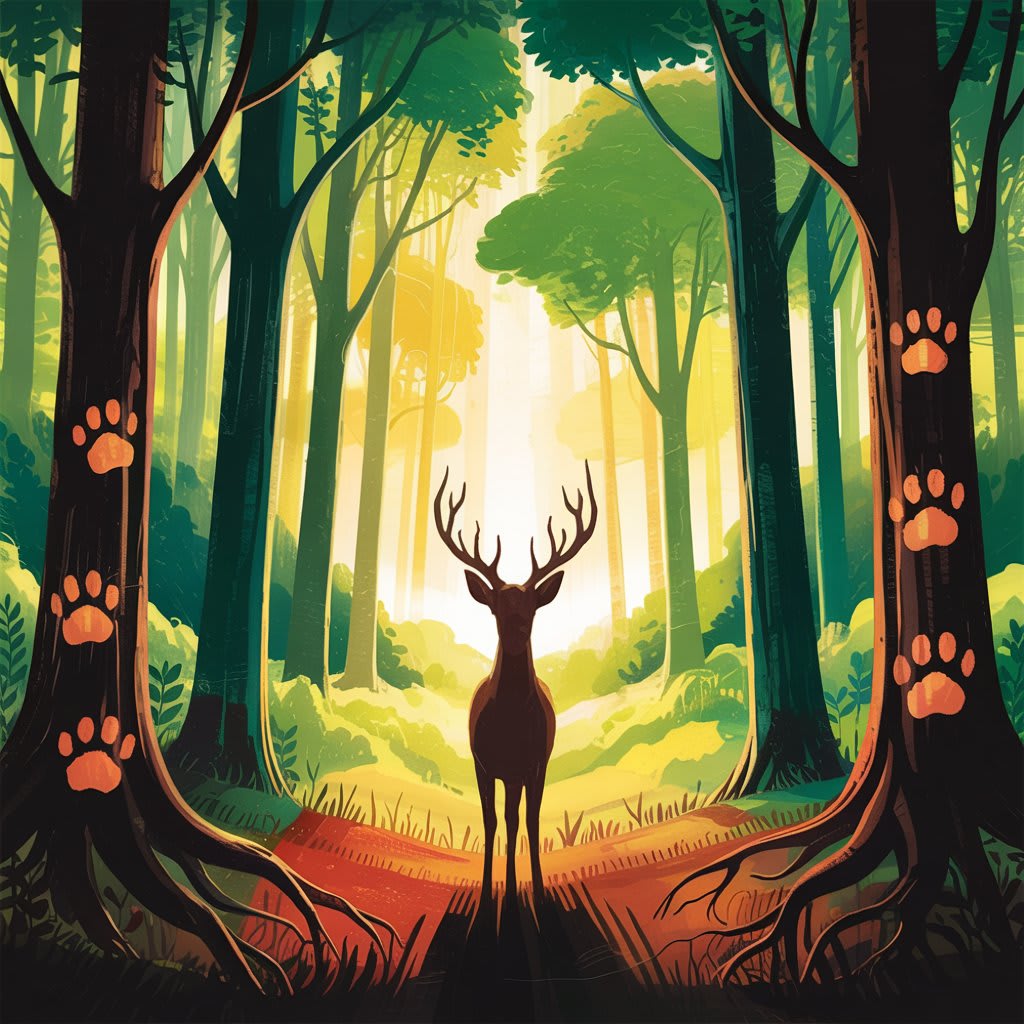
In the deep shadows of towering trees and among the rustling leaves, a silent crisis is unfolding. For centuries, the world’s forests have stood as the lungs of the Earth, their canopies providing shelter for countless species of wildlife. Yet today, these vital ecosystems are under threat, and the animals that call them home are fighting for survival. From the elusive jaguar to the humble squirrel, the creatures of our forests are increasingly at risk due to habitat destruction, poaching, and the effects of climate change.
It is no exaggeration to say that the survival of our forests and the creatures within them is inextricably linked to our own future. Forests play a pivotal role in maintaining the Earth’s climate by absorbing carbon dioxide, regulating water cycles, and producing oxygen. They are also a critical source of medicine, food, and materials. But as the forests dwindle, so too does the diverse life they support. This is not just an environmental issue—it is a global crisis that demands immediate attention and action.
The Fragility of Forest Ecosystems
Imagine walking through a forest, the air thick with the scent of damp earth and fresh leaves, the sound of birds calling out from high above, and the flicker of a deer’s tail as it darts through the underbrush. This is the world that millions of animals, from the smallest insects to the largest mammals, call home. Forests are not merely a backdrop to life; they are the very foundation of it. The rich biodiversity within these ecosystems is a testament to nature’s ingenuity, each species playing a unique role in maintaining the balance of the environment.
However, this balance is fragile. The widespread destruction of forests due to illegal logging, agriculture, and urban sprawl is leading to habitat fragmentation, leaving many animals without a place to live. Species that once roamed freely are now isolated in small pockets of land, making it difficult for them to find food, mates, and shelter. The result is a dramatic decrease in animal populations, with many species now facing the threat of extinction.
For example, the iconic orangutan, native to the rainforests of Borneo and Sumatra, has seen its population drop by more than 50% in just the last few decades. This is due in large part to the relentless clearing of forests for palm oil plantations, an industry that has been linked to widespread deforestation. The loss of these forests not only threatens the orangutans but also has far-reaching effects on the entire ecosystem, as their disappearance disrupts the intricate web of life that the forest supports.
The Role of Forest Wildlife in Ecosystem Health
Forest animals are more than just inhabitants of the ecosystem—they are vital contributors to its health and function. Many species play crucial roles in seed dispersal, pollination, and controlling pest populations. Without animals like bees, butterflies, and birds, forests would struggle to regenerate. Predators, like wolves and big cats, help keep prey populations in check, ensuring that the ecosystem remains balanced.
Take the example of the grey wolf in Yellowstone National Park. In the absence of wolves, the population of deer and elk grew unchecked, leading to overgrazing of vegetation. This not only harmed plant life but also affected other species dependent on those plants for food. When wolves were reintroduced to the park, the entire ecosystem began to recover. The wolves helped regulate herbivore populations, allowing plants to regenerate and providing food and shelter for other species.
These examples highlight the importance of protecting forest wildlife—not just for their intrinsic value but for the health of the entire ecosystem. Each species, no matter how small, plays an irreplaceable role in the functioning of our forests.
The Threats Facing Forest Animals
The threats to forest wildlife are numerous and complex. Deforestation remains one of the most immediate dangers, driven by the demand for timber, agricultural land, and urban development. According to the Food and Agriculture Organization (FAO), approximately 10 million hectares of forest are lost each year due to deforestation, with tropical forests being the hardest hit. As forests disappear, so too do the animals that depend on them.
In addition to habitat loss, poaching is another critical issue facing forest animals. Many species are targeted for their skins, tusks, bones, or other body parts, which are sold on the black market. The illegal wildlife trade is a multi-billion-dollar industry that contributes to the rapid decline of many species. Tigers, elephants, and rhinos are just a few of the iconic animals that are at risk due to poaching. Even lesser-known species, such as pangolins, are highly sought after for their scales, which are used in traditional medicine.
Finally, the effects of climate change are exacerbating these challenges. Rising temperatures, changing rainfall patterns, and extreme weather events are altering the habitats of many forest animals, making it harder for them to find food, shelter, and suitable conditions for breeding. For species already facing the pressures of habitat destruction and poaching, climate change is an additional threat that could push them over the edge into extinction.
A Call to Action: Protecting Forest Wildlife for Future Generations
The good news is that there is still hope. Around the world, there are countless initiatives aimed at protecting forest habitats and preserving wildlife. Conservation organizations, governments, and local communities are working together to combat deforestation, promote sustainable land-use practices, and protect endangered species. Reforestation efforts are underway in many regions, with millions of trees being planted each year to restore damaged ecosystems.
Additionally, the fight against poaching has gained traction, with stricter laws, enhanced enforcement, and public awareness campaigns making it harder for illegal wildlife trade to thrive. Protected areas, such as national parks and wildlife reserves, provide safe havens for forest animals, allowing them to live and reproduce without the constant threat of human interference.
But these efforts are not enough on their own. We all have a role to play in securing the future of forest wildlife. By supporting sustainable practices, reducing our carbon footprint, and advocating for stronger environmental policies, we can help ensure that forests continue to thrive and that the creatures within them are protected for generations to come.
Conclusion: A Shared Responsibility
The fate of forest wildlife is in our hands. As the stewards of the Earth, we have the power to protect these invaluable ecosystems and the creatures that inhabit them. Every action, no matter how small, can make a difference. By choosing sustainable products, supporting conservation efforts, and raising awareness about the importance of forest ecosystems, we can contribute to a brighter future for wildlife and the planet as a whole.
It is time to act. The forests need our help, and the animals that rely on them deserve a chance to thrive. Together, we can ensure that the beauty and wonder of the world’s forests endure for generations to come.
About the Creator
Enjoyed the story? Support the Creator.
Subscribe for free to receive all their stories in your feed.
Comments
There are no comments for this story
Be the first to respond and start the conversation.