Nature
Unlocking the Earth’s Hidden Power: The Promise of Natural Underground Hydrogen
In a groundbreaking discovery that could reshape the future of global energy, scientists have identified vast reserves of naturally occurring underground hydrogen—buried deep beneath the Earth's surface. This "gold hydrogen," as it's being called, could represent a nearly infinite, clean source of energy that has remained hidden beneath our feet for millennia.
By Muhib Ullah about a year ago in Earth
Ruidoso Flooding Turns Deadly: Homes Swept Away in New Mexico’s Worst Flash Flood in Years
A Sudden Deluge, A Town in Crisis On the afternoon of July 8, 2025, Ruidoso, New Mexico — known for its scenic heights, horseback trails, and quiet mountain charm — was pounded by a sudden deluge. Heavy rainfall over the South Fork and Blue 2 burn scars unleashed rapid runoff. The result was a flash flood emergency and a rise in the Rio Ruidoso from safe levels to a terrifying 20 feet or more in a matter of minutes.
By Bevy Osuosabout a year ago in Earth
The Dark Side of the Garden
Aokigahara Forest is located at the base of Mount Fuji in Japan. It is a beautiful place to visit but over the dense woods an eerie silence hangs. While walking the paths here many visitors have had a sense of unease perhaps spirits following them.
By Rasma Raistersabout a year ago in Earth
Amazing Animals Morocco
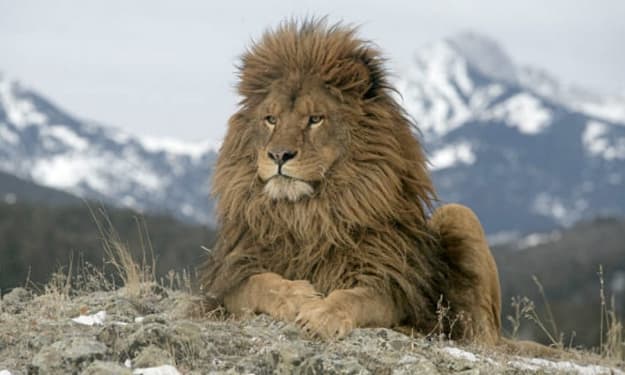
Morocco has Mediterranean climate along the coast while the Rif Mountains contrast with the forested Atlas Mountains and the arid climate of the Sahara Desert. The country is home to 490 recorded species of birds, over 90 species of reptiles, over 20 species of bats, a dozen species of whales and dolphins, and 105 species of mammals.
By Rasma Raistersabout a year ago in Earth
Climate Change in 2025: A Planet at the Crossroads
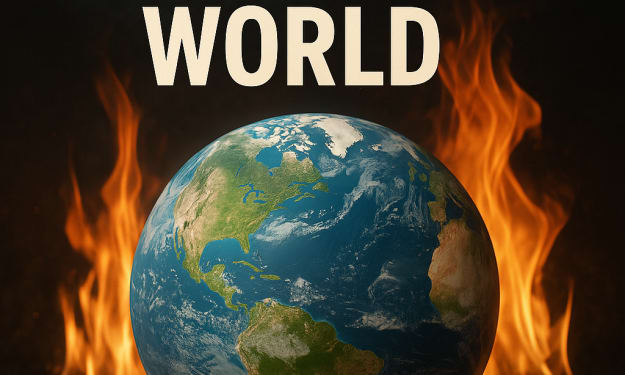
Introduction As we enter the second half of the decade, climate change is no longer a distant threat — it's the defining reality of 2025. From record-breaking temperatures to unprecedented natural disasters, the signs are clearer than ever: Earth is in crisis. And while scientific warnings have echoed for decades, the time for warnings is over. We are now living in the consequences.
By Syed Hazrat Hussain about a year ago in Earth
The Changing Climate. AI-Generated.
Climate change is one of the most significant challenges facing our planet today. Over the last century, the Earth's average surface temperature has risen dramatically, leading to extreme weather patterns, rising sea levels, and disruptions to ecosystems. Scientists around the world have confirmed that human activity, particularly the burning of fossil fuels, is the primary driver of this warming trend. As global citizens, it’s our responsibility to understand climate change and take action to reduce its effects. --- What Is Climate Change? Climate change refers to long-term changes in temperature, precipitation, wind patterns, and other aspects of the Earth's climate system. While the climate has naturally changed over geological time, the current trend of warming is occurring at an unprecedented rate due to human influence. This rapid change is not only altering the natural environment but also threatening our way of life. --- Causes of Climate Change The main cause of modern climate change is the increase in greenhouse gases in the atmosphere. Carbon dioxide (CO₂), methane (CH₄), and nitrous oxide (N₂O) are released through burning fossil fuels like coal, oil, and natural gas, as well as through agriculture and deforestation. These gases trap heat in the atmosphere, creating a “greenhouse effect” that raises global temperatures. Human activities, such as industrial processes, transportation, electricity production, and land use changes, have significantly accelerated the accumulation of greenhouse gases. The Intergovernmental Panel on Climate Change (IPCC) has repeatedly warned that without major reductions in emissions, the world is on track for severe environmental disruption. --- Impacts on the Environment Climate change is already having a visible impact on our planet: Melting Glaciers and Rising Seas: Ice sheets in Greenland and Antarctica are melting at alarming rates, contributing to sea-level rise that threatens coastal communities. Extreme Weather: Hurricanes, heatwaves, floods, and droughts are becoming more frequent and severe. Loss of Biodiversity: Animals and plants struggle to adapt to rapidly changing climates, leading to habitat loss and extinction. Ocean Warming and Acidification: Oceans absorb much of the excess heat and carbon dioxide, affecting marine life and ecosystems like coral reefs. --- Human Health and Climate Change The effects of climate change also pose serious risks to human health. Increased heat can lead to heatstroke and dehydration, particularly among the elderly and young children. Air pollution from burning fossil fuels can cause respiratory issues. In some regions, changing weather patterns may lead to the spread of diseases like malaria or dengue fever as mosquitoes thrive in new environments. Additionally, crop failures and water shortages can lead to malnutrition and conflict over resources. --- Global Efforts to Combat Climate Change Nations around the world have recognized the urgency of climate change and are working together to reduce emissions. The Paris Agreement, signed by nearly 200 countries, aims to limit global warming to well below 2°C above pre-industrial levels. Countries have pledged to reduce emissions, invest in renewable energy, and protect natural ecosystems. Technological innovations such as solar and wind energy, electric vehicles, and carbon capture methods are also playing a key role in reducing humanity’s carbon footprint. However, implementation and enforcement remain challenging, especially in developing nations that need support to transition to green economies. --- What Can We Do? Everyday Solutions Each of us can contribute to the fight against climate change through everyday choices: Reduce Energy Use: Turn off unused appliances, use energy-efficient lighting, and insulate homes to reduce heating and cooling needs. Switch to Renewable Energy: If possible, choose solar or wind power for homes and businesses. Drive Less: Walk, cycle, carpool, or use public transportation to reduce carbon emissions. Eat Sustainably: Eating more plant-based foods and reducing food waste can lower the carbon impact of our diets. Support Eco-Friendly Policies: Vote for leaders and support laws that prioritize climate action and sustainable development. --- Conclusion: A Call to Action Climate change is not a distant threat—it is happening now and affects everyone. While the challenges are immense, the solutions are within reach. By making conscious choices and urging governments and industries to act responsibly, we can protect our planet for future generations. The time to act is now, and together, we can shape a sustainable and livable world.
By Junaid Ali (Official)about a year ago in Earth
Zero Waste Nature Adventures
In a world increasingly conscious of its environmental footprint, the idea of Zero Waste Nature Adventures is more than just a trend — it’s a movement. It's about embracing the thrill of outdoor exploration while minimizing the waste we create. Whether you're hiking up a rugged mountain trail, kayaking through serene rivers, or camping under the stars, zero waste principles can guide you toward more sustainable and meaningful adventures.
By JAWAD HUSSAINabout a year ago in Earth