Nature
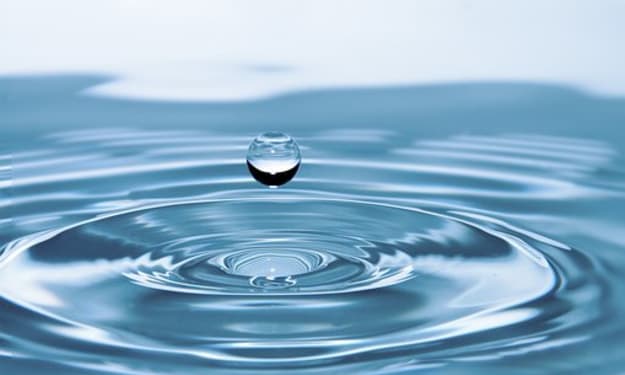
The Importance of Water
Introduction Water is one of the most essential resources for life on earth. It covers more than 70% of the earth’s surface and is a vital component of all living organisms. Despite being a ubiquitous resource, access to clean and safe water remains a significant challenge for millions of people worldwide. The importance of water in sustaining life cannot be overemphasized, and this eBook aims to explore the critical roles of water in our lives, the challenges facing the global water supply, and ways in which we can conserve this vital resource.
By Ian Forbes4 years ago in Earth
Great health starts at home with medicinal gardening
Gardening is a great way to improve your health and well-being, both mentally and physically. It can also be used to grow medicinal plants that offer many healing benefits. With the right medicinal gardening kit, you can easily cultivate your own herbs and vegetables at home that provide powerful health benefits. In this blog post, we'll explore the amazing benefits of medicinal gardening and how it can help you achieve great health.
By Dabbin honey4 years ago in Earth
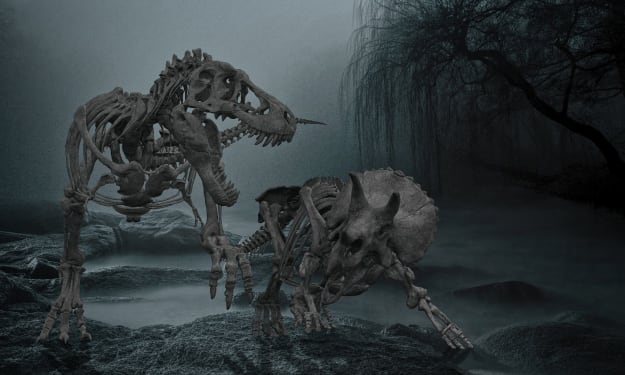
Dinosaurs vs Mammals
A long time ago, the continents came together to form one large supercontinent called Pangea. It was not the first time these continents came together, but it is the first time that life as we know it was formed and grew. Almost all categories of animal life lived on the land of Pangea or swam around the one ocean of Panthalassa. They were just in different forms and had many more variations then what we see today. It was a much different world then we have now with no polar caps or large mountain ranges. There was one central mountain range but the only thing that separated the land masses was the environment. The atmosphere had almost 20% more carbon dioxide and warmer temperatures. There were vast jungles in some areas and milder conifer forests in others, but it was more about where the humidity and moisture were. There were also animals similar to what we have to today but in different sizes. Let me explain…
By Jennifer Allen4 years ago in Earth
World Population
The world population is the total number of humans inhabiting the Earth at a given time. As of 2021, the estimated global population was approximately 7.9 billion people. The population has been growing at an exponential rate, increasing from around 1 billion in 1800 to over 7 billion in 2011. The world's population is expected to continue to grow, although at a slower rate than in the past, reaching an estimated 9.7 billion by 2050.
By James Peter4 years ago in Earth
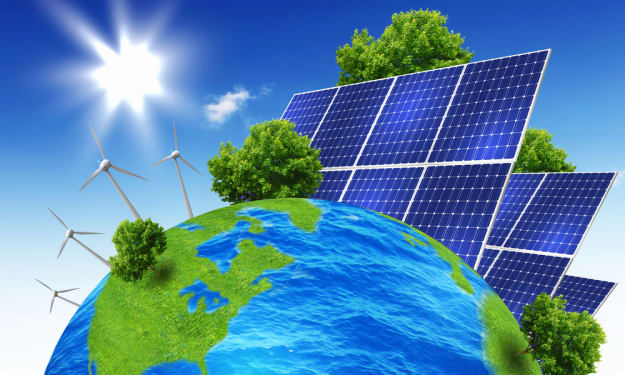
Solar Power
Introduction: Solar power is a type of renewable energy that is generated by harnessing the energy of the sun. It is one of the cleanest and most sustainable forms of energy available, and has the potential to play a significant role in meeting the world's energy needs while reducing our reliance on fossil fuels.
By James Peter4 years ago in Earth
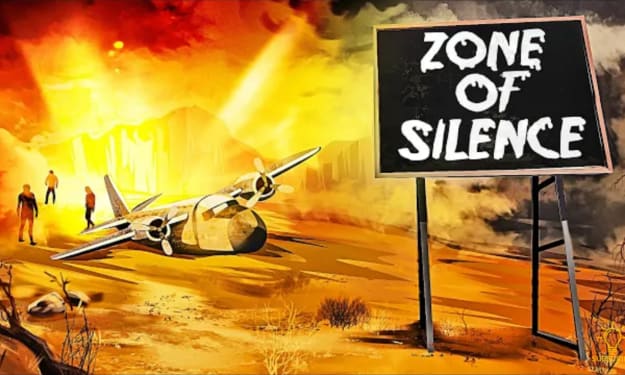
Zone of Silence
Pilot Francisco Sarabia was flying over a patch of desert land in Mexico when his instruments started to act increasingly odd. But that wasn’t the only problem he was facing: his radio equipment was failing too. Disoriented and alarmed, the man had to make an emergency landing in the middle of nowhere.
By Mystery World4 years ago in Earth
Exploring Our Solar System: A Guide to the Planets, Asteroids, and More
Our Solar System - A Fascinating Exploration of the Planets and Beyond Our solar system is an incredible and awe-inspiring subject to explore. From the fiery sun at its heart to the eight (or nine) planets that orbit it, our solar system is a vast expanse of wonder and mystery that scientists and astronomers have been studying for centuries. In this article, we will take a closer look at our solar system and explore the many fascinating elements that make it such an intriguing subject of study.
By Mahammad Azmal4 years ago in Earth