Nature
The Gentle Giants of the Oceans.
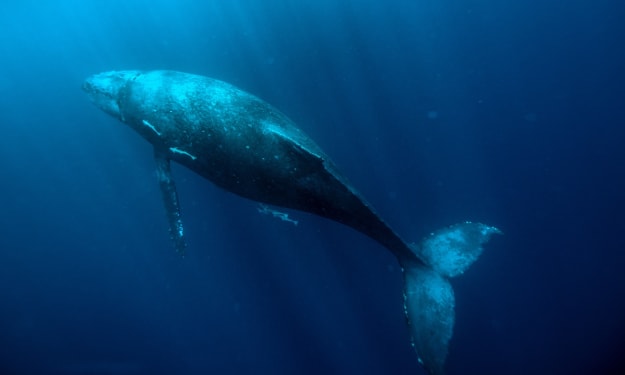
Whales are one of the most fascinating creatures on the planet. These gentle giants of the ocean are known for their immense size, graceful movements, and mysterious behaviors. Whales belong to the order Cetacea, which also includes dolphins and porpoises. There are two types of whales: toothed and baleen. Toothed whales, such as killer whales and sperm whales, have teeth and are predators, while baleen whales, such as humpback and blue whales, have baleen plates in their mouths that they use to filter food from the water. Whales are found in every ocean on Earth, and their size ranges from the small dwarf sperm whale, which is only about nine feet long, to the largest animal on the planet, the blue whale, which can grow up to 100 feet long and weigh as much as 200 tons. Despite their size, whales are incredibly graceful and can move through the water with amazing speed and agility. They are also known for their intelligence and complex social behaviors. One of the most fascinating things about whales is their communication. Whales use a variety of vocalizations, including songs, clicks, and whistles, to communicate with each other. Their songs are particularly impressive, as they can last for hours and can be heard over great distances. Scientists are still studying these vocalizations and trying to decipher their meaning, but it is believed that whales use their songs to communicate with other members of their pod and to attract mates. Whales are also known for their migration patterns. Many species of whales travel long distances each year, often from their feeding grounds in colder waters to their breeding grounds in warmer waters. Some species, such as the gray whale, travel up to 12,000 miles each year on their migration. Unfortunately, whales have been hunted for centuries for their meat, oil, and blubber. Whaling was once a major industry, but thankfully, it has been largely banned around the world. However, some countries still engage in whaling, and the practice remains controversial. Whale populations have also been affected by pollution and habitat destruction, and many species are now endangered. Despite these threats, there is still much we can learn from these fascinating creatures. Whales have a lot to teach us about the ocean and the world around us. For example, scientists have discovered that whales play an important role in the ocean ecosystem by cycling nutrients and helping to maintain a healthy balance of species. They also absorb large amounts of carbon dioxide, which can help to mitigate the effects of climate change. Whales are also important to many cultures around the world. In some cultures, whales are seen as sacred or spiritual animals, and their presence is celebrated in festivals and rituals. Whales have also inspired art, literature, and music, and have captured the imagination of people for centuries. One of the best ways to appreciate these amazing creatures is by going on a whale watching tour. Whale watching tours are available in many parts of the world, and they offer an incredible opportunity to see whales up close in their natural habitat. While on a whale watching tour, you might see a variety of different species, including humpback, gray, and killer whales. You might also see dolphins, porpoises, and other marine life. It is important to note that whale watching should be done responsibly. Boats should stay a safe distance away from the whales to avoid disturbing them, and passengers should avoid making loud noises or sudden movements that could frighten the animals. It is also important to choose a tour operator that is committed to responsible and sustainable whale watching practices. In conclusion, whales are truly one of the most fascinating creatures on the planet. From their immense size and graceful movements to their complex social behaviors and communication, there is so much to learn and appreciate about these
By Mr Royal Honey 3 years ago in Earth
Rooting for Earth: How Our Lost Roots are Affecting the Future of Our Planet
Introduction: Our planet is facing a challenge that we have never seen before: the climate crisis. The effects of the climate crisis have touched every corner of the globe, from rising sea levels to more frequent natural disasters. In the face of these challenges, many people have dedicated their lives to finding solutions to protect our planet. However, one solution that is often overlooked is the humble, yet powerful, root system.
By Scribbler's Haven3 years ago in Earth
Tulips: Beautiful and Historic Flower
Tulip History Tulips were first grown in Turkey in the 10th century and brought to Europe by Dutch traders in the 16th century. Tulips became incredibly popular in the Netherlands, and in the 17th century there was a period known as the "tulip mania", when tulip prices skyrocketed due to high demand.
By Serhat Köse3 years ago in Earth
Banana
Benefits of banana Bananas are one of the most popular and widely consumed fruits in the world. They are packed with nutrition, easy to eat, and come in their own natural packaging. In this article, we will explore the nutritional benefits of bananas, their history, and some interesting facts about this beloved fruit.
By Hasna Shahreen3 years ago in Earth
The Life and Habits of Bald Eagles
One of the maximum beautiful and revered birds in North the united States is the bald eagle. With its different white head and fantastic wings, this stunning chicken is a symbol of freedom, strength, and staying power. In this text, we discover the lifestyles and conduct of eagles, from their habitat and diet to their breeding behavior and conservation fame.
By noman dhudhi3 years ago in Earth
The Consequences of Ignoring Global Warming
The Consequences of Ignoring Global Warming: What We Need to Know Global warming, also known as climate change, has been a hot topic for many years. It is a phenomenon that has been occurring at an alarming rate, and the consequences of ignoring it are becoming more and more apparent. The earth's temperature is rising, causing glacier melting, sea level rise, and an increase in natural disasters such as hurricanes, droughts, and floods. Ignoring the effects of global warming will only lead to more devastating consequences in the future. In this blog post, we will discuss the impacts of global warming and the importance of taking action now to address this critical issue. We will provide you with the necessary information to understand the consequences of ignoring global warming and what we can do to prevent them.
By husnain hans3 years ago in Earth
Ocean Acidification
Introduction Ocean acidification refers to the ongoing decrease in the pH of the Earth's oceans, primarily caused by the absorption of carbon dioxide (CO2) from the atmosphere. This process has significant implications for marine ecosystems and the organisms that inhabit them. In this article, we will explore the causes, effects, and potential solutions to ocean acidification.
By Love The Green3 years ago in Earth