Nature
Practical and Stylish: The Benefits of Using a Backpack for Everyday Carry
Practical and Stylish: The Benefits of Using a Backpack for Everyday Carry Click here to access the recommended product. Backpacks have been around for centuries, and they have evolved over time to become an essential accessory for daily use. Whether you're a student, a commuter, or a traveler, a backpack can be a practical and stylish way to carry your essentials.
By Can Alper Holoğlu3 years ago in Earth
Hunter - 1
In the dense forests of Northern Europe, there lived a hunter named Erik. He was known as the best hunter in the land. Erik was a tall, muscular man with piercing green eyes and rugged features. He had been hunting for as long as he could remember and had never failed to bring back a bounty from the forest.
By Vishalraj M3 years ago in Earth
GOod DeMon and Bad GoD
The Balance of Good, Evil, and the Divine Once upon a time, in a world far beyond our own, there existed a realm known as Etherealia. In Etherealia, the forces of good, evil, and the divine were not simply abstract concepts but living entities that governed the balance of the universe.
By Vishalraj M3 years ago in Earth
Mountains Hiding Secrets: Something Hidden in the Ranges
"Mountains Hiding Secrets: Something Hidden in the Ranges" reveals the mysteries hidden within the gorgeous peaks. As you set out on an adventure through the breathtaking mountain scenery, follow the process of discovering secrets. This thrilling story will have you enthralled and craving more.
By Althea March3 years ago in Earth
What Are Whales? Understanding the Biology of These Giant Mammals.
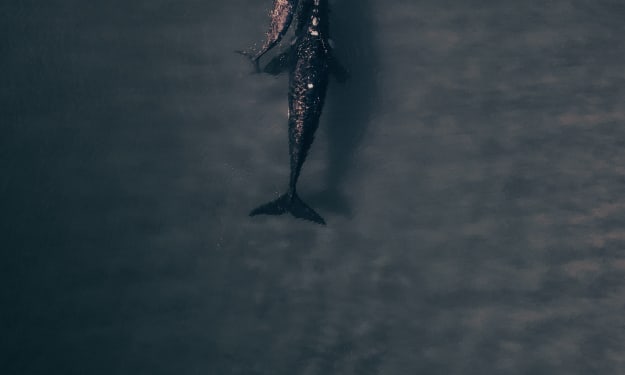
les are a diverse group of marine mammals that are found in all of the world's oceans. These majestic creatures are known for heir impressive size, ranging from the small dwarf sperm whale, which measures about 9 feet long, to the massive blue whale, which can grow up to 100 feet long and weigh as much as 200 tons. Whales are members of the order Cetacea, which also includes dolphins and porpoises. Cetaceans are believed to have evolved from terrestrial mammals that returned to the sea around 50 million years ago. Over time, they developed a range of adaptations that allowed them to thrive in an aquatic environment, including streamlined bodies, flippers for steering and propulsion, and a blowhole for breathing. One of the most striking adaptations of whales is their ability to dive to great depths for extended periods. Many whale species can stay underwater for up to an hour and dive to depths of over 1000 feet. To achieve this, they have developed a number of specialized physiological adaptations, including the ability to store large amounts of oxygen in their muscles and blood, and the ability to slow down their metabolism to conserve energy while underwater. There are two main groups of whales: baleen whales and toothed whales. Baleen whales are so named because they have a comb-like structure called baleen in their mouths that they use to filter small fish and other planktonic creatures from the water. These whales are often large and slow-moving, and include species such as the humpback, gray, and blue whale. Toothed whales, on the other hand, have teeth and are generally more agile and faster-moving than baleen whales. They include species such as the killer whale, sperm whale, and dolphin. Toothed whales hunt a variety of prey, including fish, squid, and other marine mammals. One of the most iconic species of whale is the humpback whale. These whales are known for their acrobatic displays, including breaching (jumping out of the water), tail-slapping, and fin-slapping. They are also famous for their haunting songs, which are complex patterns of moans, cries, and whistles that can last up to 30 minutes. Scientists believe that these songs are used by males to attract females during the mating season. Another well-known species of whale is the sperm whale. These whales are the largest of the toothed whales, and can grow up to 60 feet long. They are known for their distinctive, box-shaped heads and their ability to dive to great depths in search of squid, their primary food source. Sperm whales are also famous for their role in the novel Moby-Dick, in which the protagonist, Captain Ahab, becomes obsessed with hunting down a giant sperm whale. Despite their impressive size and intelligence, many whale species are threatened by human activities such as hunting, fishing, and pollution. In the past, whales were hunted for their blubber, which was used to make candles, soap, and other products. Commercial whaling was banned by the International Whaling Commission in 1986, but some countries, such as Japan and Norway, still engage in whaling for scientific or cultural reasons. Whales are also threatened by bycatch, which occurs when they become trapped in fishing nets and drown. Noise pollution from shipping and naval activities can also interfere with their ability to communicate and navigate, and pollution from plastics and other waste products can harm their health and disrupt their food supply. Despite these threats, there are a number of conservation efforts underway to protect whale populations. These include the establishment of marine protected areas, restrictions on whaling and fishing practices, and efforts to reduce pollution and noise in the oceans. In conclusion, whales are fascinating and unique creatures that have captured
By Mr Royal Honey 3 years ago in Earth
Whale Songs: Understanding the Melodic Communication of Humpbacks.
Whale songs have captivated the imagination of humans for centuries, but it wasn't until the 1960s that researchers first began to uncover the secrets of these underwater melodies. Among the most famous of these songs are those of the humpback whale, a species known for its elaborate and haunting vocalizations that can last for hours at a time. Humpback whales are found in oceans all over the world and are known for their complex vocalizations, which are produced by males during the breeding season. These songs are thought to serve a number of purposes, from attracting potential mates to establishing dominance among other males. The structure of humpback whale songs is unique, consisting of a series of repeating themes or phrases that are arranged in a specific order. The songs themselves can last for hours at a time and are constantly evolving, with new themes being added and old ones dropped over time. Researchers have long been fascinated by the complexity of humpback whale songs and have devoted considerable time and resources to understanding their meaning and significance. One of the most interesting things about these songs is that they appear to be culturally transmitted, with whales in different parts of the world singing different variations of the same basic song structure. For example, researchers have identified distinct "song types" that are associated with specific populations of humpback whales in different parts of the world. These song types can persist for years, with males in a given population all singing the same basic song structure with only minor variations. Despite the fact that humpback whale songs are among the most elaborate and sophisticated vocalizations produced by any non-human animal, researchers have only recently begun to unravel their meaning and significance. One of the most important breakthroughs in this area came in the early 2000s, when researchers used acoustic monitoring to study the vocalizations of humpback whales in real time. These studies revealed that humpback whale songs are not just random collections of sounds, but rather highly structured and meaningful messages. For example, researchers have found that different themes or phrases within a song can be used to communicate different things, such as aggression, courtship, or alarm. In addition, researchers have discovered that humpback whale songs can be used to coordinate group behavior, such as during feeding or migration. For example, males in a breeding group may synchronize their songs in order to establish dominance over one another or to coordinate their courtship displays with nearby females. Despite these advances, much about humpback whale songs remains a mystery. For example, it is still unclear how these songs are learned or transmitted between individuals, or how they evolve over time. In addition, researchers are still working to decipher the specific meanings of different themes and phrases within a song. Despite these unanswered questions, humpback whale songs remain one of the most fascinating and mysterious phenomena in the animal kingdom. Their haunting melodies and complex structure have captivated the imagination of researchers and laypeople alike for decades, and they continue to reveal new insights into the communication and behavior of these majestic creatures. As our understanding of humpback whale songs continues to grow, it is likely that we will gain a new appreciation for the complexity and sophistication of non-human communication. These songs are a reminder that the natural world is full of mysteries and wonders that we are only beginning to understand, and that there is still much to learn about the creatures with whom we share this planet. In conclusion, humpback whale songs are a fascinating example of the complexity and sophistication of non-human communication. These elaborate vocalizations serve a variety of functions, from attracting mates to coordinating group behavior, and are culturally transmitted across different populations of humpback whales. While much about these songs remains a mystery, ongoing research is shedding new light on their meaning and significance, and revealing the incredible depth and richness of the natural
By Mr Royal Honey 3 years ago in Earth
top 10 beautiful butterflies
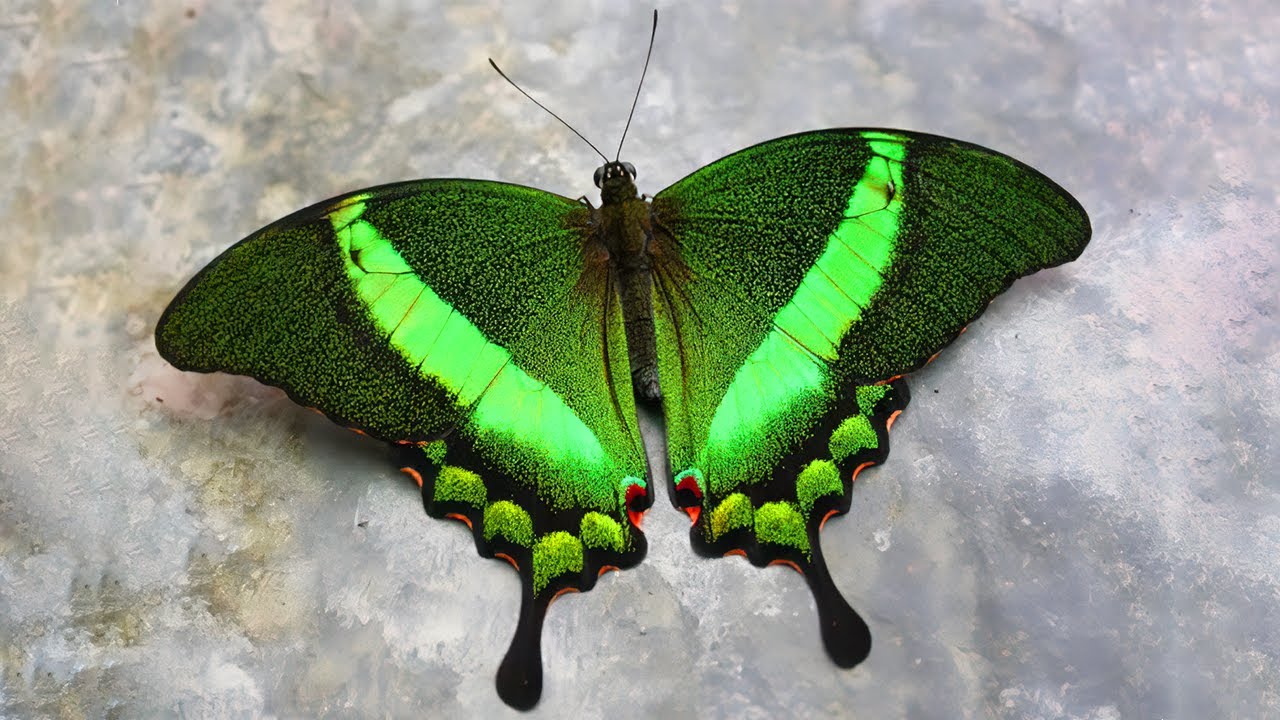
Butterflies are one of the most beautiful and fascinating creatures in the world. They come in a variety of colors, sizes, and patterns, making them a favorite among nature enthusiasts and collectors. In this article, we will take a look at the top 10 most beautiful butterflies in the world.
By ANEESHA RIZWAN3 years ago in Earth
The Plight of Whales.
Whales are among the most magnificent creatures on Earth, known for their impressive size, intelligence, and graceful movements in ocean. Unfortunately, these amazing creatures are facing a multitude of threats, including hunting, pollution, climate change, and habitat destruction. In this article, we will explore the current state of whale populations and the conservation efforts being made to protect them. Whaling is perhaps the most well-known threat to whales, and it has been going on for centuries. In the 20th century alone, it is estimated that over 2 million whales were killed for their meat, blubber, and other products. Although commercial whaling has been banned since 1986, some countries continue to engage in this practice under the guise of "scientific research." Japan, for example, has been criticized for its continued whaling activities in the Antarctic, which many believe are not for scientific purposes at all. Pollution is another major threat to whales. The ocean is full of plastic waste, chemicals, and other pollutants that can be harmful to marine life. Whales can ingest these pollutants when they mistake them for food or when they consume contaminated prey. This can cause serious health problems and even death. Noise pollution is also a concern, as loud underwater noises from human activities such as shipping and oil drilling can disrupt whale communication and behavior. Climate change is also taking a toll on whale populations. Rising ocean temperatures and changes in ocean currents are affecting the distribution and availability of food for whales. This can lead to malnutrition and starvation, particularly for species such as the blue whale, which rely on krill for their diet. Climate change can also cause more extreme weather events, such as hurricanes, which can disrupt whale habitats and cause damage to their populations. Habitat destruction is yet another threat to whales. Coastal development, such as the construction of ports, marinas, and industrial facilities, can disrupt whale migration routes and breeding grounds. Oil spills and other environmental disasters can also cause significant harm to whale habitats and populations. Despite these many threats, there is hope for the future of whale populations. Many conservation efforts are underway to protect these incredible creatures and their habitats. One of the most successful initiatives has been the establishment of marine protected areas (MPAs), which limit human activities in designated areas to protect marine ecosystems. Many MPAs have been established specifically to protect whale habitats and migration routes, and they have been shown to be effective in preserving marine biodiversity. Another important conservation effort is the enforcement of the International Whaling Commission's ban on commercial whaling. Although some countries continue to engage in this practice, there has been progress in reducing the number of whales killed for commercial purposes. In addition, there are efforts to reduce other human activities that can harm whales, such as shipping and oil drilling. For example, speed limits for ships have been put in place in areas where whales are known to live, in order to reduce the risk of collisions. Individual actions can also make a difference in protecting whales. For example, reducing the use of plastic and other pollutants can help reduce the amount of harmful materials in the ocean. Supporting eco-tourism activities that focus on whale watching can also help promote conservation efforts and generate economic benefits for local communities. In conclusion, whales are facing a multitude of threats that are putting their survival at risk. However, there are many conservation efforts underway to protect these magnificent creatures and their habitats. By establishing marine protected areas, enforcing the ban on commercial whaling, reducing human activities that harm whales, and taking individual actions to reduce pollution and support conservation efforts, we can help ensure that whales continue to grace our oceans for generations to come.
By Mr Royal Honey 3 years ago in Earth
2 in 1 Continent and Country
Australia is the smallest continent in the world and is entirely controlled by a single country. Despite its large land area, the population is relatively small with just over 26 million people. To put this into perspective, the lower 48 US states, which are comparable in size, have a population of over 300 million people. California and Texas alone have more people than the entire Australian continent. Even England, without factoring in the rest of the UK, has a population that is more than double that of Australia.
By Hawa Mohamed 3 years ago in Earth
The Secret Lives of Whales.
Whales are some of the most fascinating creatures on Earth. These massive mammals are found in every ocean and are known for their impressive size, unique songs, and incredible intelligence. However, there is still so much we don't know about these magnificent animals. Recent research has shed light on the secret lives of whales, including their behavior and communication in the deep blue. One of the most interesting aspects of whale behavior is their social structure. Whales are highly social animals that live in groups called pods. These pods can range in size from just a few individuals to hundreds of whales. Some whale species, such as humpback whales, are known for their complex songs that they use to communicate with other members of their pod. These songs are not only beautiful, but they also serve a critical purpose in the social structure of these animals. Researchers have discovered that humpback whale songs are actually cultural traditions that are passed down from generation to generation within a pod. Each pod has its own unique song that is slightly different from the songs of other pods in the same species. This means that humpback whales have their own distinct cultures, just like human societies. Whales also use body language to communicate with one another. They communicate through a variety of behaviors, such as breaching (jumping out of the water), tail slapping, and spy-hopping (poking their heads out of the water). These behaviors can convey a wide range of messages, from aggression and dominance to playfulness and affection. In addition to their social behavior, whales also have fascinating feeding habits. Some whale species, such as the humpback whale, feed on krill and small fish by using a feeding technique called bubble-netting. This involves a group of whales swimming in a circle and blowing bubbles to create a wall of bubbles that traps their prey. Once the prey is trapped, the whales swim through the bubble wall with their mouths open, scooping up huge amounts of food. Other whale species, such as the sperm whale, have a unique feeding habit. They dive to incredible depths, up to 3,000 meters, to hunt for giant squid. To do this, they use a specialized hunting technique called echolocation. Echolocation is a biological sonar system that whales use to locate prey in the dark depths of the ocean. They emit a series of clicks and listen for the echoes that bounce back off of objects in the water. This allows them to "see" in complete darkness and hunt for prey with incredible precision. Whales are also known for their incredible intelligence. They have large brains that are packed with neurons, which allows them to process information quickly and efficiently. They are capable of complex problem-solving and have been observed working together to solve tasks that require cooperation. One example of this is the way that humpback whales work together to create bubble nets. Creating a successful bubble net requires coordination and cooperation between all members of the pod. Each whale has a specific role to play, and they must work together seamlessly to trap their prey. Despite their intelligence and social behavior, whales are still under threat from human activities. Whaling, pollution, and climate change are all major threats to whale populations around the world. Many whale species are still recovering from centuries of commercial whaling, and some populations are still considered endangered. To protect these magnificent animals, it is crucial that we continue to learn more about their behavior and communication in the deep blue. By understanding their social structure, feeding habits, and intelligence, we can better protect these animals and ensure that they continue to thrive for generations to come.
By Mr Royal Honey 3 years ago in Earth
top 06 powerful horses in the world
Title: The Top 10 Most Powerful Horses in the World Introduction (50 words): Horses have been our companions and working partners for centuries. They possess immense strength, agility, and speed, making them essential for various tasks, from transportation to sport. In this article, we will explore the top 10 most powerful horses in the world, considering their physical attributes, accomplishments, and impact on different industries.
By ANEESHA RIZWAN3 years ago in Earth