Nature
"The impact of climate change on global biodiversity and the urgent need for conservation efforts."
The sun beat down on the dusty plains of southern Africa like a hammer on an anvil. In the distance, a group of elephants lumbered across the savannah, their long trunks snuffling for water. Behind them, a haze of smoke hung over the horizon, a sign of the wildfires that raged unchecked for miles around. For centuries, this land had been home to some of the world's most magnificent creatures. Elephants and rhinos roamed freely across the plains, while lions and cheetahs hunted in the tall grasses. But now, all of that was changing. The climate was becoming hotter and drier, and the forests that once provided food and shelter were disappearing. As a result, many of these animals were being pushed to the brink of extinction. One such species was the African elephant. For years, these majestic creatures had wandered the savannahs in large family groups, their long trunks probing the ground for roots and tubers. But as the climate changed, food became scarcer, and the elephants had to travel farther and farther to find sustenance. In the early 2000s, a team of biologists set out to study these creatures and try to understand why their numbers were declining so rapidly. Led by Dr. Mary Henshaw, a renowned elephant expert, the team spent months tracking the animals across the plains, collecting data on their behavior, diet, and reproductive patterns. What they found was shocking. Not only were the elephants struggling to find food, but they were also facing increased competition from humans. As the climate grew hotter, farmers were forced to move their crops further and further into the elephants' habitat, making it harder for the animals to find food and water. Compounding the problem was the fact that many African nations were facing political instability and economic hardship, making it difficult for conservationists to get the support they needed to protect the elephants. Poaching was also on the rise, with ivory fetching high prices on the black market. Determined to save the elephants, Dr. Henshaw and her team worked tirelessly to develop strategies to protect the animals. They set up conservation programs that involved communities in elephant protection, and worked to educate farmers about ways to coexist with the creatures without harming them. It wasn't easy, but over time their efforts began to pay off. The number of elephant deaths began to decline, and the animals appeared to be reproducing more successfully. But the challenge remained: how to protect these creatures in the face of a changing climate and increasing human pressures. In the years that followed, Dr. Henshaw and her team continued to work on behalf of the elephants. They expanded their conservation efforts to include more of the animals' habitat, and lobbied governments for stronger protections and penalties for poaching. They ran programs to help local communities benefit from ecotourism, and worked to develop alternative livelihoods for farmers who were losing their crops to the elephants. Today, the African elephant remains one of the most iconic species on the planet, its trunk and tusks a symbol of the continent's wild beauty. Though challenges remain, the work of Dr. Henshaw and her team has helped ensure that generations to come will be able to witness the majesty of these creatures and the ecosystems they support. As for Dr. Henshaw herself, she remains as dedicated as ever to the cause of conservation. Though she has retired from fieldwork, she continues to speak out on behalf of endangered species, insisting that there is still much work to be done to protect our planet's wildlife from the ravages of climate change and human encroachment. As Dr. Henshaw watched the elephants roam among the acacia trees, she felt a deep sense of satisfaction that all of her efforts had not been for nothing. She had dedicated her entire life to studying these creatures and ensuring their survival, and now she was seeing the fruits of her labor firsthand. But she knew that the fight was far from over. Climate change continued to loom over the African continent like a dark cloud, threatening to undo all of the progress that had been made. And with human populations continuing to grow and encroach upon wild habitats, the challenges facing wildlife were becoming ever more daunting. For Dr. Henshaw, the key to success lay in collaboration. She knew that no one person, or even one organization, could save the elephants alone. It would take a coordinated effort from governments, NGOs, and local communities to ensure that these creatures were protected for generations to come. So she continued to attend conferences and meetings, working to build alliances with other conservationists and decision-makers. She wrote articles and gave interviews, raising awareness about the plight of the elephants and the importance of protecting their habitat. And she continued to mentor younger biologists, passing on her knowledge and expertise to the next generation of conservationists. Years later, as she looked back on a lifetime of work, Dr. Henshaw knew that she had made a difference. The African elephant remained an endangered species, but its future was brighter now than it had been before. And while she knew that there were still many challenges ahead, she remained hopeful that, with continued effort and collaboration, these magnificent creatures would be given the chance to thrive once more.
By Muhammad Kumarr3 years ago in Earth
Environmental justice and inequality
The scorching sun beat down on Maya's worn-out neighborhood, where dilapidated houses stood in the shadow of towering smokestacks. The air was thick with the acrid smell of pollution, and the once vibrant community now seemed trapped in a toxic haze. Maya, a young woman with fiery determination in her eyes, had grown up here, witnessing the devastating toll that environmental injustice had taken on her community.
By Paschal Mac-Braide3 years ago in Earth
Cherry Tree
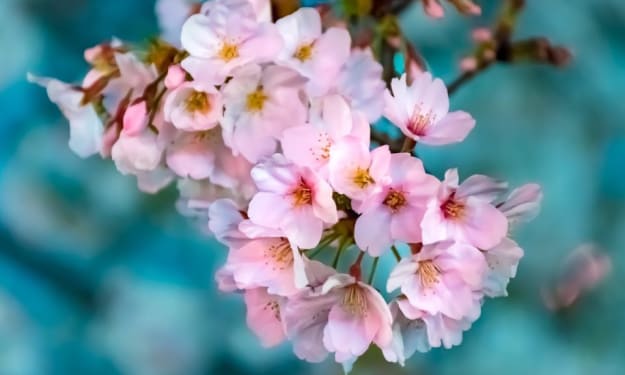
The cherry tree is a deciduous tree known for its beautiful and fragrant blossoms. It belongs to the Prunus genus and is native to regions of Asia, Europe, and North America. Cherry trees produce small, round fruits called cherries that come in various colors, such as red, yellow, or black. They are a popular ornamental tree and are also cultivated for their delicious fruit, often used in culinary applications and enjoyed fresh or in preserves and desserts.
By Wood Trend Factory3 years ago in Earth
How the Light Gets In
The idea of "How the Light Gets In" is very important in a world that is often surrounded by darkness and uncertainty. This phrase, which comes from a line in the well-known song "Anthem" by Leonard Cohen, sums up the human spirit's resilience and our capacity to find beauty and hope even in the face of adversity. In this essay, we will consider the philosophical, metaphorical, and practical implications of "How the Light Gets In" as well as its many facets.
By vocal is the best3 years ago in Earth
Transform Your Pool into a Relaxation Haven with a Spa Addition
Owning a pool is a wonderful luxury, offering refreshing dips on hot summer days and a space for outdoor entertainment. But what if you could take your pool experience to a whole new level of relaxation and tranquility? By adding a spa to your pool area, you can create a true haven of serenity right in your backyard. Let's explore how a spa addition can transform your pool into a relaxation paradise.
By Kevin Smith3 years ago in Earth
Title: The Rise of Sustainable Living: Tips for an Eco-Friendly Lifestyle
Introduction: In recent years, there has been a growing awareness of the importance of sustainable living and its impact on the environment. People around the world are embracing eco-friendly practices as they recognize the need to preserve our planet for future generations. In this blog post, we will explore various ways individuals can incorporate sustainable practices into their daily lives. From reducing waste and conserving energy to supporting ethical brands, these tips will empower you to make a positive impact and embrace an eco-friendly lifestyle.
By lazar damnjanovic3 years ago in Earth
Navigating Ports with Ease: Husbandry Services Drive Success in Shipping
In the fast-paced and constantly evolving shipping industry, the importance of smooth vessel operations and efficient port calls cannot be overstated. To achieve these goals, port agents are essential components. Husbandry services encompass a variety of support activities aimed at ensuring the overall well-being of vessels, crew, and cargo during their time in port. Agents act as intermediaries between shipowners, operators, and the diverse range of stakeholders at ports, enabling effective communication and facilitating streamlined port operations. Together, these services and professionals contribute to the success of maritime trade by optimizing efficiency, compliance, and coordination in the dynamic world of shipping.
By Sinoda Shipping3 years ago in Earth
Physicists create contained ball of turbulence in a tank
Turbulence is all around us, but it’s been a mystery to scientists for years. Part of the reason is that you can’t disconnect the phenomenon from its source (a spoon needs to stay in a cup of coffee when creating the effect).
By Richard Abolarinwa3 years ago in Earth
Revolutionizing Agriculture in India: The Promising Scope of Natural Farming
Introduction: Agriculture has long been the backbone of India's economy, providing sustenance to millions and playing a crucial role in the country's socio-economic development. With a rich agricultural heritage, India has witnessed various farming practices, including conventional methods, modern techniques, and now, a renewed interest in natural farming. Natural farming, a sustainable and eco-friendly approach, holds immense promise for Indian agriculture, offering numerous benefits and a more secure future for farmers and the environment.
By Unicrop Biochem3 years ago in Earth
The Impact of Single-Use Plastics: How to Reduce Plastic Waste
The Impact of Single-Use Plastics: How to Reduce Plastic Waste Introduction Plastic pollution has become a global environmental crisis, with single-use plastics playing a significant role in the degradation of our planet. These disposable items, such as straws, bags, and packaging, have adverse effects on our ecosystems, wildlife, and human health. In this article, we will delve into the impact of single-use plastics and explore effective strategies to reduce plastic waste. By implementing sustainable practices, we can mitigate the harmful consequences of plastic pollution and pave the way for a cleaner, greener future.
By Adeboye FG3 years ago in Earth