
The Art of Mixing Patterns in Home Decor
Start with a Neutral Base
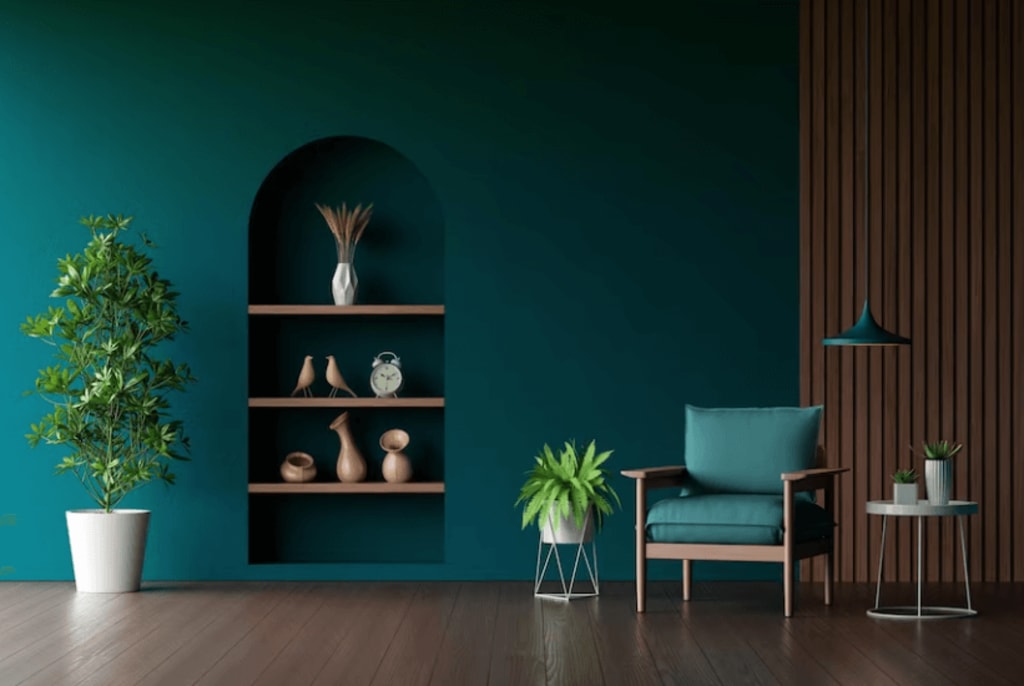
When it comes to home decor, one way to add personality, interest, and depth to your space is by mixing patterns. The art of mixing patterns allows you to create a unique and visually stunning environment that reflects your personal style. However, mastering the art of pattern mixing can be a bit tricky.
It requires a good eye for design and a thoughtful approach to achieve a cohesive and harmonious look. In this article, we will explore some key principles and tips to help you navigate the world of pattern mixing and create a stunning home decor.
Start with a Neutral Base
Before diving into pattern mixing, it's essential to establish a neutral base for your space. This serves as a backdrop that allows the patterns to stand out and shine. Choose a neutral color palette for your walls, flooring, and larger furniture pieces. Neutral tones like white, beige, gray, or cream work well as a foundation and provide a sense of balance and calmness. Once you have a neutral base, you can start adding patterns through smaller decor items and textiles.
Establish a Unifying Element
When mixing patterns, it's crucial to have a unifying element that ties the different patterns together. This could be a common color, texture, or theme. For example, you might choose a color that appears in each pattern or select patterns that share a similar style, such as floral or geometric. By establishing a unifying element, you create a sense of cohesion and prevent the patterns from clashing.
Vary the Scale
To create a visually interesting and balanced composition, it's important to vary the scale of the patterns you use. Mixing patterns of different sizes adds depth and dimension to your space. Consider incorporating a mix of large-scale patterns with smaller, more intricate ones. For instance, pair a bold, oversized floral print with a smaller, geometric pattern. This contrast in scale will create a dynamic and visually appealing look.
Play with Pattern Types
There are various pattern types you can experiment with when mixing patterns in home decor. Here are a few popular options:
- Floral Patterns: Floral patterns bring a touch of nature into your space and can range from delicate and romantic to bold and vibrant.
- Geometric Patterns: Geometric patterns add a modern and structured feel to your decor. They often feature clean lines, shapes, and repeated motifs.
- Stripes: Stripes are a classic pattern that can add a sense of sophistication and elegance to any room. They come in various widths and orientations, offering versatility in mixing with other patterns.
- Polka Dots: Polka dots are playful and whimsical patterns that can inject a fun and youthful vibe into your space. They can be large or small, depending on the desired effect.
- Animal Prints: Animal prints, such as leopard or zebra, can bring a touch of exoticism and drama to your decor. Use them sparingly as accents to avoid overwhelming the space.
Consider Textures
Texture is an essential element in home decor, and it can complement patterns beautifully. When mixing patterns, consider incorporating textured elements like woven fabrics, knits, or faux fur. These textures add depth and visual interest without overwhelming the space. For example, you could pair a chunky knit throw with a striped pillow or a velvet chair with a floral print cushion.
Test with Swatches
Before committing to a particular pattern combination, it's a good idea to test it out using swatches or samples. Gather fabric swatches or small samples of different patterns you're considering and place them side by side to see how they interact. This allows you to visualize the patterns together and assess whether they create the desired effect. It's also helpful to take into account the lighting conditions in your space, as patterns can appear differently under various lighting conditions.
Embrace Balance and Contrast
Achieving a balanced and visually appealing mix of patterns involves finding the right balance between cohesion and contrast. While it's important to have a unifying element, you also want to create contrast to avoid a monotonous look. Play with different combinations, such as pairing a busy pattern with a more subdued one or mixing patterns of different styles. Balance the visual weight of each pattern to ensure they don't overpower each other.
Start Small and Build Confidence
If you're new to pattern mixing, it's best to start small and gradually build your confidence. Begin by incorporating patterns in small doses, such as through throw pillows, curtains, or area rugs. As you become more comfortable, you can expand the use of patterns to larger pieces of furniture or even wallpaper. Remember, practice makes perfect, and experimenting with different combinations will help you develop your own unique style.
In conclusion, mixing patterns in home decor is a creative and exciting way to infuse personality and style into your space. By following these principles and tips, you can master the art of pattern mixing and create a visually stunning environment that reflects your unique taste. Remember to start with a neutral base, establish a unifying element, vary the scale, experiment with different pattern types, consider textures, and embrace balance and contrast. With practice and a keen eye for design, you'll be able to create a harmonious and captivating mix of patterns in your home.
About the Creator
Lorence
BloggerOutreachMedia is a dynamic platform dedicated to connecting brands with influential bloggers to enhance their digital presence.
Enjoyed the story? Support the Creator.
Subscribe for free to receive all their stories in your feed.
Comments
There are no comments for this story
Be the first to respond and start the conversation.