Humanity
5 Lucky Stones That Can Bring Wealth And Health
Gemstones have long been sought after for their beauty, rarity, and perceived spiritual properties. Many people believe that certain stones possess the power to bring good luck, wealth, and power to those who wear or carry them. While there is no scientific evidence to support these beliefs, many individuals have reported positive experiences with these gemstones. In this article, we will explore five gemstones that are known to bring wealth, power, and luck in life.
By imran Farooqui4 years ago in Earth
The benefits of islamic fasting
Benefits of Islamic Fasting. Fasting, the act of abstaining from food and drink for a certain period, is an integral part of Islamic practice. Every year, during the holy month of Ramadan, Muslims around the world fast from dawn until dusk. While many people associate fasting with deprivation and hunger, Islamic fasting has many benefits that extend beyond the spiritual realm. In this article, we'll explore some of the benefits of Islamic fasting and how it can positively impact our physical and mental health.
By Hasna Shahreen4 years ago in Earth
Refind oil
Oil Refining Threats The refining of oil has become a fundamental part of modern society, as oil is used to produce gasoline, diesel, aviation fuel, and a wide range of other products. However, the refining of oil also has some severe threats that are increasingly causing concern among policymakers, scientists, and the public.
By Hasna Shahreen4 years ago in Earth
The Rich History and Promising Future of Kashmiri Saffron: A Spice Worth Celebrating
Kashmiri saffron, known as "Kesar," is more than just a spice; it's a symbol of Kashmir Valley's rich culture and heritage. For over 2000 years, saffron has been an integral part of the region's tradition. The unique climate and soil conditions of the valley make it an ideal place for producing high-quality saffron. The fields are situated at an altitude of 1600 meters and surrounded by the Himalayan mountain range, which protects them from harsh weather conditions.
By SHAH JAHAN MUGHAL4 years ago in Earth
12 Unbelievable Animals with Superpowers You Never Knew Existed
Nature is an incredible tapestry of life, full of diverse and fascinating creatures that never cease to amaze us with their astonishing abilities and adaptations. In the face of the challenges presented by their environments, many animals have evolved extraordinary superpowers that enable them to survive, thrive, and outwit their predators and competitors. From regenerative marvels to masters of disguise, these incredible animals inspire awe and admiration, offering a glimpse into the boundless potential of evolution and the wonders of the natural world.
By Gokhan Polard4 years ago in Earth
"Exploring the Beauty and Diversity of Mexico"
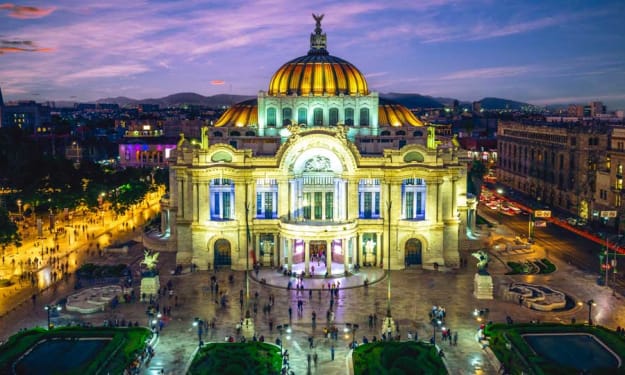
Mexico is a country located in the southern part of North America. It is the third-largest country in Latin America and has a rich cultural heritage that spans thousands of years. Mexico has a diverse landscape that includes beaches, mountains, deserts, and jungles. Some of the country's most famous landmarks include the Mayan ruins of Chichen Itza and the Aztec temple of Templo Mayor in Mexico City. The population of Mexico is around 130 million people, making it the 10th most populous country in the world. The official language is Spanish, but there are also many indigenous languages spoken throughout the country. Mexico is known for its delicious cuisine, which includes dishes such as tacos, enchiladas, and guacamole. The country is also famous for its tequila, which is made from the blue agave plant that grows in the region surrounding the city of Tequila. In terms of its economy, Mexico has a diverse range of industries including manufacturing, tourism, and agriculture. The country is also a major exporter of oil and gas, and is home to several large multinational corporations. Mexico has a rich cultural heritage, with influences from its pre-Columbian civilizations, as well as from its Spanish colonial past. The country has produced many famous artists, writers, and musicians, including Frida Kahlo, Octavio Paz, and Carlos Santana. However, Mexico has also faced significant challenges, including poverty, corruption, and violence related to drug trafficking. The government has made efforts to address these issues, but they remain ongoing concerns.
By DINESH KUMAR.C4 years ago in Earth
"Russia's Riches"
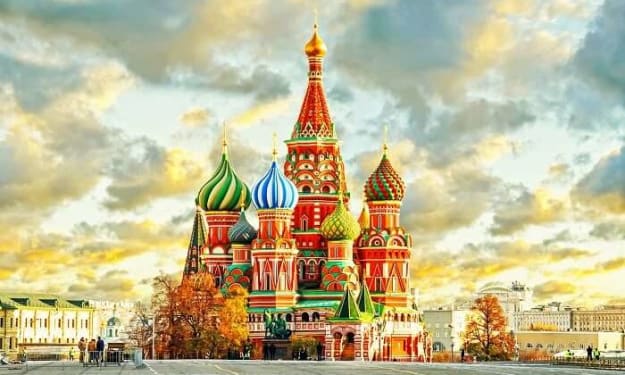
Russia is a vast country with abundant natural resources. It is the world's largest country in terms of land area and has a rich and diverse range of natural resources, including oil, natural gas, coal, timber, minerals, and precious metals. Russia is the world's largest producer of crude oil and natural gas, and these resources are the backbone of the Russian economy. Russia has extensive oil reserves, with estimates of up to 80 billion barrels, and it is the second-largest producer of oil after the United States. The country is also rich in natural gas, with the largest reserves in the world. Apart from oil and gas, Russia has significant reserves of coal, which is used for power generation and industrial purposes. The country is also rich in timber, with vast forests covering around half of its land area. Russia is the world's largest exporter of timber and is home to many valuable hardwood species. Russia also has abundant reserves of minerals, including iron ore, nickel, copper, platinum, and diamonds. The country is among the world's leading producers of these minerals, and they are essential for the country's industrial development and export revenues. In addition to natural resources, Russia is also a major producer of agricultural products, including wheat, barley, and other grains. The country has vast farmland, and agriculture is a significant contributor to the country's economy. Overall, Russia's natural resources are a vital component of its economy, and they play a significant role in shaping its foreign policy and international relations. The country's vast reserves of oil and gas, in particular, give it significant geopolitical influence and are a key factor in its relationships with other countries.
By DINESH KUMAR.C4 years ago in Earth
"An Overview of Bangladesh"
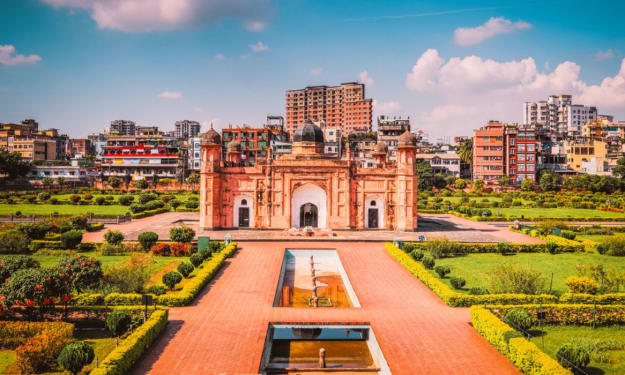
Bangladesh is a country located in South Asia, bordered by India to the north, east, and west, and Myanmar to the southeast. It has a rich cultural heritage, a diverse population, and a history that dates back over 4,000 years. Here is an overview of Bangladesh Geography: Bangladesh is a low-lying country with a predominantly flat landscape, criss-crossed by numerous rivers and deltas. The country has a total land area of 147,570 square kilometers, with a population of over 165 million people as of 2021. Dhaka is the capital and largest city of Bangladesh. Climate: Bangladesh has a subtropical monsoon climate, with hot, humid summers and cool, dry winters. The country experiences heavy rainfall during the monsoon season, which lasts from June to October. Flooding and cyclones are common natural disasters in Bangladesh, often causing significant damage to infrastructure and livelihoods. Culture and Society: Bangladesh has a rich and diverse cultural heritage, shaped by its long history and the influences of Hinduism, Buddhism, and Islam. The official language of the country is Bengali, which is spoken by the majority of the population. English is also widely spoken and taught in schools. Islam is the predominant religion in Bangladesh, with over 90% of the population practicing Islam. Other religions such as Hinduism, Buddhism, and Christianity are also practiced by minority groups in the country. Bangladesh is known for its handicrafts, textiles, and traditional arts, including the famous Nakshi Kantha embroidery, Jamdani muslin, and the Shakha Pola bangles worn by Bengali brides. The country also has a rich literary tradition, with notable authors such as Rabindranath Tagore and Kazi Nazrul Islam. Economy: Bangladesh is one of the fastest-growing economies in the world, with a GDP growth rate of over 5% in 2020. The country's economy is largely based on agriculture, with rice being the main crop. The garment industry is also a significant contributor to the economy, accounting for over 80% of Bangladesh's exports. The country has made significant strides in poverty reduction, with the poverty rate declining from over 50% in the early 2000s to around 20% in 2021. However, inequality and economic disparities remain a challenge, with rural areas and marginalized communities often experiencing higher levels of poverty and underdevelopment. Politics: Bangladesh is a parliamentary democracy, with a president serving as the head of state and a prime minister as the head of government. The current prime minister is Sheikh Hasina, who has been in power since 2009. The country has a history of political instability, with frequent coups and periods of military rule. Bangladesh gained independence from Pakistan in 1971 after a nine-month war. The country has since faced numerous challenges, including political violence, corruption, and human rights abuses. The Rohingya refugee crisis, in which over 1 million Rohingya refugees have fled from neighboring Myanmar to Bangladesh, is a major humanitarian issue facing the country. Tourism: Bangladesh is home to numerous tourist attractions, including ancient temples and mosques, national parks and wildlife sanctuaries, and the world's largest delta, the Sundarbans. The country also has a rich culinary tradition, with delicious dishes such as biryani, samosas, and pitha. In conclusion, Bangladesh is a country with a rich cultural heritage, a diverse population, and a growing economy. While the country faces numerous challenges, it has made significant progress in areas such as poverty reduction and economic growth. With its unique attractions and warm hospitality, Bangladesh is a country that is well worth exploring.
By DINESH KUMAR.C4 years ago in Earth
"Discovering Nigeria: History, and Landscapes of West Africa."
Nigeria is a country located in West Africa. It is the most populous country in Africa, with an estimated population of over 206 million people as of 2021. It is also the seventh most populous country in the world. Nigeria is known for its diverse ethnic groups, languages, cultures, and religions. The major ethnic groups in Nigeria are the Hausa, Igbo, and Yoruba. English is the official language of the country, although many Nigerians also speak their respective ethnic languages. The economy of Nigeria is largely dependent on oil, which accounts for a significant portion of the country's GDP. However, Nigeria has also made efforts to diversify its economy, with industries such as agriculture, manufacturing, and services growing in recent years. Nigeria has a rich cultural heritage, with traditional music, dance, and art forms that reflect the country's diverse ethnic groups. The country is also known for its literature, with several Nigerian authors gaining international recognition, including Chinua Achebe, Wole Soyinka, and Chimamanda Ngozi Adichie. Nigeria has faced several challenges in recent years, including political instability, corruption, and terrorism. Boko Haram, an Islamist extremist group, has been responsible for numerous attacks in the country, particularly in the northeast. Despite these challenges, Nigeria remains a vibrant and resilient country with a rich culture and history.
By DINESH KUMAR.C4 years ago in Earth
"Creating Your Own Healing Oasis: Unleash the Power of Nature with a Medicinal Garden Kit"
Are you interested in harnessing the healing power of plants? Creating your own medicinal garden can be a rewarding and fulfilling endeavor. Not only can it provide you with a source of fresh herbs for medicinal use, but it can also be a beautiful addition to your backyard or even a windowsill. One great way to start your medicinal garden journey is by putting together a medicinal garden kit. In this article, we'll guide you through the basics of creating your own medicinal garden kit, perfect for beginners.
By Sheikh Azzu4 years ago in Earth