Humanity
The Last Tree: Explore the emotional journey of a young girl
Sarah stood frozen, her eyes wide with disbelief as she watched the chainsaw rip through the trunk of the towering oak tree. Its branches, once adorned with vibrant leaves, now fell to the ground with a solemn grace. The sound echoed through the neighborhood, drowning out the cries of the birds that called the tree home. Tears welled up in Sarah's eyes, a mix of anger, sadness, and frustration.
By Verónica Mbuggoh3 years ago in Earth
Negative Campaigning:
Title: The Cost of Dirty Politics Once upon a time in the quiet town of Meadowbrook, where local elections were typically civil and focused on community issues, a bitter rivalry emerged during a mayoral race. The incumbent mayor, Clara Thompson, known for her dedication to public service, was seeking re-election. However, her opponent, Marcus Reed, had adopted a different approach—one filled with negativity and dirty tactics.
By Obiajulu Henry3 years ago in Earth
Earth Day has been celebrated on April 22
Earth Day is celebrated annually on April 22nd. It was first observed in 1970 and has since become a global event aimed at raising awareness about environmental issues and promoting sustainability. The day serves as a reminder of the importance of taking care of our planet and encourages individuals, communities, and organizations to take action to protect the environment. Earth Day events often include activities such as tree planting, clean-up campaigns, educational programs, and discussions on environmental topics. It is a significant day for promoting environmental awareness and encouraging efforts to create a more sustainable future. The first Earth Day was organized by U.S. Senator Gaylord Nelson as a way to educate the public about the impacts of pollution and to encourage environmental activism. It brought together millions of people from various backgrounds, resulting in the creation of the United States Environmental Protection Agency (EPA) and the passage of important environmental legislation, such as the Clean Air Act, Clean Water Act, and Endangered Species Act.
By Shelian Francis3 years ago in Earth
Twists' Appeal in "Cruel Summer"
Title The television series "Cruel Summer" has garnered significant attention and a dedicated fan base since its debut. The show, known for its complex characters and intriguing storyline, has recently introduced a new twist that has captivated audiences. This twist, which takes the narrative in an unexpected direction, has left fans speculating and discussing the show more fervently than ever before. In this article, we will explore the reasons behind why anyone is buying into Cruel Summer's latest twist and its impact on the show's popularity. 1. The Element of Surprise: One of the primary reasons viewers are drawn to Cruel Summer's latest twist is the element of surprise. The unexpected turn of events in the storyline keeps the audience on the edge of their seats, eagerly anticipating what will happen next. The twist injects a new layer of intrigue and excitement into the show, leading viewers to speculate about the possible outcomes and motives of the characters involved. The unpredictability of the narrative keeps fans engaged and eagerly awaiting each new episode. 2. Character Development: Cruel Summer's latest twist has allowed for significant character development. By introducing unexpected elements into the storyline, the show delves deeper into the motivations, fears, and vulnerabilities of its characters. Viewers are given the opportunity to witness the growth and transformation of their favorite characters as they navigate the consequences of the twist. This character development adds depth and complexity to the show, making it more relatable and emotionally engaging for the audience. 3. Social Media Buzz: In the age of social media, the discussion and speculation surrounding television shows have become an integral part of the viewing experience. Cruel Summer's latest twist has sparked countless conversations and debates among fans on various online platforms. Social media buzz generates additional interest in the show, attracting new viewers who want to be a part of the conversation. The constant flow of theories, predictions, and analysis keeps the show's popularity alive between episodes and encourages fans to tune in each week. 4. Emotional Investment: Cruel Summer has successfully managed to create a strong emotional connection between the audience and its characters. The latest twist capitalizes on this emotional investment, evoking a range of feelings such as shock, empathy, and curiosity. As viewers become more invested in the characters' stories, they become more compelled to follow the show and its developments closely. The emotional impact of the twist creates a sense of urgency and attachment, driving viewers to continue watching to find out how the characters will overcome their challenges. 5. Narrative Complexity: The latest twist in Cruel Summer introduces a new layer of narrative complexity. It expands the show's overarching storyline, revealing hidden connections, and raising thought-provoking questions. The intricate web of plotlines and timelines challenges viewers to piece together the puzzle, fostering a sense of intellectual engagement. This complexity appeals to viewers who enjoy unraveling mysteries and uncovering the hidden truths within the show, creating a loyal following that eagerly consumes each new episode. 6. Themes of Deception and Betrayal: Deception and betrayal are recurring themes in Cruel Summer, and the latest twist amplifies these elements. The revelation of new secrets and the unveiling of characters' true intentions intensify the tension within the show. Viewers are drawn to the emotional rollercoaster of trust and suspicion, eagerly anticipating how the characters will navigate the intricate web of lies. The exploration of these themes taps into the human fascination with psychological intrigue and keeps the audience captivated. 7. High Production Value: Cruel Summer's latest twist is accompanied by the show's high production value, including its visually appealing cinematography, compelling performances, and well-crafted storytelling. The attention to detail and the overall quality of the production enhance the viewing experience and contribute to the show
By Oladele Olamilekan 3 years ago in Earth
Title: Roots of Resilience
Once upon a time, in a small coastal village, nestled between lush forests and the relentless sea, lived a young girl named Maya. She had grown up listening to her grandfather's tales of a time when the earth was abundant, and nature was revered. Maya longed to experience the same harmony between humans and the environment.
By Shaurya Sood3 years ago in Earth
Several Down Syndrome Features Linked to Hyperactive Antiviral Immune Response
Introduction Down syndrome, also known as trisomy 21, is a genetic condition caused by an extra copy of human chromosome 21. Over the past century, there has been a significant increase in the life expectancy of individuals with Down syndrome, thanks to greater inclusion, improved medical care, and the discontinuation of institutionalization. However, people with Down syndrome still face an increased risk of various co-occurring conditions, such as congenital heart defects, autoimmune conditions, autism spectrum disorders, and Alzheimer's disease. Understanding the underlying mechanisms behind these risks and resiliencies is crucial for advancing medical knowledge and improving the quality of life for individuals with Down syndrome.
By satish Kumar3 years ago in Earth
A Not-So-Selfish 'Genetic Parasite' Preserves Fertility
Ribosomal DNA (rDNA) sequences play a vital role in the genetic makeup of numerous species. However, the repetitive nature of these DNA sequences makes them prone to shrinkage over time, endangering cell survival. When rDNA shrinks significantly in germ cells, the cells responsible for producing eggs and sperm, individuals may face infertility, and entire lineages could face extinction. Scientists have long sought to unravel the mystery behind the preservation of rDNA across generations. Recent research conducted by Whitehead Institute Member Yukiko Yamashita and postdoc Jonathan Nelson has uncovered an unexpected guardian of rDNA—retrotransposons, genetic elements previously labeled as genetic parasites due to their tendency to replicate themselves.
By satish Kumar3 years ago in Earth
Loss and Grief
Amidst the tranquil embrace of the mountains, a picturesque town named Evergreen thrived. Nestled in the heart of a pristine forest, it was a haven for those seeking solace and serenity. But on one fateful summer's day, the tranquility shattered, consumed by a merciless blaze that ravaged everything in its path.
By Emmanuel Abengowe3 years ago in Earth
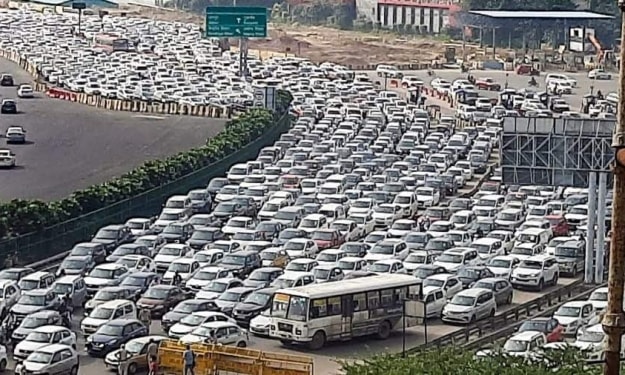
How Can We Help Ease Traffic Congestion in Our Countries?
Traffic congestion has become a ubiquitous problem in our country, causing frustration and wasting valuable time for commuters on a daily basis. The ever-increasing number of vehicles on the road, coupled with inadequate infrastructure and inefficient public transportation systems, has led to this predicament. Addressing traffic congestion is crucial not only for the convenience and well-being of individuals but also for the overall economic and environmental sustainability of our nation. In the following article, we will explore various strategies that can help alleviate traffic congestion, considering practical examples and real-world anecdotes to provide a humane understanding of the issue. Current State of Traffic Congestion Recent studies reveal alarming statistics about the severity of traffic congestion in our country. In major cities, commuters often find themselves stuck in gridlock for hours, resulting in wasted productivity, increased fuel consumption, and heightened air pollution. Take, for instance, the city of Metropolis, where rush hour traffic has become a dreaded phenomenon. The roads are jam-packed with vehicles, causing frustration and stress for residents. The causes of traffic congestion are multifaceted. One primary factor is the limitations in road infrastructure. Many roads were built years ago and have not been adequately expanded or maintained to accommodate the surging number of vehicles. In Metropolis, for instance, the main arterial road leading into the city center experiences constant bottlenecks, significantly contributing to traffic congestion. Another significant factor is the rise in private vehicles. As incomes have increased and vehicle ownership has become more affordable, there has been a surge in the number of cars on the road. This increased private vehicle usage further strains the existing infrastructure and exacerbates traffic congestion. Inefficient public transportation systems also contribute to the problem. Many commuters opt for private vehicles due to the unreliability, overcrowding, and limited reach of public transportation. In Metropolis, the inadequate bus and metro networks fail to provide a viable alternative, leading to a higher reliance on personal vehicles. Strategies for Alleviating Traffic Congestion: To address this issue, a comprehensive approach is required. Let's explore some strategies that can help alleviate traffic congestion in our countries... 1. Improved Public Transportation Expanding and enhancing existing public transportation networks is key to reducing traffic congestion. Take the example of Stockholm, Sweden. By investing in a well-connected metro and bus system, Stockholm has encouraged residents to use public transport as a convenient and efficient alternative to private vehicles. As a result, traffic congestion has significantly reduced, and the city has experienced improved air quality. 2. Infrastructure Development Investing in infrastructure development is crucial to accommodate the growing number of vehicles. For instance, the city of Tokyo, Japan, has implemented an extensive network of expressways, smart traffic management systems, and synchronized traffic signals. These initiatives have significantly improved traffic flow and reduced congestion, contributing to a smoother commuting experience for residents and visitors. 3. Encouraging Alternative Modes of Transportation Promoting alternative modes of transportation can also alleviate traffic congestion. Cities like Amsterdam, Netherlands, have prioritized cycling and walking infrastructure, creating an environment where these modes of transport are safe, convenient, and enjoyable. By providing dedicated cycling lanes and pedestrian-friendly streets, Amsterdam has managed to reduce car usage significantly, resulting in less traffic congestion and improved air quality. 4. Implementing Traffic Demand Management Measures Traffic demand management measures aim to regulate and control the flow of vehicles on the roads. Congestion pricing schemes have been successfully implemented in cities like London, UK, where motorists are charged a fee to enter certain congested areas during peak hours. This strategy encourages individuals to consider alternative transportation options or adjust their travel times, thereby reducing congestion. Additionally, flexible work hours and telecommuting options can also help alleviate peak-hour traffic by dispersing the number of vehicles on the road. Potential Challenges and Solutions: While implementing these strategies is crucial, several challenges must be addressed. Financial considerations often pose a significant hurdle, as extensive infrastructure development and public transportation enhancements require substantial investments. However, by prioritizing and allocating funds strategically, governments can gradually overcome this challenge. Overcoming resistance to change is another obstacle. Some individuals may be resistant to adopting alternative modes of transportation or adjusting their travel patterns. Effective public awareness campaigns and education about the benefits of reducing traffic congestion can help foster a mindset shift and encourage behavioral changes. Traffic congestion is a pressing issue that demands immediate attention. By implementing a combination of strategies such as improved public transportation, infrastructure development, encouraging alternative modes of transportation, and implementing traffic demand management measures, we can make significant strides in easing traffic congestion in our country. Emulating successful examples from cities worldwide and tailoring them to our specific needs and challenges will ensure a more efficient and sustainable transportation system for all. Let us take action today to pave the way for smoother journeys and a brighter future.
By Okanu Gracious3 years ago in Earth
The Lost Journey: A Quest for Purpose and Connection
Once upon a time, in a bustling city filled with endless possibilities, there lived a man named Thomas. Despite his humble beginnings, Thomas possessed an indomitable spirit and an unwavering determination to conquer the world. However, as fate would have it, life had its own plans for him.
By karthik Zan3 years ago in Earth