Humanity
Understanding Climate Vulnerability
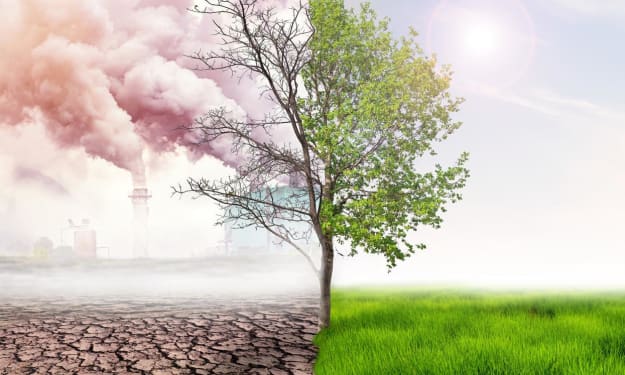
As man-induced climate changes continue to escalate, the frequency and severity of disasters are on the rise. The Global Assessment Report 2019 for Disaster Risk Reduction reveals that a climate crisis occurs every single week, with hurricanes, storm surges, floods, droughts, and other extreme weather events wreaking havoc worldwide. While the direct connection between these events and climate change may be debated, it is undeniable that the number of such events has significantly increased over the last three decades. Africa, in particular, faces significant climate vulnerability and must take decisive steps to reduce its susceptibility to these impacts.
By Chela Kikwai3 years ago in Earth
Unleashing the Power of Self-Compassion:
Unleashing the Power of Self-Compassion: Nurturing Inner Kindness for Personal Growth Introduction: In a world that often demands perfection and self-criticism, cultivating self-compassion can be a transformative act of kindness towards ourselves. Self-compassion is the practice of treating ourselves with the same warmth, understanding, and support that we would offer to a loved one. In this article, we will explore the power of self-compassion, its benefits, and real-life examples that demonstrate how embracing self-compassion can inspire personal growth and well-being.
By Christina Needham3 years ago in Earth
The Implications of Artificial Intelligence: Perspectives and Concerns
Artificial intelligence (AI) has emerged as a transformative force poised to reshape our lives and the world at large. However, there remains a lack of consensus on the precise implications of this technology. In an illuminating interview conducted by the World Economic Forum, esteemed computer science professor Stuart Russell offers invaluable insights into the challenges and considerations surrounding AI. This essay delves into the themes discussed, including the need for adaptable objectives in AI systems, the impact on employment, and the preservation of human knowledge in the face of advancing AI.
By Khaled Ahmed3 years ago in Earth
The Ultimate Guide to Boosting Your Immune System Naturally
Introduction, In these unprecedented times, maintaining a strong immune system has become more crucial than ever. While there's no magical solution to ward off every illness, there are natural ways to enhance your body's defense mechanism. In this ultimate guide, we'll unveil powerful strategies to strengthen your immune system and keep it fighting fit. From nutrition and exercise to sleep and stress management, we'll explore the key factors that play a vital role in bolstering your immunity. Get ready to unleash your inner defense mechanism! Section 1: Power Foods for Immunity The food you consume acts as fuel for your immune system. Including nutrient-rich foods in your diet can give your immune system a significant boost. Incorporate superfoods such as berries, leafy greens, citrus fruits, garlic, and turmeric into your meals. These power-packed ingredients are loaded with antioxidants and essential vitamins that help fight off harmful invaders. Remember to prioritize a balanced diet and consider adding immune-boosting supplements like vitamin C and zinc to enhance your body's defense mechanism further. Section 2: Move It, Boost It! Regular physical activity not only keeps your body in shape but also strengthens your immune system. Engaging in moderate exercise for at least 30 minutes a day can enhance your immune response. Activities like brisk walking, cycling, or yoga stimulate the circulation of immune cells in your body, improving their ability to detect and eliminate pathogens. So put on your workout gear and get moving to give your immune system the daily kickstart it needs. Section 3: Sleep, the Unsung Hero Believe it or not, quality sleep plays a pivotal role in bolstering your immune system. During sleep, your body repairs and regenerates cells, ensuring optimal immune function. Aim for 7-9 hours of uninterrupted sleep each night to provide your body with ample rest. Create a calming sleep environment, establish a consistent bedtime routine, and limit screen time before bed. By prioritizing your slumber, you're equipping your immune system with the rejuvenation it needs to combat potential threats. Section 4: Stress Less, Thrive More Chronic stress weakens your immune system, making you susceptible to illnesses. Implement stress-reducing techniques such as meditation, deep breathing exercises, or engaging hobbies like painting or gardening. Find what works best for you and make it a part of your daily routine. Additionally, ensure you're allocating time for self-care and relaxation. By managing stress effectively, you're providing your immune system with the resilience it needs to fight off infections. Section 5: Sun, Vitamin D, and Immunity Did you know that sunlight can play a role in strengthening your immune system? Exposure to sunlight helps your body produce vitamin D, a crucial nutrient for immune function. Aim for at least 15 minutes of sun exposure each day, but don't forget to protect your skin. If sunlight is limited, consider adding vitamin D-rich foods or supplements to your diet. Maintaining optimal levels of vitamin D can provide an extra shield of defense against common illnesses. In conclusion, by implementing these natural strategies, you can fortify your immune system and unleash your body's inner defense mechanism. Remember, boosting your immunity is an ongoing process that requires consistency and dedication. Combine a nutrient-rich diet, regular exercise, quality sleep, stress management, and adequate vitamin D intake to optimize your immune function. As you prioritize your overall well-being, your immune system will become stronger, enabling you to lead a healthier and more resilient life. Embrace these natural methods, and let your immune system thrive in the face of any challenges that come your way!
By Samson Rasheed Adepoju 3 years ago in Earth
Environmental factors
Cancer is a complex disease that can be caused by a variety of factors, including genetics, lifestyle choices, and environmental factors. While some risk factors for cancer, such as genetics, cannot be changed, there are many steps that individuals can take to reduce their risk of developing cancer. One important area of focus is addressing environmental factors that may contribute to cancer, such as air pollution, exposure to chemicals, and radiation. Air Pollution Air pollution is a major environmental factor that can contribute to cancer. According to the World Health Organization (WHO), air pollution is responsible for an estimated 7 million premature deaths each year, with cancer being one of the leading causes of death. Air pollution can contain a variety of harmful substances, including particulate matter, nitrogen oxides, sulfur dioxide, and ozone. These substances can damage DNA and other cellular structures, leading to mutations that can contribute to the development of cancer. To reduce the risk of cancer from air pollution, individuals can take several steps. One important step is to reduce exposure to air pollution by avoiding areas with high levels of pollution, such as busy roads or industrial areas. Individuals can also take steps to reduce their own contribution to air pollution, such as driving less, using public transportation, or using energy-efficient appliances and vehicles. Additionally, individuals can support policies and initiatives that aim to reduce air pollution, such as stricter emissions standards for vehicles and industrial facilities. Exposure to Chemicals Exposure to chemicals is another environmental factor that can contribute to cancer. Chemicals can be found in a variety of products and environments, including pesticides, cleaning products, and industrial facilities. Exposure to chemicals can damage DNA and other cellular structures, leading to mutations that can contribute to the development of cancer. To reduce the risk of cancer from exposure to chemicals, individuals can take several steps. One important step is to reduce exposure to chemicals by using natural or non-toxic products whenever possible, such as natural cleaning products or organic foods. Individuals can also take steps to reduce their exposure to chemicals in the workplace, such as wearing protective gear or following safety protocols. Additionally, individuals can support policies and initiatives that aim to reduce exposure to chemicals, such as stricter regulations on the use of pesticides and other toxic substances. Radiation Radiation is another environmental factor that can contribute to cancer. Radiation can come from a variety of sources, including medical procedures, nuclear power plants, and natural sources such as radon gas. Exposure to radiation can damage DNA and other cellular structures, leading to mutations that can contribute to the development of cancer. To reduce the risk of cancer from radiation, individuals can take several steps. One important step is to reduce exposure to radiation by avoiding unnecessary medical procedures that involve radiation, such as CT scans or X-rays. Individuals can also take steps to reduce their exposure to radiation in the workplace, such as wearing protective gear or following safety protocols. Additionally, individuals can support policies and initiatives that aim to reduce exposure to radiation, such as stricter regulations on the use of nuclear power and other sources of radiation. Conclusion Cancer is a complex disease that can be caused by a variety of factors, including genetics, lifestyle choices, and environmental factors. While some risk factors for cancer cannot be changed, there are many steps that individuals can take to reduce their risk of developing cancer. Addressing environmental factors that may contribute to cancer, such as air pollution, exposure to chemicals, and radiation, is an important area of focus. By taking steps to reduce exposure to these environmental factors and supporting policies and initiatives that aim to reduce them, individuals can help reduce their risk of developing cancer and promote a healthier environment for all.
By Oloruntobi opeyemi 3 years ago in Earth
Wonders of Earth . Content Warning.
In the vast expanse of the universe, there exists a planet teeming with life and wonder: Earth. A planet unlike any other, with its breathtaking landscapes, diverse ecosystems, and countless natural curiosities that continue to captivate and inspire us. From the depths of the oceans to the soaring heights of mountains, Earth is a treasure trove of curiosities that reveal the remarkable intricacies of nature. Let us embark on a journey of exploration and discovery, where each step unravels the mysteries of our extraordinary planet. Beneath the surface of the mighty oceans, a hidden world of marvels awaits. The Great Barrier Reef, stretching over 2,300 kilometers off the coast of Australia, is a living masterpiece composed of billions of tiny organisms known as coral polyps. This vibrant ecosystem, visible even from space, supports a staggering diversity of marine life. From technicolor fish to graceful sea turtles, the reef is a testament to nature's artistry. Venturing further inland, we encounter the majestic Amazon Rainforest, a sprawling green paradise that blankets vast areas of South America. Home to an estimated 400 billion individual trees and an astonishing array of plant and animal species, the Amazon is often referred to as the "lungs of the Earth." It produces 20% of the world's oxygen, playing a vital role in regulating the planet's climate. Moving across continents, we arrive at the Serengeti Plains in Africa, where one of the most spectacular wildlife migrations unfolds. Every year, over a million wildebeests, along with zebras and antelopes, embark on a perilous journey in search of fresh grazing lands. This grand spectacle, known as the Great Migration, spans thousands of kilometers and showcases the incredible resilience and adaptability of nature. In the frozen realms of the Arctic, we witness the mesmerizing dance of the Northern Lights. This ethereal display of swirling colors in the night sky is caused by the interaction between charged particles from the sun and Earth's magnetic field. It is a reminder of the planet's constant interaction with the vast cosmic forces that surround it. Back on land, we encounter the towering giants of nature: the ancient and mighty Redwood trees of California. These giants can reach heights of over 100 meters and have been standing for thousands of years, witnessing the passage of time and the stories of generations. They serve as a humbling reminder of the resilience and endurance of life. On the opposite end of the spectrum, we find the delicate beauty of bioluminescent organisms. In the depths of dark caves or the shimmering waves of the ocean, these creatures emit a soft, otherworldly glow. From fireflies to glowing mushrooms, their enchanting luminescence illuminates the mysteries of the natural world. Nature's curiosities extend beyond the physical realm. We marvel at the intelligence and social complexities of animals such as dolphins, elephants, and primates. These creatures exhibit remarkable problem-solving skills, emotional depth, and intricate communication systems, reminding us of the intricate tapestry of life on Earth. As we conclude our journey of exploration, we are left in awe of the boundless wonders that nature has bestowed upon our planet. From the smallest microorganisms to the grandest landscapes, Earth is a testament to the awe-inspiring diversity and interconnectedness of life. In the face of these curiosities, we are reminded of the importance of our role as stewards of this planet. It is our duty to protect and preserve these natural wonders, ensuring that future generations can continue to revel in the awe and inspiration they provide. So let us stand in reverence and appreciation for our remarkable planet, with its breathtaking vistas, incredible creatures, and awe-inspiring curiosities. In the grand tapestry of the universe, Earth shines as a beacon of wonder—a testament to the beauty and intricacy of nature that surrounds us.Start writing...
By AKSHAY PATTANASHETTI3 years ago in Earth
A Battle Against the Global Health Crisis
The world as we know it has been irrevocably altered by the ongoing COVID-19 pandemic. Its impact on public health, social behavior, and the global economy will reverberate for years to come. However, amidst the unprecedented challenges, humanity has gleaned invaluable lessons and initiated profound changes that will better prepare us for and help us respond to future health crises.
By WellnessWhisper3 years ago in Earth
10 Surprising Benefits of Meditation for Your Mind and Body
In today's fast-paced world, finding balance and inner peace is more important than ever. Meditation, a practice that has been around for centuries, offers incredible benefits for both the mind and body. Beyond its reputation for reducing stress and promoting relaxation, meditation holds a treasure trove of surprising advantages that can transform your overall well-being. From increased creativity to improved immunity, this ancient practice has something extraordinary to offer. Let's explore the top 10 surprising benefits of meditation that will leave you amazed and inspired. 1. Enhanced Cognitive Function Meditation acts as a mental workout, stimulating various brain regions responsible for attention, memory, and problem-solving. Regular meditation practice has been found to improve cognitive function, including enhanced focus, concentration, and decision-making skills. By training the mind to stay present and mindful, meditation unlocks the hidden potential of your cognitive abilities, boosting productivity and overall mental performance. 2. Stress Reduction and Emotional Well-being One of the most well-known benefits of meditation is its ability to reduce stress and promote emotional well-being. By activating the relaxation response in the body, meditation helps to lower the levels of stress hormones like cortisol while increasing the production of mood-boosting chemicals such as serotonin and endorphins. Regular practice cultivates a sense of calm, resilience, and emotional balance, allowing you to navigate life's challenges with greater ease. 3. Improved Sleep Quality If you struggle with insomnia or poor sleep quality, meditation can be a game-changer. Research has shown that meditation relaxes the body and calms the mind, making it easier to fall asleep and stay asleep throughout the night. By incorporating a meditation practice into your bedtime routine, you can experience deeper, more restorative sleep, waking up refreshed and ready to tackle the day. 4. Increased Creativity and Problem-Solving Skills Are you looking to tap into your creative side? Meditation can help! By quieting the mind and reducing mental chatter, meditation opens up space for innovative ideas and insights to emerge. It enhances divergent thinking, allowing you to generate a broader range of ideas and solutions. Regular meditation practice can unleash your creative potential and improve your problem-solving skills in various aspects of life. 5. Strengthened Immune System Boosting your immune system is crucial for overall health and well-being, and meditation can be a powerful tool in this regard. Studies have shown that meditation improves immune function by reducing inflammation and increasing the production of immune-boosting cells. By incorporating meditation into your daily routine, you can fortify your body's defenses and enhance your ability to fight off illnesses. 6. Lowered Blood Pressure and Improved Heart Health In addition to its mental benefits, meditation offers significant advantages for cardiovascular health. Regular practice has been linked to decreased blood pressure levels and improved heart function. By inducing a state of deep relaxation, meditation helps to reduce stress on the heart and improve blood circulation. It's a natural and effective way to support a healthy heart and reduce the risk of heart disease. 7. Increased Self-Awareness and Mindfulness Meditation is a powerful tool for developing self-awareness and mindfulness, which involves being fully present in the current moment without judgment. By practicing meditation, you cultivate the ability to observe your thoughts, emotions, and sensations without getting caught up in them. This heightened awareness carries over into daily life, helping you make conscious choices and live with greater intention. 8. Improved Emotional Resilience and Mental Health Meditation offers remarkable benefits for emotional resilience and mental health. It has been found to reduce symptoms of anxiety, depression, and stress-related disorders. By training the mind to remain calm and focused, meditation equips you with valuable coping mechanisms to deal with life's challenges. It promotes a positive mindset, emotional stability, and overall mental well-being. 9. Enhanced Relationships and Empathy When we cultivate inner peace and compassion through meditation, it naturally translates into our relationships with others. Meditation helps us develop empathy and understanding, enhancing our ability to communicate and connect on a deeper level. By practicing mindfulness and compassion, we can foster healthier and more fulfilling relationships with our loved ones and the world around us. 10. Anti-Aging Effects and Improved Longevity Last but not least, meditation has been linked to anti-aging effects and improved longevity. Chronic stress and inflammation contribute to the aging process, while meditation counteracts these factors by reducing stress and promoting overall well-being. Regular practice has been associated with slower cellular aging and increased telomere length, which are markers of longevity and vitality. In conclusion meditation offers a multitude of surprising benefits for both the mind and body. From enhanced cognitive function to improved sleep quality, strengthened immunity to reduced stress levels, the transformative power of this ancient practice cannot be overstated. By incorporating meditation into your daily routine, you can unlock your hidden potential and experience a profound positive impact on your overall well-being. Start your meditation journey today and discover a world of extraordinary benefits waiting to be explored.
By Samson Rasheed Adepoju 3 years ago in Earth
From Awareness to Action: How Social Media Can Fuel Activism for Real Change
As social media continues to infiltrate every aspect of our lives, it has become a powerful tool for social change. From #MeToo to Black Lives Matter, awareness of social issues is higher than ever, and online activism has played a huge role in making that happen. But does simply raising awareness through social media translate to tangible action in the real world? And how can we ensure that we’re not just talking about change, but are actively working towards it? Raising Awareness Through Social Media Social media is often the first place we turn to when we want to share news or information with our friends and family. When a major news story breaks or an issue gains national attention, it’s almost guaranteed that it will be trending on Twitter, shared on Facebook, and posted on Instagram. One of the biggest advantages of social media is that it has the ability to reach an incredibly large audience. Information can spread like wildfire, and topics that might have been ignored by mainstream media can gain traction quickly through social media. For example, in 2017, the #MeToo movement took social media by storm, with thousands of women sharing their stories of sexual harassment and assault. The hashtag was used over 19 million times on Twitter and Facebook within the first month of its creation, and it sparked a national conversation about the prevalence of sexual harassment and assault in our society. But raising awareness is only the first step. The question then becomes: what do we do with this newfound awareness? Moving from Awareness to Action While social media can be a powerful catalyst for social change, it’s not enough on its own. We need to translate that awareness into tangible action and make real change in the world around us. Take the Black Lives Matter movement, for example. In the wake of George Floyd’s murder, social media was flooded with messages of support, and the hashtag #BlackLivesMatter was trending worldwide. But the real power of the movement lies in the action that followed. Protests erupted across the country, people donated to bail funds and mutual aid organizations, and there was a renewed push for police reform and accountability. The activism that was sparked on social media translated into real-world change. So how can we ensure that our social media activism leads to concrete action? Here are a few tips: 1. Get Informed Before you can take action, it’s important to educate yourself about the issues. Social media can be a great place to start, but it shouldn’t be your only source of information. Read books, watch documentaries, and seek out articles from reputable sources. Talk to people who have experienced the issues firsthand and try to understand their perspectives. 2. Take Small Actions Big change often starts with small actions. Donate to a mutual aid fund, sign a petition, or attend a local protest. These small actions can make a big difference, and they help to build a sense of community and connection with like-minded individuals. 3. Hold Those in Power Accountable Politicians, CEOs, and other people in positions of power have the ability to make real change. Hold them accountable for their actions (or lack thereof) and use your voice to demand change. This can include calling your representatives, attending town halls, and participating in peaceful protests. Real-Life Examples of Social Media Activism Leading to Change It’s easy to be cynical about the power of social media, but there are countless examples of social media activism leading to real change. Here are just a few: 1. The Standing Rock Protests In 2016, the Standing Rock Sioux Tribe launched a protest against the construction of a pipeline that would cross their land and threaten their water supply. Social media played a huge role in bringing attention to the issue, and protests erupted across the country. The hashtag #NoDAPL was used over 2.5 million times on Twitter alone, and celebrities like Mark Ruffalo and Shailene Woodley used their platforms to spread awareness. While the pipeline was eventually completed, the protests brought national attention to the issue and helped to spur a conversation about environmental justice. 2. The Women’s March In 2017, the day after Donald Trump’s inauguration, over 4 million people participated in the Women’s March. This massive protest was organized almost entirely through social media, and it quickly became a global movement. The Women’s March brought together people from all walks of life to demand equal rights and protections for women, and it helped to spark a renewed push for women’s rights around the world. 3. The Parkland Shooting Survivors In 2018, a school shooting in Parkland, Florida, claimed the lives of 17 people. In the aftermath of the shooting, the survivors used their social media savvy to demand policy change and gun control. They organized a national walkout, met with politicians, and participated in town halls. Their activism helped to reignite the debate about gun control and led to a number of policy changes in states around the country. Conclusion Social media is a powerful tool for raising awareness and bringing attention to social issues. But we can’t stop there. It’s up to us to translate that awareness into tangible action and make real change in the world. By educating ourselves, taking small actions, and holding those in power accountable, we can use social media to create a better world for ourselves and for future generations.
By Sunil Shaw3 years ago in Earth
5 Locations in Our Solar System That Could Potentially Support Life
Imagine exploring the depths of a salty ocean beneath the icy shell of a moon, where geothermal vents provide the energy needed for tiny microbes to survive. Picture a moon covered in rivers of methane and ethane, with the possibility of life hiding in the craters' depths. The point is, the search for signs of extraterrestrial life might not require us to venture beyond our own solar system.
By Valencia Katie Booysen3 years ago in Earth