Humanity
MUSHROOM
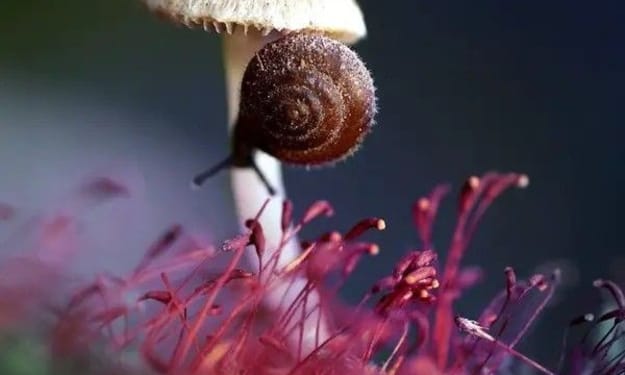
Mushrooms, often seen as the quintessential representatives of the fungal kingdom, are fascinating organisms that have intrigued humans for centuries. Their unique biology, diverse forms, culinary value, and medicinal properties make them a subject of immense interest in various fields. Biological Overview Mushrooms belong to the fungi kingdom, a group of eukaryotic organisms that also includes yeasts and molds. Unlike plants, fungi do not photosynthesize. Instead, they obtain nutrients through the decomposition of organic matter. Mushrooms are the fruiting bodies of fungi, which means they are the reproductive structures designed to produce and disperse spores. The main body of a fungus is a network of thread-like structures called mycelium, which typically exists underground or within decaying organic material. When environmental conditions are favorable - often involving a combination of temperature, humidity, and the availability of nutrients - the mycelium produces mushrooms. These mushrooms then release spores, which are analogous to seeds in plants, to propagate the fungus. Types of Mushrooms Mushrooms come in a vast array of shapes, sizes, and colors. They are broadly classified into several types based on their characteristics and uses: Edible Mushrooms: These are safe for consumption and are used extensively in cooking. Common examples include: Agaricus bisporus: Known as the common button mushroom, it is widely cultivated and consumed worldwide. Pleurotus ostreatus: Also known as oyster mushrooms, they have a delicate flavor and are popular in various cuisines. Lentinula edodes: Known as shiitake mushrooms, these are highly valued in East Asian cuisine and traditional medicine. Medicinal Mushrooms: Certain mushrooms are renowned for their health benefits and are used in traditional and modern medicine. Examples include: Ganoderma lucidum: Known as reishi or lingzhi, it is used for its supposed immune-boosting and anti-cancer properties. Cordyceps sinensis: This parasitic fungus is used in traditional Chinese medicine to enhance stamina and vitality. Psychedelic Mushrooms: These contain psychoactive compounds such as psilocybin and are used for their mind-altering effects. The most well-known species in this category is Psilocybe cubensis. Toxic Mushrooms: Some mushrooms are highly poisonous and can cause severe illness or death if ingested. Notable examples include: Amanita phalloides: Known as the death cap, it is one of the most poisonous mushrooms in the world. Amanita muscaria: Also known as fly agaric, it has hallucinogenic properties but is also toxic. Nutritional and Culinary Value Edible mushrooms are highly valued for their nutritional benefits and culinary versatility. They are low in calories and fat but rich in essential nutrients such as proteins, vitamins (especially B vitamins), and minerals (notably selenium, copper, and potassium). Mushrooms also contain dietary fiber and various bioactive compounds, including antioxidants. In the kitchen, mushrooms are prized for their umami flavor, which enhances the taste of various dishes. They can be grilled, sautéed, roasted, or used in soups, stews, and sauces. Some varieties, like truffles, are considered gourmet delicacies and command high prices in the culinary world. Medicinal Benefits Mushrooms have been used in traditional medicine for centuries, particularly in Asian cultures. Modern scientific research is increasingly validating many of these traditional uses. Some of the potential health benefits of medicinal mushrooms include: Immune System Support: Certain mushrooms, such as reishi and turkey tail (Trametes versicolor), are believed to boost the immune system by enhancing the activity of white blood cells. Anti-Cancer Properties: Compounds found in mushrooms like shiitake, maitake (Grifola frondosa), and turkey tail have shown promise in inhibiting cancer cell growth and improving the efficacy of conventional cancer treatments. Anti-Inflammatory Effects: Many mushrooms possess anti-inflammatory properties that may help in managing conditions like arthritis and other inflammatory diseases. Antioxidant Activity: Mushrooms contain antioxidants that can protect cells from damage caused by free radicals, potentially reducing the risk of chronic diseases. Ecological Significance Mushrooms play a crucial role in ecosystems as decomposers. By breaking down organic matter, they recycle nutrients back into the soil, fostering plant growth and maintaining ecological balance. Some fungi form symbiotic relationships with plants through mycorrhizal associations, where the mycelium enhances water and nutrient uptake for the plant, while the plant provides the fungus with carbohydrates. Cultural and Historical Significance Mushrooms have a rich cultural and historical significance across various civilizations. In ancient Egypt, mushrooms were considered a delicacy fit for royalty. Indigenous peoples in North America, Asia, and Europe have used mushrooms for food, medicine, and spiritual practices. The fascination with mushrooms extends into art and literature as well. They have been depicted in fairy tales, folklore, and artworks, often symbolizing mystery and the supernatural. The iconic image of the red and white Amanita muscaria, for example, is a staple in fairy tale illustrations and has inspired numerous myths and legends. Challenges and Considerations
By Goleti thirumal 2 years ago in Earth
The Glorious Deer: An Exhaustive Outline
Deer occupy a great many environments, from thick woodlands and meadows to dry deserts and tundra districts. They are local to North and South America, Europe, Africa, and Asia, showing striking versatility. In North America, species like the White-followed Deer, Donkey Deer, and Elk are predominant, while in Europe, the Red Deer and Roe Deer are normally found. Every species has developed extraordinary characteristics fit to their particular living spaces, from the Icy adjusted Reindeer to the timberland staying Dark followed Deer.
By Md.Aminul Islam2 years ago in Earth
CONNECTION AND LOVE
In an era defined by rapid technological advancements and urban sprawl, the bond between people and nature is increasingly recognized as essential to human well-being and the health of our planet. This relationship, deeply rooted in our history and culture, provides numerous physical, mental, and spiritual benefits, while also underpinning our responsibility to preserve and protect the natural world. Exploring this bond reveals the profound ways in which humans and nature are interconnected and the importance of nurturing this connection for future generations. Historical Perspectives Historically, humans have always been intertwined with nature. Early human societies depended on their natural surroundings for survival, sourcing food, water, and shelter directly from the environment. Indigenous cultures around the world have maintained a profound respect for nature, often viewing themselves as part of a larger ecological system rather than separate from it. This symbiotic relationship is reflected in their traditions, rituals, and knowledge systems, which emphasize sustainability and the interconnectedness of all living things. For example, many Indigenous cultures in North America practice a form of agriculture known as the Three Sisters, where maize, beans, and squash are grown together. This method not only provides a balanced diet but also demonstrates an understanding of the mutual benefits each plant offers to the others, illustrating a deep ecological knowledge that has been passed down through generations. Physical and Mental Health Benefits Modern science has increasingly validated the benefits of nature on human health. Numerous studies have shown that spending time in natural settings can reduce stress, anxiety, and depression. Nature exposure is linked to lower blood pressure, improved immune function, and enhanced mood. The concept of "biophilia," proposed by biologist E.O. Wilson, suggests that humans have an innate affinity for nature, which is essential for our physical and mental well-being. Urban green spaces, parks, and gardens provide city dwellers with much-needed access to nature, offering a respite from the hustle and bustle of urban life. Activities such as hiking, gardening, and simply spending time outdoors have been shown to improve mental health and foster a sense of peace and relaxation. Nature therapy, or ecotherapy, is an emerging field that leverages these benefits to treat various psychological conditions. Spiritual and Cultural Significance Nature also holds deep spiritual and cultural significance for many people. Various religions and belief systems around the world revere nature, seeing it as a manifestation of the divine or as a sacred entity in itself. In Hinduism, rivers like the Ganges are considered holy and are central to many religious practices. Similarly, in Shintoism, the traditional religion of Japan, natural elements such as mountains, trees, and stones are worshipped as kami, or spirits. Art, literature, and music have long drawn inspiration from nature, reflecting its beauty and power. The Romantic movement in the 18th and 19th centuries, for example, celebrated the awe-inspiring qualities of nature, emphasizing its ability to evoke deep emotional and spiritual responses. Today, many artists and writers continue to explore the relationship between humans and the natural world, highlighting its enduring significance in our lives. Ecological Responsibility As we acknowledge the benefits and significance of our bond with nature, it becomes imperative to recognize our responsibility to protect and preserve it. The environmental challenges we face today, such as climate change, deforestation, and biodiversity loss, are a direct result.
By Destiny Benjamin 🦍🦍2 years ago in Earth
The Hidden Life of Trees: What They Feel, How They Communicate
Introduction "The Hidden Life of Trees" by Peter Wohlleben unveils the intricate and fascinating world of forests, presenting trees not merely as silent, stationary beings but as complex organisms with dynamic social lives. Wohlleben, a forester with decades of experience, combines scientific research with his observations to reveal how trees communicate, cooperate, and adapt to their environment, challenging traditional perceptions of plant life.
By Ermelita T. Engracio2 years ago in Earth
Miniature Mind Musings #9:
Remember how you found out the truth about Santa Claus and the Tooth Fairy? Growth and development. Quick recap. You got to a point where even though the free gifts and celebrations were the coolest, you started to ask questions. The answers given by your parents/other adults were initially satisfactory. Seemed logical. They added appropriate props here and there, unbeknownst to you. But you kept growing, and then asking more specific questions. There came a time when those same adults realized that they couldn’t ‘keep up the game’ anymore. You’d developed into one smart cookie and that wasn’t going to stop. And although society is no Santa Claus, and if you’re reading this you probably have no baby teeth left, you might understand the angle I’m coming from.
By The Dani Writer2 years ago in Earth
Climate change
In a small coastal village nestled between towering cliffs and the endless sea, there lived an old fisherman named Kaleb. His weathered hands and deeply lined face bore witness to a lifetime spent at sea, where the rhythms of nature once guided his days. But now, the tides seemed out of sync, the winds capricious, and the once predictable cycles of fish migration were disrupted. Each morning, Kaleb would set out in his small wooden boat, the *Sea Serenade*, with hopeful determination etched in his eyes. He knew every cove, every hidden shoal, and every dip in the seabed like the lines on his palm. But recently, the catches had grown smaller, the fish more scarce. The waters, once teeming with life, seemed quieter now, as if nature itself held its breath. One crisp autumn morning, as Kaleb pushed his boat into the gentle surf, he noticed a change. The sky, usually a brilliant canvas of dawn hues, was muted by a haze that clung stubbornly. The air tasted different, tinged with a metallic tang that made his throat itch. He squinted into the horizon, where distant storm clouds gathered like ominous sentinels. Days turned into weeks, and the changes became undeniable. The storms grew fiercer, their fury lashing the coastline with relentless force. The sea, once a source of solace and sustenance, now bore the scars of humanity's disregard. Plastic debris entangled the once-pristine waters, and strange, unfamiliar species began to appear, driven by warmer currents from distant shores. One evening, as Kaleb repaired his nets by the flickering light of a lantern, his grandson, Elias, approached with a solemn expression. "Grandpa," he began, his voice barely a whisper against the roar of the restless sea, "will the fish ever come back?" Kaleb paused, his heart heavy with a mix of grief and resolve. He remembered the stories of abundance, of a time when the ocean teemed with life as far as the eye could see. "We must have hope, Elias," he replied softly, his voice carrying the weight of decades of memories. "We must remember that the sea has its own rhythms, and perhaps, one day, it will heal." But as the years passed, hope wavered like a flickering flame in the face of an unyielding storm. The village, once vibrant with the laughter of children and the songs of fishermen, grew quieter. Families whispered of moving inland, seeking refuge from the encroaching waters that nibbled at the edges of their homes. One morning, as Kaleb stood on the cliff overlooking the sea, a solitary figure against the backdrop of a rising sun, he felt a bittersweet acceptance wash over him. The ocean, his lifelong companion, had changed beyond recognition. Yet, in its depths still lay the echoes of a world that once was, a world where man and nature danced in delicate harmony. As he turned to leave, a flash of silver caught his eye—a lone fish, small and resilient, darting through the crystal-clear waves below. In that fleeting moment, Kaleb glimpsed a spark of hope, a reminder that even amidst the wreckage of human folly, nature's resilience endured. And so, with a heart heavy with both sorrow and gratitude, Kaleb whispered a silent prayer to the sea, a promise to remember and to protect, as he began the long journey home.Climate change has caused a cascade of profound impacts across the planet, altering ecosystems, weather patterns, and human societies in myriad ways: 1. **Rising Temperatures**: Global average temperatures have increased significantly, leading to more frequent and intense heatwaves. This has detrimental effects on human health, agriculture, and wildlife. 2. **Melting Ice and Rising Sea Levels**: The warming climate has accelerated the melting of glaciers and polar ice caps, contributing to rising sea levels. This threatens coastal communities with increased flooding and erosion. 3. **Extreme Weather Events**: Climate change intensifies extreme weather events such as hurricanes, typhoons, and heavy rainfall. This results in more frequent and severe natural disasters, impacting infrastructure and livelihoods. 4. **Ocean Acidification**: Increased carbon dioxide levels in the atmosphere are absorbed by the oceans, causing acidification. This disrupts marine ecosystems, affecting coral reefs, fish populations, and the entire marine food chain. 5. **Shifts in Ecosystems**: Plants, animals, and entire ecosystems are shifting their ranges and behaviors in response to changing climate conditions. This can lead to mismatches in species interactions and biodiversity loss. 6. **Water Scarcity**: Changes in precipitation patterns and increased evaporation rates lead to water scarcity in many regions. This affects agriculture, industry, and access to clean drinking water for millions of people. 7. **Health Impacts**: Climate change exacerbates air pollution and the spread of infectious diseases. Heat-related illnesses, respiratory problems, and vector-borne diseases are on the rise due to changing climatic conditions. 8. **Social and Economic Disruptions**: Vulnerable communities, particularly in low-income regions, bear the brunt of climate change impacts. Displacement, food insecurity, and economic instability are exacerbated by environmental changes. 9. **Loss of Biodiversity**: Species are facing increased extinction risks as their habitats change rapidly. This loss of biodiversity reduces ecosystem resilience and compromises essential ecosystem services. 10. **Feedback Loops**: Positive feedback loops, such as the release of methane from thawing permafrost or reduced reflectivity from melting ice, further amplify climate change, creating additional challenges for mitigation and adaptation efforts. Addressing these impacts requires concerted global efforts to mitigate greenhouse gas emissions, adapt to changing conditions, and protect vulnerable communities and ecosystems from the consequences of climate change.
By Emmanuella Chisom2 years ago in Earth
Discover Healthy Vegan Foods and the Benefits of Choosing Vezlay Foods
Introduction Vegan Food is more than just a diet; it's a lifestyle that promotes health, environmental sustainability, and compassion for animals. As the movement grows, so does the availability of vegan food options, making it easier for anyone to embrace this way of living. Among the many brands offering buy vegan food, Vezlay Foods stands out as a top choice for many reasons. Let's explore the world of healthy vegan and discover why Vezlay Foods should be your go-to brand.
By Vezlay Foods2 years ago in Earth
Health eating is about the type of food
Healthy eating is fundamentally about consuming the right types of food that provide essential nutrients to support overall well-being and prevent illness. It involves choosing a balanced diet that includes a variety of foods from different food groups, such as fruits, vegetables, whole grains, lean proteins, and healthy fats. Fruits and vegetables are rich in vitamins, minerals, antioxidants, and fiber, which are crucial for maintaining a healthy immune system, promoting digestion, and reducing the risk of chronic diseases like heart disease and cancer. Whole grains, such as brown rice and whole wheat bread, provide complex carbohydrates that give us energy and fiber that helps regulate blood sugar levels and promotes a feeling of fullness. Lean proteins like poultry, fish, beans, and nuts are important for building and repairing tissues, supporting muscle growth, and maintaining a healthy metabolism. Healthy fats found in sources like avocados, olive oil, and nuts are essential for brain health, absorbing fat-soluble vitamins, and reducing inflammation. Avoiding or limiting processed foods high in added sugars, unhealthy fats, and sodium is also crucial for maintaining a healthy diet. These foods contribute to weight gain, increase the risk of heart disease, diabetes, and other health problems. Overall, healthy eating is not just about calorie counting but about making informed choices that nourish the body and support long-term health and well-being.Healthy eating is more than just a matter of calories—it’s about selecting foods that provide essential nutrients to support overall well-being and prevent disease. A balanced diet incorporates a variety of foods from different food groups, each contributing unique benefits to our health. Fruits and vegetables form the foundation of a healthy diet. They are rich in vitamins, minerals, antioxidants, and dietary fiber. Vitamins and minerals play crucial roles in various bodily functions, from immune system support to bone health. Antioxidants help protect cells from damage caused by harmful molecules called free radicals, thereby reducing the risk of chronic diseases like cancer and cardiovascular diseases. Fiber aids in digestion, promotes a feeling of fullness, and helps regulate blood sugar levels. Eating a colorful variety of fruits and vegetables ensures a diverse intake of nutrients, enhancing overall health. Whole grains are another essential component of healthy eating. Unlike refined grains (e.g., white bread, white rice), whole grains retain their fiber-rich bran and nutrient-packed germ. They provide complex carbohydrates, which are our body's primary source of energy. Additionally, whole grains contain B vitamins, iron, and magnesium, contributing to energy metabolism, red blood cell formation, and nerve function. Incorporating whole grains such as brown rice, whole wheat pasta, oats, and quinoa into meals helps maintain steady energy levels and supports digestive health. Proteins are vital for building and repairing tissues, producing enzymes and hormones, and supporting immune function. Lean protein sources like poultry, fish, beans, lentils, and tofu are preferable as they provide essential amino acids without excess saturated fat and cholesterol. Including a variety of protein sources ensures a well-rounded intake of nutrients necessary for overall health and muscle maintenance. Healthy fats play a crucial role in brain health, hormone production, and the absorption of fat-soluble vitamins (A, D, E, and K). Sources of healthy fats include avocados, nuts, seeds, and olive oil. These fats, when consumed in moderation, can help reduce inflammation and lower the risk of heart disease. Conversely, limiting or avoiding foods high in added sugars, unhealthy fats (e.g., trans fats), and sodium is essential for maintaining a healthy diet. Excessive intake of these components is associated with weight gain, increased risk of heart disease, diabetes, and other health issues. In conclusion, healthy eating is a holistic approach to nourishing the body with nutrient-dense foods that promote optimal health and well-being. By prioritizing fruits, vegetables, whole grains, lean proteins, and healthy fats while minimizing processed and sugary foods, individuals can support their long-term health goals and enjoy a balanced and satisfying diet. Making informed choices about food intake is key to achieving and maintaining overall health.
By Andronica Malete2 years ago in Earth
Stranded in the storm
## Stranded in the Storm: The Emotional Impact of Hurricane Beryl on the Indian Cricket Team In early July 2024, as the Indian cricket team was gearing up for an anticipated series in the West Indies, nature had other plans. Hurricane Beryl, a rapidly intensifying storm, was on a collision course with the Caribbean. What was supposed to be a routine tour turned into an emotional odyssey that tested the resilience and fortitude of the players and staff. ### The Calm Before the Storm The Indian team had arrived in Barbados amid excitement and high expectations. The picturesque island, known for its vibrant culture and stunning beaches, was the perfect setting for both cricket and relaxation. Players were looking forward to both the matches and exploring the local attractions during their downtime. Captain Rohit Sharma had just wrapped up a strategy session with his teammates, and the mood was light-hearted. Sanjana Ganesan, a well-known sports presenter and the wife of star bowler Jasprit Bumrah, was also there, documenting the journey for fans back home. Little did they know that their plans were about to be drastically altered. ### The Warning News of Hurricane Beryl’s formation reached the team just as they were settling into their hotel. Initially, there was a sense of disbelief. Hurricanes were not uncommon in the Caribbean, but the intensity and rapid escalation of Beryl were alarming. Local authorities issued warnings, advising everyone to take immediate precautions. As the gravity of the situation set in, the hotel management and local authorities sprang into action, ensuring that all guests, including the Indian cricket team, were informed and prepared. The hotel became a temporary fortress, with windows boarded up and emergency supplies stocked. ### The Waiting Game The hours leading up to Beryl’s landfall were filled with anxiety and tension. The team was confined to the hotel, their routines disrupted and minds preoccupied with thoughts of safety. Sanjana captured a poignant moment that resonated deeply: a photo of Jasprit Bumrah looking out of the window, the storm clouds gathering ominously outside. His usually calm demeanor was replaced with a look of uncertainty and worry, a sentiment shared by his teammates. The players, accustomed to dealing with pressure on the field, now faced a different kind of stress. Concerns about their families back home, the potential destruction of the storm, and the uncertainty of when they could resume their tour weighed heavily on their minds. The camaraderie that defines the spirit of cricket extended beyond the field as players and staff supported each other, sharing stories, cracking jokes, and trying to keep spirits high. ### The Storm Hits When Beryl finally made landfall, it brought with it torrential rains, howling winds, and a sense of dread. The hotel shook with the force of the storm, and the players, huddled in their rooms, could hear the relentless battering outside. Despite the fear, they found strength in unity. They checked on each other constantly, ensuring everyone was safe and managing to stay calm amid the chaos. Sanjana continued to document the experience, sharing updates on social media to keep fans informed. Her posts became a lifeline for supporters worldwide, who anxiously awaited news. Messages of support and prayers flooded in, providing a much-needed morale boost for the team. ### A Night of Reflection As the storm raged on, the team found themselves in a rare moment of vulnerability. Conversations that night were deeply personal. Virat Kohli, known for his fierce determination, spoke about his daughter and the fear of not being there for his family. Rohit Sharma shared stories of past adversities, drawing parallels to the current situation. The shared experience brought the team closer, forging bonds that would last a lifetime. ### The Morning After When the storm finally subsided, the island of Barbados bore the scars of Beryl’s wrath. Trees were uprooted, buildings damaged, and streets flooded. The hotel had managed to withstand the worst of it, but the devastation outside was a stark reminder of nature’s uncontrollable power. The team ventured out cautiously, witnessing the destruction firsthand. The sight of locals beginning the arduous task of cleanup and recovery was both heart-wrenching and inspiring. Despite their own ordeal, the players felt a deep sense of gratitude for their safety and a renewed respect for the resilience of the human spirit. ### Community and Compassion The local community in Barbados played a crucial role in the aftermath of the hurricane. Offers of assistance and hospitality poured in, and the Indian team was deeply moved by the generosity and kindness they encountered. The team members, in turn, did what they could to help, whether it was providing food, sharing supplies, or simply offering words of encouragement. Sanjana’s updates continued, now focusing on the efforts to rebuild and the stories of hope and solidarity that emerged from the wreckage. Her posts highlighted the spirit of compassion and unity, resonating with fans and followers worldwide. ### A New Perspective As the Indian cricket team eventually resumed their tour, the experience of Hurricane Beryl left an indelible mark on their hearts and minds. The storm had been a powerful reminder of the fragility of life and the importance of solidarity in the face of adversity. The players returned to the field with a renewed sense of purpose. Their encounters with the people of Barbados, their shared moments of fear and hope, and their reflections during the storm had transformed them. Cricket, once again, became a unifying force, a way to bring joy and normalcy back to their lives and to the lives of those affected by the hurricane. ### Gratitude and Moving Forward In the months that followed, the team continued to support relief efforts in the Caribbean, raising funds and awareness for the ongoing recovery process. Their bond with the people of Barbados remained strong, a testament to the connections forged in times of crisis. Sanjana’s documentation of the experience was compiled into a heartfelt memoir, capturing the emotional journey of the team and the resilience of the Barbadian community. It served as a reminder of the strength found in unity and the enduring power of the human spirit. Hurricane Beryl had tested the Indian cricket team in ways they had never imagined. It brought them face to face with their vulnerabilities, but also with their capacity for compassion and resilience. The storm’s impact was not just physical but emotional, shaping their perspectives and strengthening their resolve. As they moved forward, the memories of those days in Barbados remained a source of inspiration. The experience had shown them that even in the darkest of times, there is light to be found in the kindness of strangers, the support of friends, and the unbreakable spirit of a community united in hope.
By Drake molb2 years ago in Earth
Weather's condition
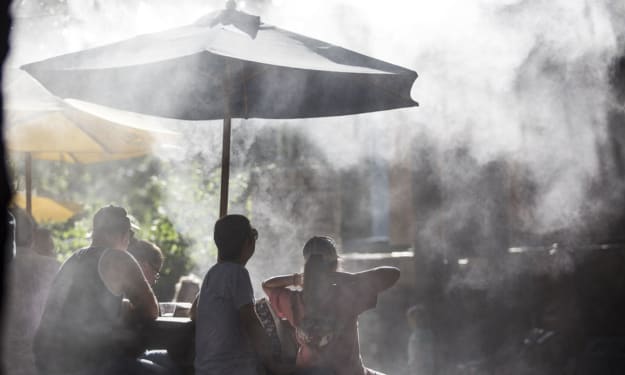
### Enduring the Heat: Houston's Summer Struggle In the heart of Houston, the summer of 2024 arrived with a vengeance. The city was already bracing for the season's notorious heat, but nothing could have prepared its residents for the intensity that came with it this year. The relentless sun seemed to hang perpetually at its zenith, casting an oppressive heat that gripped the city in a relentless embrace. Maria Hernandez felt the weight of the heat every morning as she stepped out of her modest home in the East End. A single mother of two, Maria worked two jobs to make ends meet—one as a cashier at a local grocery store and the other as a cleaner at a downtown office building. Each day began with the same ritual: checking on her children, ensuring they were hydrated and ready for the day ahead, before embarking on her exhausting commute. The air was thick with humidity, making it hard to breathe. Maria could feel the heat rising from the pavement through the soles of her worn-out shoes as she walked to the bus stop. The bus ride was no better; the old vehicle’s air conditioning struggled to combat the searing temperatures, leaving passengers drenched in sweat and silently yearning for relief. At the grocery store, the air conditioning was a saving grace, though it barely kept the stifling heat at bay. Maria's colleagues were all in the same boat—exhausted, drained, and constantly seeking moments of respite in the walk-in freezers. Customers, too, were visibly affected, their tempers flaring over minor inconveniences as the oppressive heat took its toll on everyone's patience. After her shift ended, Maria had a brief window of time to check on her children before heading to her second job. The kids, Jorge and Elena, were resilient but clearly struggling. The family’s small window unit air conditioner was a lifeline, but it couldn't cool their tiny apartment sufficiently. They spent much of the day in the shaded courtyard of their apartment complex, where a makeshift sprinkler provided a bit of relief. The journey downtown was a daily ordeal. Houston’s public transportation system was stretched to its limits, and the heat exacerbated the usual delays and breakdowns. Maria often found herself standing in sweltering bus shelters, the shade offering little comfort against the relentless sun. When she finally arrived at the office building, the air conditioning inside was a stark contrast to the scorching streets outside, and Maria cherished those hours of relative cool. Yet, even in this challenging environment, Maria and her children found moments of joy and community. Their neighbors, also grappling with the heat, came together to share resources and support one another. Community centers opened their doors as cooling shelters, offering water and a respite from the heat. Maria would often take her children there after work, where they met other families and found solace in the shared struggle. Despite the hardship, the summer brought out the best in Houston’s residents. Volunteers distributed bottled water to the homeless and checked on the elderly who were particularly vulnerable to the extreme temperatures. Local businesses set up misting stations and offered free water to passersby. The city’s resilience and sense of community shone through the haze of heat and humidity. One evening, as Maria sat with her children in the cooling center, she reflected on their summer struggle. Jorge and Elena were playing with new friends, their laughter a comforting sound amidst the hum of the air conditioning. Maria knew that while the heat was an overwhelming force, it was their community’s strength and solidarity that would carry them through. She thought about her neighbors—Ms. Johnson, who always had a kind word and a glass of lemonade ready; Mr. Lee, who rigged up a makeshift shade structure in the courtyard for the children to play under; and all the volunteers who tirelessly worked to ensure everyone had what they needed. These small acts of kindness were lifelines in the scorching summer, weaving a tapestry of resilience and hope. As the sun set on another blistering day, Maria felt a sense of gratitude. The heat was unyielding, but so was the spirit of Houston. Together, they would endure, adapt, and find ways to thrive. The struggle against the summer’s oppressive heat was not just about survival—it was a testament to the strength of their community and the bonds that held them together. In the face of such extreme weather, Maria realized that it was the people who made Houston home. Their collective efforts, their unwavering support for one another, and their shared experiences of hardship and joy were what truly defined the city. And as long as they had each other, no amount of heat could break their spirit.
By Drake molb2 years ago in Earth